How To Remove Mold From Patio Furniture?
To remove mold from patio furniture, gently scrub affected areas with a diluted solution of bleach or vinegar and water, then rinse thoroughly and allow to air dry completely.
Always test your chosen cleaning solution on an inconspicuous spot first to ensure it won’t damage or discolor your furniture material.
Before diving into the detailed cleaning process, here’s a quick overview of how to tackle that pesky mold on your outdoor pieces:
- Safety First: Wear gloves, eye protection, and a mask to protect yourself.
- Pre-Clean: Brush off loose mold with a dry brush.
- Choose Your Weapon: Pick a cleaning solution – bleach, vinegar, or dish soap.
- Scrub Gently: Apply the solution and scrub with a soft brush or sponge.
- Rinse Well: Wash away all cleaning residue.
- Dry Thoroughly: Let furniture air dry in the sun to discourage new growth.
How To Remove Mold From Patio Furniture?
Removing mold from patio furniture involves a few straightforward steps, ensuring your outdoor pieces look fresh and are safe to use again.
The key is to use the right cleaning agents for your specific furniture material and always prioritize safety.
Why Does Mold Appear on Your Patio Furniture?
Ever wonder why mold seems to love your patio furniture so much? It is not personal!
Mold thrives in specific conditions: moisture, warmth, and organic material to feed on. Our outdoor settings often provide all three.
When humidity is high, or after rain, furniture stays damp. Add some dirt, pollen, or dead leaves, and you have a perfect mold party. Many experts say that preventing these conditions is half the battle (CDC).
Understanding Mold: What Are You Up Against?
Mold is a type of fungus that spreads through airborne spores. It can appear as black, green, white, or even orange spots.
Beyond being unsightly, some molds can trigger allergies or respiratory issues in sensitive individuals. Taking action quickly keeps your outdoor space healthy.
Gathering Your Cleaning Arsenal
Before you start scrubbing, let’s get organized. Having the right tools makes the job much easier and safer for you and your furniture.
You probably have most of these items lying around your home already. Consider it a quick scavenger hunt!
Essential Tools You’ll Need
- Bucket or spray bottle
- Soft-bristle brush or sponge
- Microfiber cloths or old towels
- Garden hose with good water pressure
- Protective gear: gloves, eye protection, face mask
Your Cleaning Solution Options
Choosing the right cleaner depends on your furniture type and the mold’s severity. We found several effective options for tackling outdoor mold.
Each has its strengths and works well when used correctly. Remember to always dilute solutions properly.
| Cleaning Agent | What It’s Good For | Dilution Ratio (Agent:Water) |
|---|---|---|
| Bleach | Tough mold on non-porous surfaces (plastic, metal) | 1:10 (e.g., 1 cup bleach to 1 gallon water) |
| White Vinegar | Mild to moderate mold on most surfaces (fabric, wood, plastic) | 1:1 (e.g., 1 cup vinegar to 1 cup water) |
| Dish Soap | Light mold, general cleaning, pre-treatment | A few squirts in a bucket of water |
| Baking Soda | Gentle abrasive for scrubbing tougher spots | Mix with water to form a paste |
Safety First! Protecting Yourself from Mold
This isn’t just about clean furniture; it’s about keeping yourself safe. Mold spores can irritate your lungs and skin.
Many guidelines point to wearing personal protective equipment as a good first step (Mayo Clinic). Always work in a well-ventilated area, preferably outdoors.
Your Protective Gear Checklist
- Rubber gloves to protect your hands.
- Eye protection (safety glasses or goggles).
- A face mask or respirator to avoid inhaling spores.
- Old clothes that you don’t mind getting stained.
Step-by-Step Guide to Mold Removal
Ready to get started? This process works for most types of patio furniture. Just remember to adapt it slightly based on your material.
You will be amazed at how quickly your furniture can transform from dingy to delightful.
1. Prepare the Area and Furniture
Move your furniture to an open, sunny spot. Brush off any loose dirt, leaves, or mold with a dry soft-bristle brush.
This prevents spreading spores or creating muddy messes when you add liquid.
2. Apply Your Chosen Cleaning Solution
If using bleach or vinegar, mix it with water in your bucket or spray bottle according to the ratios above.
Apply the solution generously to the moldy areas. For fabrics, you might want to soak them for a bit.
3. Let it Sit and Do Its Job
Allow the solution to sit for 10-15 minutes. This gives the active ingredients time to break down the mold.
For tougher stains, you might extend this time slightly, but don’t let it dry on the furniture.
4. Scrub Away the Mold
Using your soft-bristle brush or sponge, gently scrub the moldy surfaces. For stubborn spots, a slightly firmer brush might be needed, but be careful not to damage the material.
Watch as the mold lifts away, revealing your furniture’s original beauty.
5. Rinse Thoroughly
This step is crucial! Use your garden hose to rinse all the cleaning solution and mold residue from the furniture.
Make sure no suds or cleaner remain, as they can attract new dirt or leave marks. Rinse until the water runs clear.
6. Dry Completely
Let your furniture air dry in a sunny spot. Sunlight helps kill any remaining mold spores and ensures no moisture is left behind.
Ensure every nook and cranny is dry before returning items to their usual place or covering them.
Specific Material Care: What to Know
Different materials need slightly different approaches. What works for plastic might be too harsh for delicate wicker.
Let’s look at how to tailor your mold removal strategy for common patio furniture types.
Plastic and Resin Furniture
These are often the easiest to clean. A bleach solution is very effective here because they are non-porous.
Just scrub, rinse, and you are done! No special care is usually needed beyond thorough drying.
Wicker and Rattan
Wicker is a bit more delicate. Avoid harsh scrubbing that could splinter the material. A vinegar solution works wonderfully here.
Use a soft brush to get into the weaves, and rinse carefully to avoid saturating the interior too much. Research often connects gentler methods with wicker longevity (National Park Service).
Metal Furniture (Aluminum, Wrought Iron)
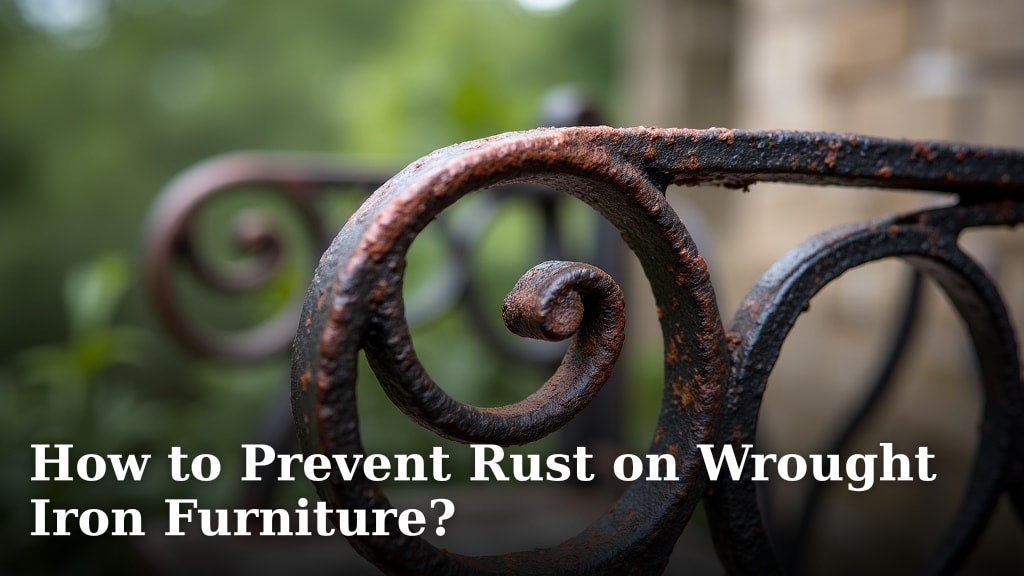
Metal can handle stronger cleaning. Both bleach and vinegar solutions work well. Be mindful of rust on wrought iron.
Ensure you dry metal furniture thoroughly to prevent new rust, especially in hidden crevices.
Fabric Cushions and Umbrellas
For fabrics, a vinegar solution or even a gentle dish soap mixture is best. Always check the care tag!
Spot-clean or soak entire covers if removable. Rinse well and allow to dry completely in the sun.
Preventing Future Mold Growth
An ounce of prevention is worth a pound of cure, right? Keeping mold away in the first place saves you lots of effort.
A few simple habits can make a big difference in maintaining your pristine outdoor space.
Your Mold Prevention Checklist
- Wipe down regularly: A quick wipe with soapy water keeps surfaces clean.
- Ensure proper drying: Never store or cover damp furniture.
- Use protective covers: Breathable covers keep moisture out.
- Improve air circulation: Avoid placing furniture in consistently damp, shaded spots.
- Store properly: During off-seasons, store cushions indoors in a dry area.
Conclusion
Removing mold from your patio furniture does not have to be a daunting chore. With the right tools, solutions, and a bit of elbow grease, you can restore your outdoor pieces to their former glory.
Remember to prioritize safety, choose the correct cleaning agent for your material, and always dry everything thoroughly. A little preventative care will keep your patio looking inviting all season long.
Can I use a pressure washer to remove mold from patio furniture?
You can use a pressure washer on some sturdy materials like plastic or metal, but use a low-pressure setting and keep a safe distance. High pressure can damage softer materials like wood, wicker, or fabric.
How do I remove mold from outdoor fabric cushions without bleach?
For outdoor fabric cushions, a white vinegar solution (equal parts vinegar and water) is a great bleach alternative. You can also use a mixture of dish soap and water. Scrub gently, rinse thoroughly, and let them air dry in the sun.
Is mold on patio furniture dangerous?
While mold on patio furniture might not always be severely dangerous, it can cause allergic reactions, asthma flare-ups, or skin irritation in sensitive individuals. It’s always best to remove it promptly to maintain a healthy outdoor environment.
How often should I clean my patio furniture to prevent mold?
Cleaning your patio furniture seasonally (at least twice a year, spring and fall) is a good starting point. However, if you live in a particularly humid climate or your furniture is often exposed to rain, more frequent light cleaning or wiping down might be beneficial.
Can I use commercial mold removers for patio furniture?
Yes, many commercial mold and mildew removers are safe for patio furniture. Always check the product label to ensure it is compatible with your furniture material and follow the manufacturer’s instructions for dilution and application carefully.