How to Prevent Rust on Wrought Iron Furniture?
On this page (7 sections)
Preventing rust on your wrought iron furniture is easier than you think! The best way to keep your beautiful pieces looking great is through regular cleaning and applying a protective sealant or paint. This two-step approach creates a barrier against moisture, the main culprit behind rust formation. With a little consistent care, you can enjoy your wrought iron for years without unsightly rust spots.
Wrought iron’s charm comes from its classic, elegant look. However, it’s also susceptible to the elements. Moisture from rain or even high humidity can lead to rust if the protective coating isn’t maintained. That’s why a strong defense is so important. We found that combining a thorough cleaning with a quality sealant offers the best defense against rust.
- Clean regularly to remove dirt and debris.
- Apply a rust-inhibiting primer and paint.
- Seal the metal with a protective coating.
- Store furniture indoors during harsh weather if possible.
- Touch up any scratches promptly.
Let’s walk through exactly how to get your wrought iron furniture rust-free and keep it that way, step by step.
Keeping Your Wrought Iron Furniture Rust-Free: A Practical Guide
Wrought iron furniture adds timeless elegance to any outdoor space. But without the right care, that elegance can quickly be marred by rust. Rust isn’t just unsightly; it can weaken the metal over time. Fortunately, preventing it is quite manageable. The key is a two-pronged approach: regular cleaning and consistent protection. This guide will walk you through the steps to keep your wrought iron looking its best for many years.
Understanding Wrought Iron and Rust
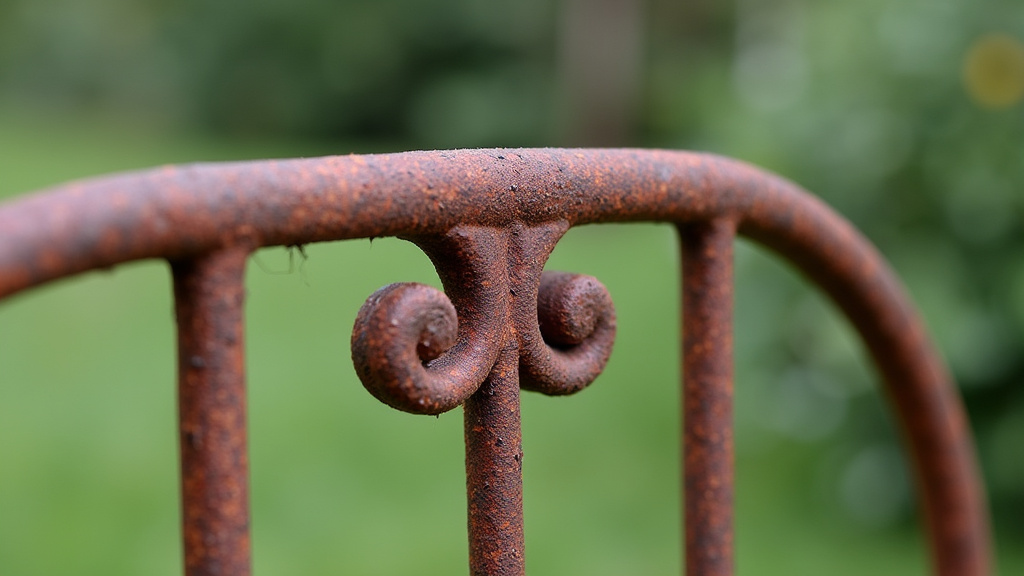
Wrought iron is a relatively pure form of iron. It’s shaped by hand, giving it a distinct, often ornate appearance. Unlike cast iron, it’s more malleable. This softness makes it beautiful but also more susceptible to the elements. Rust forms when iron reacts with oxygen and moisture. Think of it like iron’s way of getting a sunburn, but much more damaging. This reaction creates iron oxide, which we see as that familiar reddish-brown, flaky stuff.
The Elements Are Wrought Iron’s Nemesis
Rain, dew, humidity, and even salty air near the coast can all contribute to rust formation. When water sits on the iron’s surface, especially in nooks and crannies, it starts the chemical process. Even if your furniture is painted or sealed, tiny imperfections can allow moisture to seep in. That’s why a good protective layer is so important.
Why Prevention Beats Cure
Once rust takes hold, it can be tricky to remove completely. It often burrows into the metal. Trying to scrub it all away can sometimes damage the underlying metal or its protective coating. So, the best strategy is to stop rust before it starts. It’s like preventative medicine for your patio set. A little effort now saves a lot of hassle later.
Your Wrought Iron’s Best Defense: Cleaning and Sealing
The most effective way to prevent rust is to keep your wrought iron furniture clean and well-sealed. This involves two main phases: initial preparation and ongoing maintenance. We found that a thorough cleaning followed by a quality sealant offers the strongest protection.
Step 1: The Deep Clean – Preparing for Protection
Before you can protect your furniture, you need to start with a clean slate. Dirt, grime, and old, peeling paint can trap moisture. They also prevent new protective coatings from adhering properly. So, a good wash is your first order of business. This doesn’t have to be complicated.
Gathering Your Cleaning Supplies
You probably have most of what you need already. You’ll want:
- A bucket
- Mild soap or detergent (like dish soap)
- Soft cloths or sponges
- A soft-bristled brush (an old toothbrush works for tight spots)
- A garden hose or access to water
- Clean, dry towels or rags
The Cleaning Process
Start by rinsing the furniture with your hose. This knocks off loose dirt. Next, mix your mild soap with water in the bucket. Dip your cloth or sponge into the soapy water and begin gently scrubbing the furniture. Pay attention to any crevices where dirt likes to hide. For stubborn spots, use your soft-bristled brush. Rinse thoroughly with the hose to remove all soap residue. Finally, and this is critical, dry the furniture completely with towels or rags. Letting it air dry can leave moisture behind, so toweling it dry is a must.
Step 2: Sealing the Deal – Adding a Protective Barrier
Once your wrought iron is sparkling clean and bone dry, it’s time to add a protective layer. This barrier is what shields your furniture from water and air. There are a few options, and the best choice depends on the current condition of your furniture and your desired finish.
Option A: Rust-Inhibiting Primer and Paint
If your furniture is bare or has old, chipped paint, this is the go-to method. Many experts recommend using a rust-inhibiting primer specifically designed for metal. This primer contains chemicals that actively prevent rust from forming. After the primer dries, apply a quality exterior paint. Look for paints labeled for metal or outdoor use. Several coats are usually best.
Option B: Clear Protective Sealant or Varnish
If your wrought iron is in good condition and you like its current look, a clear sealant can be a great choice. These products create a transparent barrier over the metal. They seal out moisture without changing the appearance. Ensure the sealant is specifically made for metal and outdoor use. Many outdoor varnishes or lacquers will work well.
Option C: Specialty Wrought Iron Paints
Some manufacturers offer paints that combine a primer and topcoat in one. These are often formulated with rust inhibitors and are designed for wrought iron. They can be a convenient option for a quick refresh. Always check the product label to ensure it offers rust protection.
Applying Your Chosen Protection
Regardless of the product you choose, application is key. Always follow the manufacturer’s instructions on the product label. Generally, you’ll want to apply your chosen coating in thin, even layers. This ensures better adhesion and coverage. Avoid applying in direct, hot sun, as this can cause the paint or sealant to dry too quickly and unevenly. Allow each coat to dry completely before applying the next. Proper application is essential for long-lasting protection.
Ongoing Maintenance: Your Rust-Free Promise
Your work isn’t quite done after the initial cleaning and sealing. Regular upkeep is your best friend in the ongoing battle against rust. Think of it like brushing your teeth – a little bit every day keeps the dentist away!
Regular Cleaning for Ongoing Defense
Set a schedule for light cleaning. A quick wipe-down every few weeks can make a big difference. Use a damp cloth to remove dust and pollen. This prevents dirt buildup, which can trap moisture. A quick rinse and dry after a messy cookout is also a good idea.
The Importance of Touch-Ups
Over time, even the best paint or sealant can get scratched or chipped. These small damages are prime entry points for rust. Inspect your furniture regularly for any signs of wear. If you find a scratch or chip, clean the area thoroughly and apply a touch-up coat of your primer and paint or sealant. This small act of maintenance can prevent a big rust problem down the line.
Storing Your Furniture During Harsh Weather
If you live in an area with extreme weather – heavy rain, snow, or intense humidity – consider storing your wrought iron furniture indoors during the off-season. A shed, garage, or covered porch can provide significant protection. This reduces its exposure to moisture and extreme temperature fluctuations. Many experts agree that Consider storing your wrought iron furniture indoors during harsh weather for added protection.reducing exposure to the elements is a highly effective preventative measure.
Dealing with Existing Rust Spots Promptly
What if you find a small rust spot? Don’t panic! You can often deal with it before it spreads. Gently sand the rusted area with fine-grit sandpaper until you see clean metal. Wipe away the dust. Then, apply a rust-inhibiting primer followed by a matching paint or sealant. This spot treatment can save your entire piece.
Checklist: Your Wrought Iron Rust Prevention Plan
Here’s a quick rundown to help you remember the key steps:
- Clean furniture thoroughly with soap and water.
- Dry completely before applying any coatings.
- Apply a rust-inhibiting primer and exterior paint.
- Or apply a clear metal sealant for a natural look.
- Inspect regularly for scratches or chips.
- Touch up any damage immediately.
- Consider indoor storage during harsh weather.
Conclusion
You’ve learned that keeping your wrought iron furniture beautiful and rust-free is totally achievable. It all comes down to a consistent routine of cleaning and protecting. Remember, a clean surface and a solid barrier against moisture are your best defenses. Don’t let rust ruin your investment. Start today by giving your furniture a good wash and applying a fresh coat of protection. Your patio set will thank you for it with years of classic charm.
Frequently Asked Questions
How often should I clean my wrought iron furniture?
We recommend a light cleaning every few weeks to remove dust and pollen. A more thorough wash should be done at least once or twice a year, or after messy outdoor events. This consistent care prevents dirt buildup that can trap moisture.
Can I use a regular outdoor paint on wrought iron?
While some regular outdoor paints might offer some protection, it’s best to use paints specifically designed for metal or those labeled as rust-inhibiting. These contain special additives that offer superior defense against corrosion.
What’s the best way to deal with small rust spots?
For small rust spots, gently sand the area down to bare metal. Clean the dust thoroughly, then apply a rust-inhibiting primer followed by a matching paint or sealant. Promptly treating small spots prevents them from spreading.
Is it really necessary to dry the furniture completely after washing?
Yes, absolutely! Leaving moisture behind after cleaning is one of the quickest ways to invite rust. Make sure to towel dry your wrought iron furniture thoroughly, paying attention to any nooks and crannies.
Can I leave my wrought iron furniture outside all year round?
You can, but it’s not ideal if you live in an area with harsh weather. Reducing exposure to heavy rain, snow, and extreme humidity by storing furniture indoors during the off-season offers the best protection against rust.