How to Clean Wicker Patio Furniture?
On this page (8 sections)
The easiest way to clean wicker patio furniture is by using a mix of mild soap and warm water, applied with a soft brush or cloth. For details, see our guide to Clean Plastic Wicker Patio Furniture. This method helps remove dirt and grime without damaging your beautiful wicker pieces. Regular cleaning keeps your furniture looking its best all season.
You want your outdoor living space to always look inviting, right? We found that proper care helps wicker last for years. Dusting often and washing carefully prevents dirt buildup, making your patio furniture more durable. It also keeps your relaxing spot hygienic and pleasant.
- Gather your cleaning supplies.
- Brush off loose dirt and debris.
- Prepare a gentle cleaning solution.
- Wipe or scrub the wicker gently.
- Rinse thoroughly and pat dry.
Ready to make your wicker furniture sparkle like new? Let’s walk through exactly how to clean wicker patio furniture step by step to keep it beautiful.
Cleaning Your Wicker Patio Furniture
Cleaning your wicker furniture is simpler than you might think. A little effort goes a long way to keep it looking fantastic and lasting for years.
Gathering Your Wicker Cleaning Supplies
Before you start, it’s helpful to have everything ready. Think of it like preparing for a fun project, not a chore! Having the right tools makes the job much smoother and faster.
- Two buckets (one for soapy water, one for rinsing)
- Mild dish soap or a specialized outdoor furniture cleaner
- Soft-bristle brush (like a car washing brush or an old toothbrush for tight spots)
- Soft cloths or sponges
- Garden hose with a spray nozzle (gentle setting only!)
- Old towels for drying
- Optional: Vacuum cleaner with a brush attachment
We found that using a mild, pH-neutral soap is key. Harsh chemicals can damage the wicker fibers, whether it’s natural or synthetic. You wouldn’t use harsh chemicals on your skin, right? The same goes for your furniture!
Pre-Cleaning Steps for Wicker Furniture
Think of this as brushing off the big stuff before you wash. It’s like sweeping the floor before you mop. This step prevents you from just turning dirt into muddy streaks.
Removing Loose Debris
Start by giving your wicker furniture a good once-over. Use a stiff-bristle brush or even your hand to sweep away loose leaves, dust, and pollen. Pay close attention to textured areas where debris loves to hide. If you have noticed spiders in the weave, see whether wicker attracts spiders. We often find little bits of nature tucked into the weaves!
Vacuuming Tight Spaces
For those really stubborn bits of dirt lodged deep within the wicker weave, a vacuum cleaner can be your best friend. Attach a brush or crevice tool. Gently vacuum along the woven patterns. This is especially good for synthetic wicker which can sometimes hold onto dust more (Good Housekeeping).
The Gentle Washing Process
Now comes the actual cleaning! Remember, gentle is the key word here. We’re aiming to lift dirt, not strip the finish or fray the fibers.
Preparing Your Cleaning Solution
Fill one bucket with warm water and add a few drops of mild dish soap. You want it to be sudsy, but not overly bubbly. A good rule of thumb is about a teaspoon of soap per gallon of water. You could also use an outdoor furniture cleaner diluted according to its instructions. We found that less is often more when it comes to cleaning solutions.
Washing the Wicker Furniture
Dip your soft-bristle brush or sponge into the soapy water. Gently scrub the wicker, working in sections. Don’t press too hard – let the soap do the work! For natural wicker, avoid saturating it too much. You just want enough moisture to lift the dirt.
Targeting Stubborn Stains
Got a stubborn spot? Maybe a bird left a little “message” or someone spilled a drink. Dip an old toothbrush into your soapy solution. Gently work it into the stain using small, circular motions. For really tough spots, we’ve found a paste made of baking soda and a little water can be effective, gently applied (Real Simple).
Rinsing and Drying for a Perfect Finish
This part is crucial for preventing water spots and mildew. Almost done! You’re practically a wicker cleaning pro now.
Rinsing Off the Soap
Once you’ve scrubbed all the surfaces, it’s time to rinse. Fill your second bucket with clean water, or use a garden hose on its lowest, gentlest setting. Rinse thoroughly, making sure all soap residue is gone. Soap left on the furniture can attract more dirt later, creating a sticky film. For natural wicker, avoid high-pressure washing as it can cause damage.
Drying Your Wicker Furniture
After rinsing, use old towels to wipe down the furniture. Try to get as much standing water off as possible. Then, let the furniture air dry completely, ideally in a sunny spot. This is super important to prevent mold and mildew, especially with natural wicker. If you can, tilt pieces to help water drain from crevices.
Maintenance Tips for Long-Lasting Wicker
Cleaning is great, but regular maintenance keeps your wicker sparkling between deep cleans. It’s like regular tune-ups for your car!
| Maintenance Task | Frequency | Why It Matters |
|---|---|---|
| Dusting | Weekly/Bi-weekly | Prevents dirt buildup, keeps it fresh. |
| Spot Cleaning | As needed | Addresses spills immediately before they set. |
| Deep Cleaning | Seasonally (2-4 times a year) | Removes accumulated grime, prolongs life. |
| Covering | When not in use/bad weather | Protects from elements, reduces cleaning needs. |
Protecting Wicker from the Elements
Whether your wicker is natural or synthetic, protecting it from harsh weather is a smart move. For ongoing upkeep, see our guide to maintaining wicker furniture. UV rays can fade colors, and rain can encourage mold, especially on natural fibers. Consider using furniture covers during inclement weather or when your patio isn’t in use. Some experts recommend bringing natural wicker indoors during winter (The Old Farmer’s Almanac).
Regular Dusting and Spot Cleaning
Don’t wait for a major cleaning session. A quick dust with a soft cloth or a brush every week or two can make a big difference. If you spill something, tackle it right away! A damp cloth with a tiny bit of soap can work wonders before the stain sets. Think of it as a little “nip and tuck” to keep things looking good.
What About Different Types of Wicker?
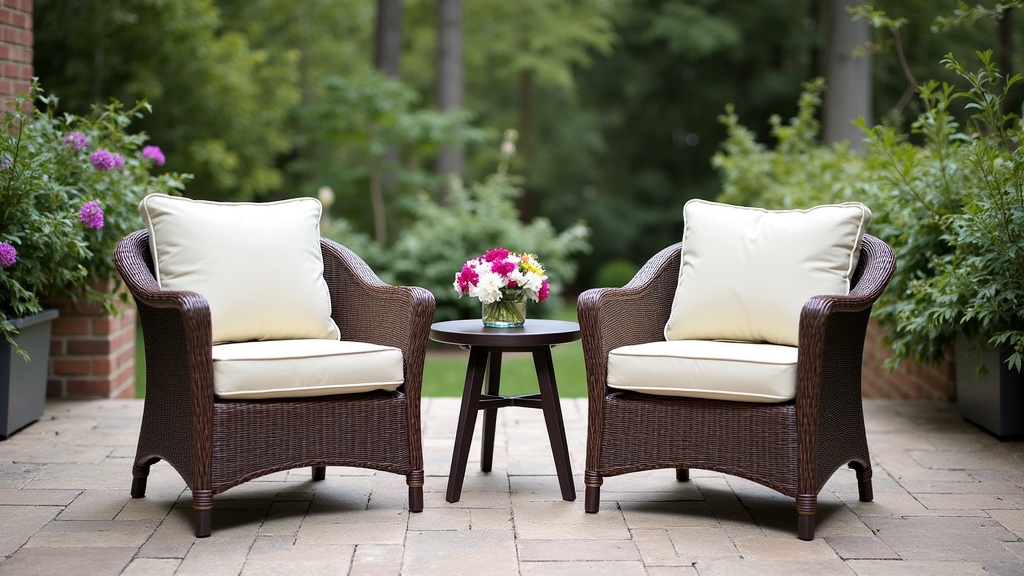
You might be wondering, “Does it matter if my wicker is real or synthetic?” Good question! The general cleaning steps are similar, but there are a few nuances.
Cleaning Natural Wicker
Natural wicker, often made from rattan, bamboo, or willow, is beautiful but more delicate. The key here is to avoid over-saturating it with water. Too much moisture can cause it to swell, warp, or even grow mildew. Dry it thoroughly and quickly. We recommend using a damp cloth rather than drenching it with a hose.
Cleaning Synthetic Wicker (Resin Wicker)
Synthetic wicker, or resin wicker, is much more durable and generally easier to clean. It’s often made from PVC or polyethylene. It can handle more water and is less prone to mold or fading. You can be a bit more generous with your garden hose here, but still avoid high pressure that could damage the weave. We found that regular washing with soap and water works perfectly (Outdoor Living Today).
A Quick Wicker Cleaning Checklist
You’re almost an expert now! Here’s a quick reminder of the key steps to keep your wicker furniture sparkling.
- Remove all cushions and loose debris.
- Vacuum tight spots to get rid of embedded dirt.
- Mix a mild soap solution in warm water.
- Gently scrub surfaces with a soft brush or cloth.
- Rinse thoroughly to remove all soap residue.
- Dry completely to prevent mold and mildew.
You’ve got this! Your wicker furniture will be looking fresh and inviting in no time. Enjoy your beautifully clean outdoor space!
Conclusion
You’ve seen how simple it is to keep your wicker patio furniture looking great. By following a few straightforward steps—gathering supplies, pre-cleaning diligently, washing gently, and rinsing thoroughly—you can ensure your outdoor pieces remain beautiful. Remember, a little regular effort goes a long way in making your furniture last longer and stay inviting. Now, go ahead and give your wicker the fresh look it deserves!
Frequently Asked Questions
How often should I clean my wicker patio furniture?
We recommend a deep clean seasonally, about 2-4 times a year, especially before and after peak outdoor use. Frequent dusting and spot cleaning as needed will help maintain its appearance between these deeper washes.
Can I use a pressure washer on wicker furniture?
No, we advise against using a pressure washer. Even on a low setting, it can damage the delicate weave of natural wicker. For synthetic wicker, it’s safer, but strong pressure might still fray or loosen the material over time. A garden hose with a gentle nozzle is sufficient.
What should I do if my natural wicker gets too wet?
If your natural wicker becomes overly wet, dry it thoroughly and quickly. Use towels to absorb as much moisture as possible, then place it in a sunny, well-ventilated area to air dry completely. Tipping the furniture can help water drain from crevices. This prevents warping and mildew.
How can I prevent mold and mildew on my wicker?
To prevent mold and mildew, always ensure your wicker furniture dries completely after cleaning or rain. Store it under a cover during bad weather or when not in use. For natural wicker, bring it indoors during very damp or cold months. Regular dusting also helps remove mildew spores.
Are there any specific cleaners I should avoid for wicker?
Absolutely. Avoid harsh chemical cleaners, abrasive scrubbers, or bleach. These can damage the fibers, fade colors, and even weaken the structure of both natural and synthetic wicker. Stick to mild dish soap or cleaners specifically designed for outdoor furniture.