How to Clean a Patio Conversation Set?
On this page (8 sections)
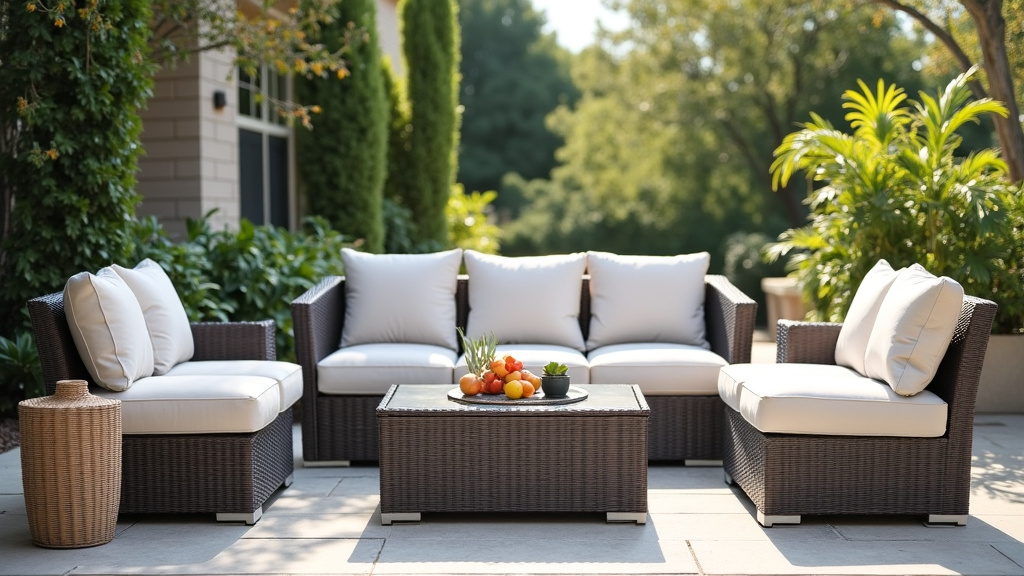
The easiest way to clean a patio conversation set is by first brushing away loose debris, then washing frames and cushions with a gentle soap-and-water solution, and finally rinsing thoroughly. For a similar routine for bar-height furniture, see our guide to cleaning a patio bar set.
You can bring your outdoor furniture back to life with a little effort. Proper cleaning helps preserve both the look and lifespan of your set. If you are weighing the investment, see whether a patio conversation set is worth it. We found that a simple cleaning routine keeps your patio looking fresh and inviting.
- Remove loose dirt and dust first.
- Use mild cleaners for frames and fabric.
- Rinse everything well to prevent soap residue.
- Let cushions air dry completely before storing.
- Regular cleaning prevents stubborn stains.
Ready to get your patio sparkling again? Let’s walk through exactly how to clean your patio conversation set, step by step.
Getting Your Patio Furniture Spotless
Cleaning your patio conversation set is simpler than you might think. A few basic tools and some elbow grease will make a huge difference.
Gather Your Cleaning Arsenal
Before you begin, gathering your supplies makes the job much smoother. You don’t need anything fancy, just some household staples.
Essential Cleaning Tools
Think of this as your outdoor cleaning toolkit. Having everything ready saves you time and trips indoors.
- A soft-bristle brush or old toothbrush for scrubbing.
- Several clean, soft cloths or sponges.
- A bucket or two for mixing solutions.
- A garden hose with a spray nozzle.
- A vacuum cleaner with a brush attachment (for cushions).
- Safety gloves, especially if you have sensitive skin.
Gentle Cleaning Solutions
Avoid harsh chemicals. Gentle solutions are often more effective and safer for your furniture and the environment.
- Mild dish soap or laundry detergent.
- White vinegar (for tougher spots or mildew).
- Rubbing alcohol (for ink or sap stains).
- Baking soda (for odors or light scrubbing paste).
Prepping Your Patio Set for a Deep Clean
Think of this as the warm-up act. Prepping your set correctly makes the actual cleaning much more effective.
Clear the Decks: Remove Cushions and Debris
First things first: get everything off the furniture. This gives you a clear path to clean each component thoroughly.
- Remove all cushions and decorative pillows.
- Brush off loose dirt, leaves, and cobwebs from frames and cushions. A handheld brush works great here.
- Vacuum cushions, especially in crevices, to pick up crumbs and dust. This prevents muddy streaks later.
Test Your Cleaning Solutions
Always test your cleaners on a small, hidden area first. This prevents accidental discoloration or damage to your furniture surfaces.
Apply a tiny amount of your chosen solution. Let it sit for a few minutes. Rinse it off and check for any adverse reactions before proceeding.
Cleaning Patio Furniture Frames by Material
Different frame materials need different care. Treating each material appropriately ensures a longer life for your furniture.
Wicker and Rattan (Synthetic and Natural)
These materials are popular for good reason, but they have nooks and crannies that collect dirt.
Use a mild soap and water solution (about ¼ cup dish soap per gallon of warm water). Dip your soft brush or sponge into the solution. Gently scrub the wicker, paying attention to the woven areas. Rinse thoroughly with your garden hose until no suds remain. Allow to air dry completely. For natural wicker, avoid saturating it too much, as excess water can cause damage over time.
Aluminum and Steel
Metal frames are often very durable, but they can still get streaky or show water spots.
Wipe down aluminum and steel frames with the same mild soap and water solution. For stubborn dirt or rust spots on steel, a slightly abrasive sponge (like a non-scratch scrub pad) might help. Always rinse thoroughly to prevent soap residue. We found that a quick wipe-down with a dry cloth after rinsing helps prevent water spots, especially on darker frames.
Wood (Teak, Eucalyptus, etc.)
Wood furniture brings warmth to your patio, but it needs specific care to stay beautiful.
For wood, a solution of mild soap and water works for general cleaning. For mildew or graying, a specific wood cleaner or a solution of water and white vinegar (1:1 ratio) can be effective. Scrub gently along the grain with a soft brush. Rinse well. Many experts say to let wood air dry completely, then consider re-oiling or sealing annually to protect it (Teak Care Guide).
Plastic and Resin
These are often the easiest to clean. A simple wipe-down goes a long way.
Use your mild soap and water solution. For tougher stains on plastic or resin, try a paste made from baking soda and water. Apply it, let it sit for a few minutes, then scrub and rinse. These materials are generally very resilient.
Caring for Your Patio Cushions and Fabrics
Cushions are often the most personal part of your set. Keeping them clean makes them inviting.
Spot Cleaning vs. Full Wash
Sometimes, a small spill doesn’t require a whole production. Know when to spot clean versus when to go for a full wash.
For small spills, blot immediately with a clean cloth. For a spot stain, mix a tiny amount of mild soap with water. Apply it to the stain with a sponge, gently dabbing. Rinse by dabbing with a clean, damp cloth. Avoid rubbing, which can spread the stain.
Washing Removable Cushion Covers
If your cushion covers have zippers, you’re in luck! This makes cleaning much easier.
Check the care tag first. Most outdoor cushion covers are machine washable on a gentle cycle with cold water. Use a mild detergent. Air dry them completely. We found that machine drying can cause shrinkage or damage. Never put covers back on wet cushions; this can lead to mildew.
Cleaning Non-Removable Cushions and Fabric Slings
No zippers? No problem. It just means a bit more effort on your part.
Use a soft brush to remove loose dirt. Create a solution of mild soap and water. You can also add 1 cup of white vinegar per gallon of water for extra sanitizing power. Generously spray the cushions with your garden hose to wet them thoroughly. Apply the cleaning solution with a sponge or soft brush, working it into the fabric. Let it sit for a few minutes.
For stubborn mildew spots, a solution of 1 part bleach to 10 parts water can be used sparingly, but rinse immediately and thoroughly (CDC guidelines for mold). Rinse the cushions extensively with your garden hose until all suds are gone. It’s important to get all the soap out. Squeeze out excess water. Prop them up on their sides to allow for maximum air circulation and complete drying.
The All-Important Rinse and Dry
This step is non-negotiable. Rinse well, or you’ll have crunchy, soap-stained furniture.
Rinsing Every Surface
Imagine if you didn’t rinse shampoo out of your hair – sticky, right? The same applies to your patio set.
Use your garden hose to thoroughly rinse all frames and cushions. Ensure no soap residue remains. Soap left on the surface can attract more dirt, create unsightly streaks, and even damage materials over time. Take your time here; a good rinse is crucial.
Drying for Durability
Patience is a virtue, especially when drying outdoor furniture. Proper drying prevents mold and mildew.
Allow all components to air dry completely. For cushions, stand them on their sides to
help water drain. Ensure there’s good airflow. If possible, let them dry in a sunny spot, which helps speed up the process and can kill lingering mildew spores. Don’t put cushions back on frames until they are bone dry. This might take 24-48 hours, depending on humidity.
Ongoing Maintenance for a Sparkling Patio
A little regular care goes a long way. Think of it as preventative medicine for your patio.
Quick Patio Clean-Up Checklist
This short list will help you keep things tidy between deep cleans.
- Brush off debris weekly.
- Wipe up spills immediately.
- Store cushions or cover your set during bad weather.
- Inspect for mold/mildew monthly.
- Tighten any loose bolts on frames occasionally.
When to Cover or Store
Protecting your investment from the elements will significantly extend its life.
During extended periods of rain, strong sun, or freezing temperatures, consider covering your entire conversation set with a breathable furniture cover. Many people choose to store cushions indoors during the off-season. This prevents fading, mildew, and general wear and tear. Your furniture will thank you for it by looking better, longer.
Conclusion
You’ve seen how simple it is to refresh your patio conversation set. By dedicating a little time and using the right methods, you can keep your outdoor space looking its best. Proper cleaning extends the life of your furniture and ensures it’s always ready for relaxation or entertaining. We found that a consistent cleaning routine pays off.
So, gather your supplies and get ready to enjoy a sparkling clean patio. Your outdoor oasis awaits!
Frequently Asked Questions
How often should I deep clean my patio conversation set?
We recommend a deep clean at least once per season, especially before and after peak usage. If your patio is exposed to heavy pollen, dust, or frequent use, you might clean it more often, perhaps monthly.
Can I use a pressure washer on my patio furniture?
You should generally avoid using a pressure washer directly on your patio furniture. The high pressure can damage fabric, loosen weaves, strip paint, or scratch surfaces. A regular garden hose with a spray nozzle provides enough force for most cleaning tasks.
What’s the best way to prevent mold and mildew on cushions?
The best prevention is proper drying and storage. Always ensure cushions are completely dry before storing them or putting covers on. If possible, store cushions indoors during rainy seasons or when not in use for extended periods. Breathable furniture covers can also help.
My patio set has rust spots. How can I remove them?
For minor rust spots on metal frames, you can try scrubbing gently with a paste made from baking soda and water or a specialized rust remover for outdoor furniture. Always test in an inconspicuous area first. For severe rust, you might need to sand, prime, and repaint the affected area.
Is it safe to use bleach on all outdoor fabrics?
No, bleach should be used with extreme caution. While a diluted bleach solution (1 part bleach to 10 parts water) can treat stubborn mildew on some white or light-colored outdoor fabrics, it can damage or discolor others. Always check the fabric’s care instructions and perform a patch test before using bleach.