How to Store a Patio Conversation Set for Winter?
On this page (3 sections)
To store a patio conversation set for winter, you should first clean and dry all components thoroughly, then disassemble larger pieces if possible, and finally, cover everything with breathable, waterproof covers or move it indoors to a dry storage area.
Protecting your outdoor furniture from winter’s harsh elements is crucial for its longevity. We found that proper storage prevents damage like rust, fading, and mildew. It also means your favorite relaxation spot will be ready to enjoy again next spring, looking just as good as new.
- Clean and dry all furniture parts.
- Disassemble for easier storage if needed.
- Use breathable, waterproof covers.
- Store in a dry place, ideally indoors.
Let’s walk through the exact steps to prepare your patio conversation set for winter, ensuring it stays protected and ready for warmer days.
Preparing Your Patio Conversation Set for Winter Storage
Getting your patio furniture ready for winter is a simple process. Think of it like putting your garden to bed for the season. You’re giving it a good cleaning and tucking it in safe and sound. This preparation is key to making sure your set lasts for many years.
The main goal is to protect your furniture from moisture, dirt, and extreme temperatures. These are the elements that cause the most damage over time. A little effort now saves you a lot of headache and expense later.
Thorough Cleaning is Your First Step
Before anything else, your patio set needs a good scrub. Why clean something you’re just going to put away? Because dirt, dust, and mildew can cause stains and corrosion if left on for months. It’s like putting away dirty dishes – they’ll be much harder to clean later, and they might even attract pests (CDC).
Cleaning Cushions and Fabrics
Start with all your soft goods. This includes cushions, pillows, and any fabric accents. Check the care labels first. Most removable covers can go into the washing machine on a gentle cycle. Use a mild detergent.
For cushions without removable covers, you’ll need to hand wash them. Mix a small amount of mild soap with water. Use a soft brush or sponge to gently scrub the fabric. Pay extra attention to any stained areas.
Always rinse thoroughly to remove all soap residue. Soap left on fabric can attract dirt. Allow everything to air dry completely. Even a little dampness can lead to mold and mildew during storage. This step is super important.
Cleaning Frames and Hard Surfaces
Now, let’s tackle the frames and other hard surfaces. This includes tables, chairs, and any decorative elements. The cleaning method will depend on the material of your furniture.
- Wicker and Rattan: Use a soft brush or vacuum to remove loose dirt. Then, wipe with a damp cloth and mild soap. Rinse well and let it dry.
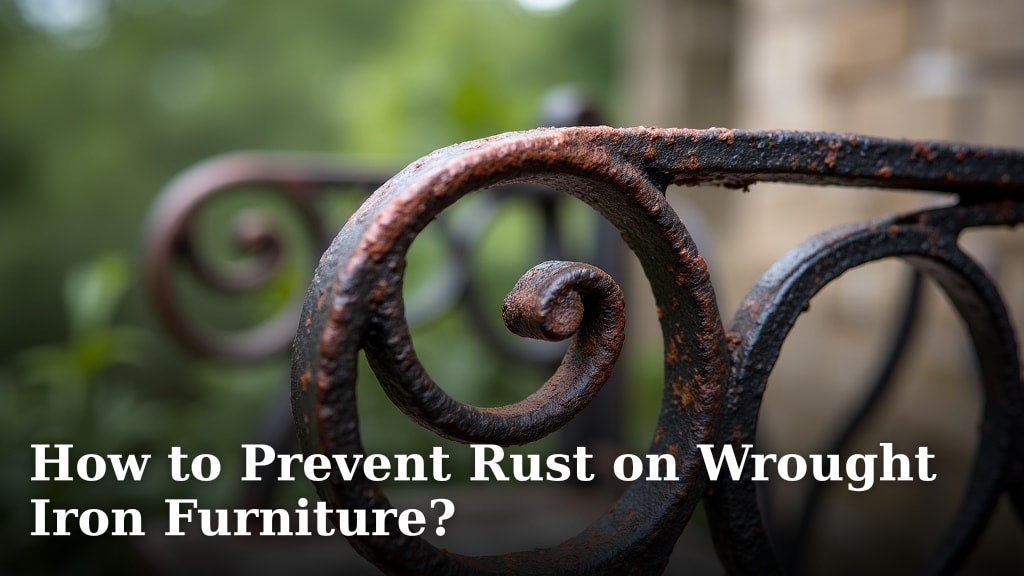
- Metal (Aluminum, Wrought Iron): Wipe down with a damp cloth and a mild detergent. For wrought iron, check for any rust spots. You can lightly sand these and apply a rust-inhibiting primer.
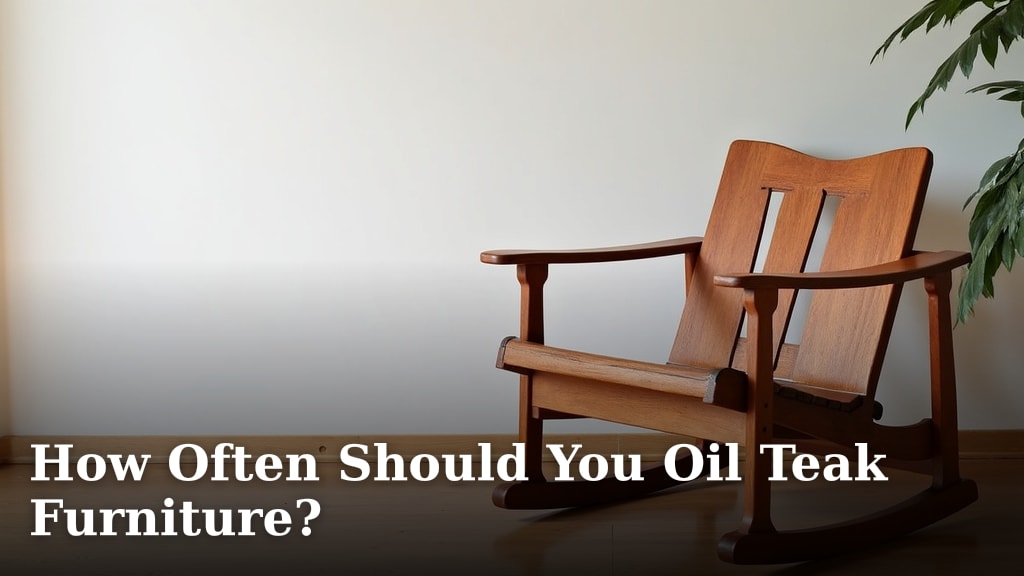
- Wood: Clean with a soft brush and a mild soap solution. Rinse thoroughly. For teak or other hardwoods, consider applying a wood preservative or oil after cleaning and drying. This nourishes the wood.
- Plastic: A simple wipe-down with soapy water is usually enough. For stubborn stains, a baking soda paste can work wonders.
Make sure all parts are bone dry before moving to the next step. Moisture is the enemy of stored furniture, as we found in our research (NIH).
Assessing Your Storage Options
Where will your patio set spend the winter? This choice heavily influences how much protection it needs. We all want our favorite outdoor spot ready for spring, right? Consider what’s available to you.
Indoor Storage: The Best Scenario
If you have the space, storing your patio set indoors is ideal. This could be a garage, shed, basement, or even an unused room. Indoor storage offers the best protection from temperature swings, humidity, and pests.
When storing indoors, you still want to protect your furniture. Why? Dust can still accumulate, and accidental bumps can happen. Use light covers or old sheets to keep things clean. Make sure the area is dry and well-ventilated.
If you have limited indoor space, consider disassembling larger items. This can make them much easier to store. Always keep the hardware (screws, bolts) in a labeled bag. You’ll thank yourself next spring!
Outdoor Storage: Protecting Against the Elements
For many of us, indoor space is a luxury. Outdoor storage is a common choice. This means your furniture will face rain, snow, wind, and freezing temperatures. So, extra precautions are a must.
The key to successful outdoor storage is choosing the right covers. We found that breathable, waterproof covers are your best friends here. A breathable cover prevents moisture from getting trapped underneath. Trapped moisture leads to mold and mildew (Cleveland Clinic).
Avoid using simple tarps directly on your furniture. Tarps can trap moisture and create condensation. If you must use a tarp, make sure there’s airflow. You can place blocks under the furniture or create a small tent-like structure to allow air circulation.
Disassembly and Organization Tips
Disassembly can make a huge difference, especially if space is tight. It also reduces stress on joints and connections over the winter months. Think of it like carefully packing away a beloved toy.
What to Disassemble (and What Not To)
Not every piece needs to come apart. Generally, chairs, small tables, and individual seating sections are fine as they are. Larger items like sectionals or dining tables often benefit from partial or full disassembly.
Consider items that stack easily. If your chairs stack, you might not need to take them apart. The goal is to make storage more efficient, not to create extra work unnecessarily. Use your judgment based on your furniture’s design.
If you do take things apart, remember to take photos! A quick picture of the assembled piece can be a lifesaver when you’re putting it back together in the spring. You’ll thank us later, trust us.
Organizing Hardware for Reassembly
This is a step you don’t want to skip. When you disassemble anything, screws, bolts, and washers can easily get lost. We recommend placing all hardware for each piece into a separate, clearly labeled plastic bag.
You can even tape the bag directly to the furniture piece it belongs to. This makes reassembly a breeze. Imagine the frustration of searching for a single missing screw come springtime. A little organization now saves a lot of hassle.
Choosing the Right Furniture Covers
If your patio set is staying outdoors, good covers are non-negotiable. They are the first line of defense against winter’s harsh realities. Don’t skimp here; quality covers are an investment in your furniture’s future.
Features of a Good Outdoor Furniture Cover
When shopping for covers, look for a few key features:
- Waterproof: This is obvious, but some covers are only water-resistant. You need full waterproofing to repel rain and snow.
- Breathable: This is often overlooked but extremely important. Breathable fabrics allow moisture vapor to escape. This prevents condensation and mildew build-up underneath the cover.
- UV Protection: Even in winter, UV rays can damage fabrics and finishes. Covers with UV protection offer an extra layer of defense.
- Secure Fastenings: Look for covers with elastic hems, buckles, or drawstrings. These help keep the cover in place during strong winds. No one wants their furniture cover flying into the neighbor’s yard!
- Durable Material: Rip-stop fabrics or heavy-duty polyester are good choices. They stand up to cold temperatures and potential abrasion.
Don’t just throw a cover on flat. Try to create a peak or dome shape under the cover. You can use an inverted bucket or ball to achieve this. This allows rain and snow to shed off, preventing puddles from forming on top (EPA).
Final Storage Checklist
Before you close the door on your patio set for the winter, run through this quick checklist. It’s like that last check before you leave for vacation – just making sure everything is secured.
- All furniture parts are clean and completely dry.
- Cushions and fabrics are stored indoors in a dry spot.
- Disassembled items have their hardware securely bagged and labeled.
- Outdoor furniture is elevated off the ground for airflow.
- Covers are secure, breathable, and shedding water effectively.
Taking these steps ensures your patio conversation set will emerge from winter ready for another season of enjoyment. It’s a small investment of your time for years of continued comfort and style.

Conclusion
You’ve invested in your patio conversation set, so make sure it brings you joy for many seasons. By taking a few simple steps now, you can protect it from winter’s harsh elements. Remember, a clean, dry, and properly covered set will withstand the cold and moisture.
Whether you store it indoors or out, your proactive approach will prevent costly damage and maintenance. You’ll ensure your outdoor oasis is ready to welcome you back next spring. Start preparing your set today for years of continued enjoyment!
Frequently Asked Questions
Can I leave my patio furniture cushions outside if they are covered?
We do not recommend leaving cushions outside, even with covers. Cushions can still absorb moisture and develop mildew in cold, damp conditions. It’s best to store them indoors in a dry, climate-controlled area.
How do I prevent pests from nesting in my covered patio furniture?
Thorough cleaning before storage helps deter pests. You can also place cedar blocks or sachets with natural repellents around the stored furniture. Regularly check on outdoor-stored items during mild winter days.
Is it okay to stack all my patio furniture together under one large cover?
While convenient, stacking all furniture under one cover can create dead air pockets where moisture gets trapped. It also makes it harder for the cover to shed water. If you must stack, try to create airflow and elevate the cover for a peak.
What if my patio furniture is too large to disassemble?
If disassembly isn’t an option, focus on thorough cleaning and drying. Elevate the furniture off the ground using blocks or pavers. Invest in high-quality, breathable covers designed for oversized pieces to maximize protection.
Do I need to treat my wooden patio furniture before winter storage?
For wooden furniture, especially teak or other hardwoods, applying a wood preservative or oil after cleaning is beneficial. This nourishes the wood and helps protect it from drying out or cracking over winter. Always allow it to dry completely before storage.