How Much Does a Outdoor Bench Cost?
On this page (3 sections)
The cost of an outdoor bench can range widely, typically from $50 to over $1,000. You’ll find simpler, basic benches for under $100, while high-end materials and designer styles can push the price well into four figures. Your final price depends on material, size, brand, and features.
When budgeting, consider factors like the durability of the material (wood, metal, recycled plastic) and any special features like built-in tables or elaborate designs. We found that weather resistance is a key driver of cost, as are comfort and aesthetic appeal. It’s a balance between what you need and what you want for your outdoor space.
- Basic wooden or plastic benches are cheapest. Our guide to the best outdoor bench can help you find options like basic wooden or plastic benches.
- Metal and teak benches offer more durability at a higher cost.
- Luxury or designer benches can cost $500+.
- Consider weather resistance and maintenance needs.
- Your budget will guide material and feature choices.
Let’s break down the different factors that influence outdoor bench prices, so you can find the perfect fit for your yard and your wallet.
“`htmlUnderstanding Outdoor Bench Pricing Factors
So, you’re curious about how much an outdoor bench might set you back? We’ve done some digging, and the answer is… it really depends! Think of it like buying a car; there are basic models and then there are luxury models. The price tag will shift based on what you’re looking for. For a chair comparison, see our guide to Adirondack chair costs.
The average price range you’ll likely see is anywhere from $50 to over $1,000. Simpler benches made from common materials will be at the lower end. More durable, stylish, or feature-rich benches will climb higher. Let’s break down the biggest influences on cost.
Material Matters: The Foundation of Price
The material your bench is made from is arguably the biggest driver of cost. Different materials offer varying levels of durability, maintenance, and aesthetic appeal, all of which contribute to the price tag. Some materials are naturally more expensive to source and work with.
Wood Benches: Classic Charm and Varied Costs
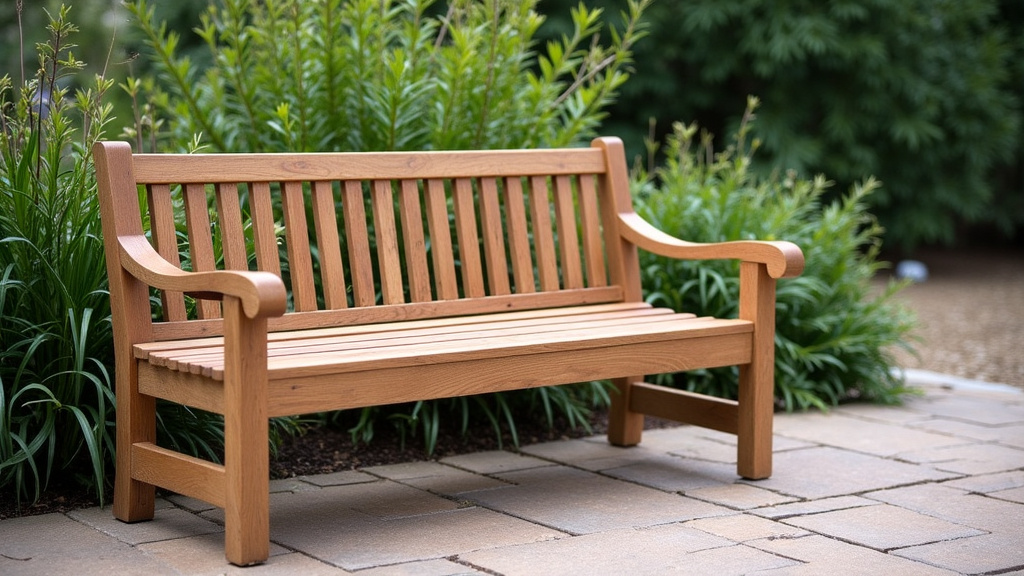
Wooden benches are a popular choice for their natural beauty. The type of wood plays a huge role here. Pine or fir are generally more budget-friendly, but they might require more maintenance to withstand the elements. You can often find a decent pine bench for under $150.
On the other hand, hardwoods like teak, cedar, or redwood are significantly more expensive. Teak, for example, is renowned for its natural oils that make it highly resistant to rot, decay, and insect damage. This durability comes at a price, and a teak bench can easily range from $300 to $800, or even more for larger or designer pieces.
Metal Benches: Strength and Style
Metal benches offer a different kind of appeal, often providing a more modern or industrial look. Cast iron benches are known for their hefty weight and classic, ornate designs. They can be quite durable but may rust if not properly treated. A basic cast iron bench might start around $150, with elaborate designs going up to $500 or more.
Aluminum is another common metal, offering a lighter weight and rust resistance. This makes it a popular choice for outdoor furniture. Aluminum benches are generally priced similarly to mid-range wooden benches, often falling between $100 and $400. Powder-coated finishes add to the cost but also boost durability and color options.
Recycled Plastic and Composite Benches: Durability Meets Eco-Friendliness
For a low-maintenance and eco-friendly option, recycled plastic and composite benches are fantastic. These are made from recycled materials like plastic bottles and wood fibers. They are incredibly durable, weather-resistant, and require very little upkeep – no staining or sealing needed! You might find simple recycled plastic benches for around $100 to $250. More elaborate composite benches with wood-like textures can climb to $300-$600.
Stone and Concrete Benches: Built to Last
Stone and concrete benches are the definition of permanent outdoor seating. They are extremely heavy, durable, and weather-resistant. Because of the weight and the materials involved, these benches tend to be on the pricier side, often starting at $200 and going well over $500, depending on the design and the type of stone used.
Size and Design: More Than Just Square Footage
The dimensions of your bench naturally affect its cost. A small, two-seater bench will naturally cost less than a large, three or four-seater bench. We found that benches offering extra width or length can add 20-50% to the base price of a similar design.
Beyond basic size, the design itself influences the price. Simple, straight-line benches are usually the most affordable. Benches with curved backs, armrests, decorative carvings, or integrated features like planters or small tables will cost more. Intricate designs require more labor and expertise to create.
Brand and Retailer: Where You Shop Matters
Just like any other product, the brand of the outdoor bench can impact its price. Well-known furniture brands that specialize in outdoor living often command higher prices due to their reputation for quality and design. Think of it like buying a designer handbag versus a generic one.
We also found that where you purchase your bench can affect the cost. Big box stores might offer lower prices on mass-produced items. Specialty outdoor furniture stores or high-end home goods retailers will likely have more premium options with higher price tags. Online retailers can offer a wide range, from budget-friendly to luxury, often with competitive pricing.
Features and Extras: Adding Value (and Cost)
Some outdoor benches come with added features that can increase their cost. These might include:
- Built-in storage: Lidded benches can provide a place to stash cushions or gardening tools.
- Comfortable cushions: While not part of the bench itself, many benches are sold with or designed for specific cushions, which can add another $50-$200 to your total.
- Integrated planters: Some benches have planters built into the ends, perfect for adding a touch of greenery.
- Weather-resistant finishes: Special coatings or treatments to protect against UV rays, moisture, and mildew will add to the initial cost but can prolong the life of your bench.
These extras add convenience and style, but they also add to the overall price. You’ll need to weigh if these features are worth the extra investment for your needs.
Installation and Assembly: Do-It-Yourself vs. Professional Help
Many outdoor benches come flat-packed and require some assembly. If you’re comfortable with a screwdriver and an instruction manual, you can likely assemble it yourself, saving on costs. Many furniture retailers offer assembly services for an additional fee, typically ranging from $50 to $150, depending on the complexity of the bench.
Some benches, particularly heavier cast iron or stone models, might require professional installation due to their weight and the need for a level surface. This is less common for typical benches but can be a factor for very large or custom pieces. Always check if assembly or installation costs are included or extra.
Considering Long-Term Value and Maintenance
When you’re looking at the price tag, it’s wise to consider the long-term value. A cheap bench that needs replacing in a year or two might end up costing you more in the long run than a more expensive bench made from durable materials that lasts for a decade or more. Many experts suggest looking at the cost per year of expected use. To understand the true cost, consider the long-term value of your bench.
Maintenance is also a cost factor. A wooden bench might need annual sealing or staining, which adds to the time and expense. Metal benches might need touch-ups to prevent rust. Recycled plastic benches, on the other hand, typically require just a quick wipe-down, making them a low-maintenance, long-term value for many people.
Here’s a quick checklist to help you budget:
- Material type (wood, metal, plastic, etc.)
- Bench size and seating capacity
- Design complexity and features
- Brand reputation and where you buy
- Any included accessories (cushions, storage)
- Assembly or installation needs
Conclusion
You’ve seen how many factors influence outdoor bench prices, from sturdy teak and ornate cast iron to budget-friendly recycled plastic. Remember that the upfront cost is only part of the story. Consider the long-term durability and maintenance needs for each material to find the best value for your yard.
Your perfect bench is out there, balancing style, function, and your budget. Take these insights with you as you browse. We recommend making a short list of your must-have features and materials before you start shopping.
Frequently Asked Questions
What is the cheapest material for an outdoor bench?
Generally, simple benches made from pine or fir wood, or basic recycled plastic, will be the most budget-friendly. You can often find these models for under $100 if you’re looking for a no-frills seating option.
Are metal benches expensive?
Metal benches can vary in price. Basic aluminum benches are often mid-range, typically between $100 and $400. Cast iron benches, especially those with intricate designs, can be more expensive, starting around $150 and going up.
How much does a durable teak bench usually cost?
Teak is a premium wood known for its excellent weather resistance. A teak bench will typically cost more, often ranging from $300 to $800 or even higher for larger or designer styles, reflecting its superior durability and natural beauty.
Are benches with built-in storage more expensive?
Yes, benches with added features like built-in storage, planters, or special finishes will generally cost more than simpler models. These extras add to the manufacturing cost and labor involved.
Should I factor in assembly costs when buying an outdoor bench?
You should definitely consider assembly. Many benches come flat-packed and require DIY assembly to save money. If you need professional assembly services, budget an extra $50 to $150, depending on the bench’s complexity.