How Much Does a Good Patio Umbrella Cost?
On this page (3 sections)
A good patio umbrella costs anywhere from $150 to $800, on average. You can certainly find options outside this range, but this is a good starting point for a quality umbrella that will last.
The price for a patio umbrella really depends on factors like size, material, and features. Smaller, basic umbrellas will be on the lower end, while larger cantilevers with LED lights increase the price. We found that durability significantly impacts cost.
- Patio umbrellas generally cost $150-$800.
- Factors like size, material, and features influence the price.
- Durable frames and weather-resistant fabrics add to the cost.
- Cantilever umbrellas tend to be more expensive than traditional pole umbrellas.
Let’s explore what goes into the price tag of a patio umbrella, helping you choose the best one for your outdoor space and budget.
What Determines the Price of a Patio Umbrella?
The cost of a patio umbrella isn’t random. Many interconnected factors decide how much you’ll pay. We found that the biggest influences are size, materials, and added features.
Think of it like buying a car. A basic sedan costs less than a luxury SUV with all the bells and whistles. Patio umbrellas work the same way, with upgrades increasing the price.
Size Matters: How Bigger Umbrellas Cost More
It stands to reason: a larger umbrella requires more fabric, a sturdier frame, and often a more complex opening mechanism. This all adds up. If you are budgeting for the seating beneath it, see our guide to conversation set costs.
- Small Umbrellas (6-7 feet): These are usually the most affordable, often costing $50-$150. They’re great for small balconies or a single bistro table.
- Medium Umbrellas (8-9 feet): A popular choice for standard dining sets. Expect to pay $150-$400 here. They offer a good balance of shade and value.
- Large Umbrellas (10-13 feet+): These giants provide extensive shade for large gatherings or lounging areas. Prices can climb from $300 to $800 or even over $1,000 for very high-end models.
When you’re trying to figure out what size you need, measure your space. Don’t just guess. You want an umbrella that covers your seating area, but doesn’t feel overwhelming in the space (Consumer Reports). If you are planning a seating area, see our guide to outdoor bench costs.
Materials: The Foundation of Durability and Cost
The materials used in your umbrella’s frame and canopy are huge price drivers. Good materials mean your umbrella lasts longer and stands up to the elements better.
Frame Materials: What Holds It All Up?
The pole and ribs of your umbrella do the heavy lifting. Their material affects both strength and price.
- Aluminum: A common choice for patio umbrellas. It’s lightweight, rust-resistant, and relatively strong. Most umbrellas in the $150-$500 range will feature an aluminum frame.
- Steel: Stronger than aluminum but heavier and prone to rust if not properly treated. You’ll often find steel in more budget-friendly options, or coated steel in mid-range choices.
- Wood: Offers a classic, elegant look, often made from hardwoods like teak. Wood frames are sturdy but require more maintenance and can be pricier, often pushing into the $300+ category.
- Fiberglass: Lightweight, flexible, and very durable. Fiberglass ribs are less likely to snap in a strong gust of wind. This premium material is found in higher-end umbrellas, raising the cost.
Ask yourself: what kind of weather does your patio get? If you’re in a windy area, investing in a stronger frame might save you money in the long run.
Canopy Fabrics: Protection from the Sun and Rain
The fabric on your umbrella provides the shade and protects against UV rays. The quality here really impacts both performance and lifespan.
- Polyester: Common in entry to mid-level umbrellas. It’s affordable, decent at resisting water, and offers some UV protection. It costs less, but may fade faster than other options.
- Olefin: A step up from polyester. Olefin is known for its excellent colorfastness, meaning it resists fading from sun exposure. It’s also durable and relatively easy to clean. Expect to see it in the $200-$500 range.
- Acrylic (e.g., Sunbrella): The gold standard for outdoor fabrics. Acrylic fabrics are highly resistant to UV rays, fading, mildew, and water. They are incredibly durable and designed to last for years, even in harsh conditions. Umbrellas with acrylic canopies are usually the most expensive, often starting around $400 and going much higher (Outdoor Fabric Guide).
A good canopy fabric means you won’t be replacing your umbrella every couple of seasons. It’s an investment in longevity.
Types of Patio Umbrellas: From Basic to Luxury
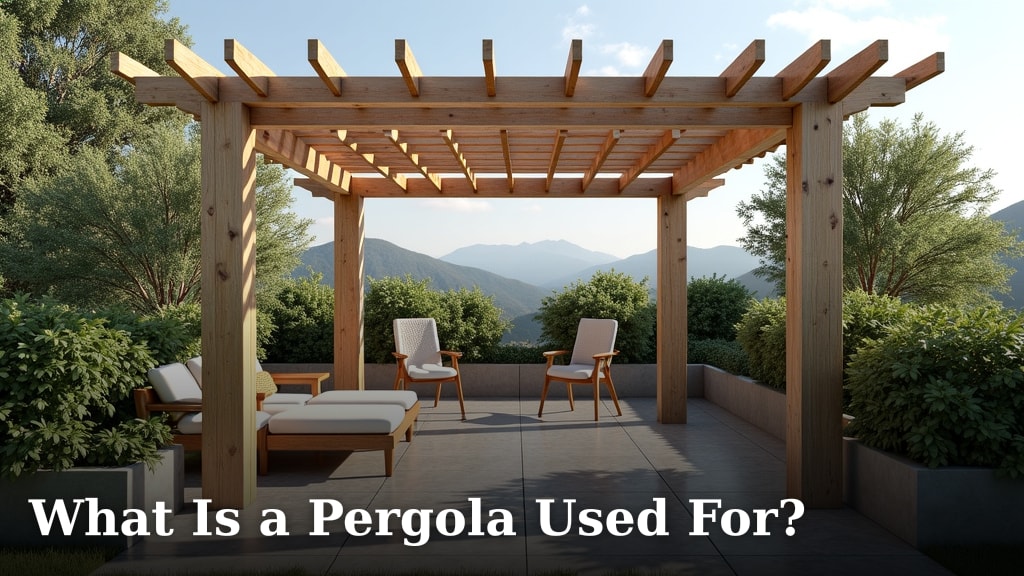
The design or type of umbrella significantly affects its price. A pergola is another shade structure with its own budget, covered in our guide to pergola costs. Some designs are simply more complex and require more engineering.
Market Umbrellas (Center Pole)
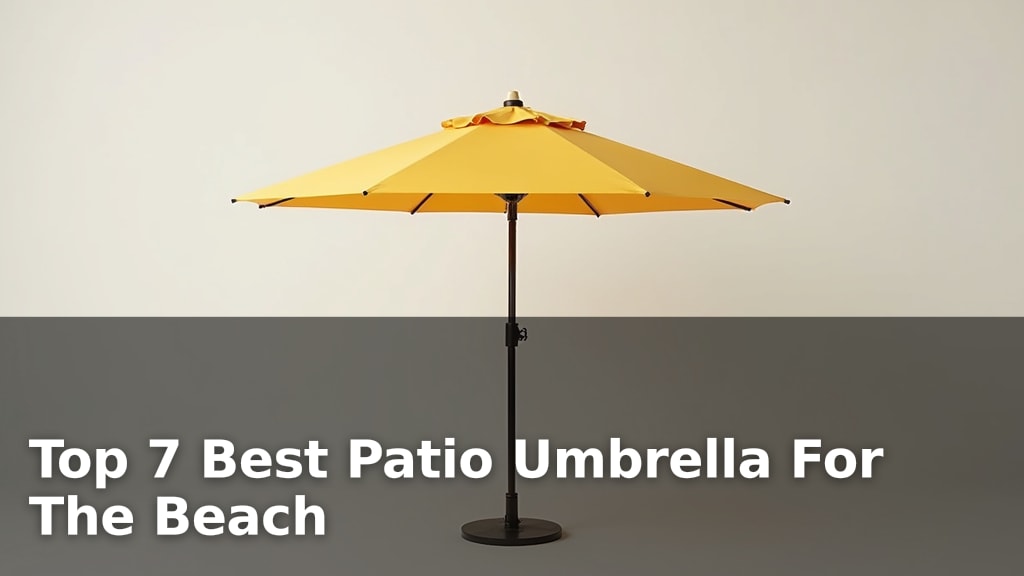
These are the traditional umbrellas you see everywhere. They have a straight pole that goes through the center of a table or stands in a weighted base.
- Cost: $50-$400, depending on size and materials.
- Why the price? Simplicity of design means lower manufacturing costs. They’re straightforward and effective.
Market umbrellas are your go-to for basic, reliable shade. They’re a great budget-friendly option if you don’t need fancy features.
Cantilever Umbrellas (Offset Umbrellas)
These are the umbrellas with a pole that’s offset to the side, allowing the canopy to “hang” over your seating area without a center pole. They offer maximum flexibility in positioning shade.
- Cost: $300-$1,000+, often much more for large, high-end models.
- Why the price? Their complex engineering requires a heavy, stable base and a robust frame to support the canopy without a central anchor. Many come with rotation and tilt features.
Cantilever umbrellas are fantastic for large lounges or if you like to move your shade around throughout the day. They’re a bigger investment but offer a lot more versatility.
Half Umbrellas
Designed to sit flush against a wall, these are perfect for small balconies or narrow spaces where a full umbrella won’t fit.
- Cost: $75-$250.
- Why the price? Like market umbrellas, they are relatively simple in design but cater to a niche need.
A half umbrella is a clever solution if you’re short on space but still want some shade.
Features and Accessories: The Extra Costs
Beyond the basics, many umbrellas come with extra features that enhance convenience and functionality, but also add to the price tag.
- Crank Lift vs. Pulley System: A simple pulley is cheaper. A crank lift system (like opening a window blind) adds convenience and a little to the price.
- Tilt Mechanism: This lets you angle the canopy as the sun moves. Push-button tilt is common; auto-tilt (cranking to tilt) is usually found on more expensive models.
- LED Lights: Many higher-end umbrellas, especially cantilevers, integrate LED lights into the ribs. Perfect for evening ambiance, but they do increase the cost.
- Ventilation: A wind vent at the top of the canopy allows hot air to escape and provides stability in light breezes. Almost standard now but a well-designed vent can add to overall durability.
- Storage Covers: A good cover protects your investment. Some umbrellas include them; others require a separate purchase ($30-$100).
- Heavy Duty Base: Especially crucial for cantilever umbrellas. These aren’t always included and can cost an additional $100-$300. Don’t skip this! A flimsy base equals a runaway umbrella.
Consider what features are truly “must-haves” for your lifestyle. Do you really need lights, or would a string of solar fairy lights be just as good and cheaper?
Patio Umbrella Price Checklist: What to Consider
Before you buy, run through this quick checklist. It will help you connect your needs with the right price point.
- Shade Area: How many people or how much furniture do you need to cover?
- Exposure: How much sun and wind does your patio get? This impacts material choice.
- Operation: Do you want a simple push-up, a crank, or a more advanced auto-tilt?
- Aesthetics: Does it need to match existing decor? Are you looking for a specific style?
- Longevity: How long do you expect it to last? Are you okay with replacing it often, or do you want a several-year commitment?
- Budget: What’s your absolute maximum spend?
Knowing these answers will guide you toward the right type of umbrella and help you understand its price tag.
Budget Vs. Quality: Finding the Sweet Spot
You might be wondering, can I get a “good” umbrella without breaking the bank? Absolutely! But defining “good” is key.
A budget umbrella ($50-$150) might offer decent shade for a season or two. Its frame might be less sturdy, and the fabric could fade quickly. If you only use it occasionally, or live in a very mild climate, this could be “good enough” for you.
A mid-range umbrella ($150-$400) usually offers a better balance. You’ll likely get an aluminum frame, decent weather-resistant fabric like olefin, and a crank lift. This is often where most people find their sweet spot for value and durability.
High-end umbrellas ($400+) are investments. They boast premium materials (fiberglass, acrylic fabric), advanced features, and superior craftsmanship. They are designed to withstand years of harsh weather and constant use. If you view your outdoor space as an extension of your home, this might be worth it.
We found that spending a little more upfront often saves you money in the long run. A $100 umbrella that you replace every year ends up costing more than a $300 umbrella that lasts five years.
Average Cost Breakdown Summary
Let’s put it all together in a general overview. Keep in mind these are averages, and sales or specific brands can shift prices.
| Type of Umbrella | Key Features | Average Price Range |
|---|---|---|
| Basic Market Umbrella | Steel/aluminum frame, polyester canopy, push-up or simple pulley | $50 – $150 |
| Standard Market Umbrella | Aluminum frame, olefin/polyester canopy, crank lift, tilt feature | $150 – $400 |
| Quality Cantilever Umbrella | Aluminum/steel frame, olefin/acrylic canopy, crank lift, rotation & tilt | $300 – $800 |
| Premium Cantilever Umbrella | Heavy duty aluminum/fiberglass frame, acrylic canopy, advanced features (lights, heavy base) | $800 – $2,000+ |
| Half Umbrella | Aluminum frame, polyester/olefin canopy, wall-mounted design | $75 – $250 |
Remember, these ranges are for the umbrella itself and may not include a heavy base or cover, which can be significant additional costs, especially for larger umbrellas. For a broader outdoor budget, see our guide to patio furniture set costs.
Conclusion
Finding the right patio umbrella means balancing initial cost with long-term value. We found that while a basic umbrella might be tempting, investing a little more upfront often saves you money and hassle in the future. Consider your space, local weather, and how often you’ll use it.
By focusing on durable materials and features that matter to you, you can choose a quality umbrella that provides effective shade for many seasons to come. Make sure the one you pick truly fits your outdoor living needs.
Frequently Asked Questions
What’s the main difference between a market and a cantilever umbrella?
A market umbrella has a central pole, perfect for placing through a table. A cantilever (or offset) umbrella has a pole to the side, allowing its canopy to hang freely over your space without obstruction. Cantilevers cost more due to their complex design.
Do I really need a heavy base for my patio umbrella?
Yes, absolutely. A sturdy base is crucial for safety and stability, especially for larger umbrellas or in windy conditions. Many umbrellas do not include a base, and you should expect to purchase one separately to prevent your umbrella from tipping over.
How much UV protection does a patio umbrella offer?
The level of UV protection varies greatly by fabric. Polyester offers some protection, while solution-dyed acrylics (like Sunbrella) provide superior UV resistance, often blocking 98% or more of harmful UV rays. Always check the fabric specifications if UV protection is a priority for you.
When is the best time to buy a patio umbrella to save money?
You can often find the best deals on patio umbrellas during late summer or early fall. Retailers start clearing out seasonal inventory to make room for new products. This is a great time to snag a quality umbrella at a discounted price.
Can I leave my patio umbrella open all the time?
It’s generally not recommended to leave your patio umbrella open when not in use, especially in windy or stormy weather. Strong gusts can damage the frame or canopy. Closing and securing your umbrella, or using a protective cover, helps extend its lifespan and keeps it looking new.