Can You Leave a Patio Bar Set Outside in the Rain?
On this page (7 sections)
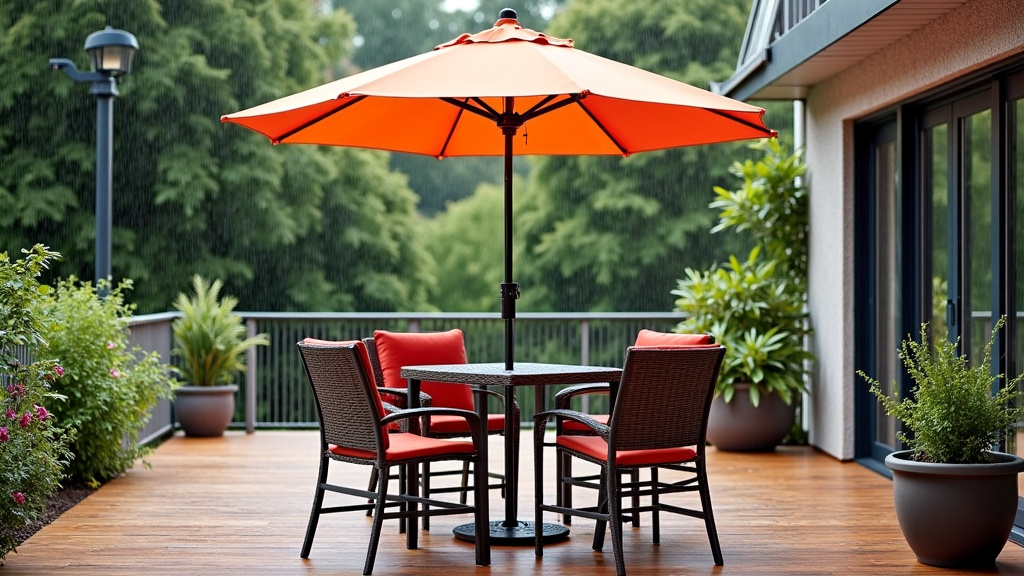
No, it’s generally not recommended to leave your patio bar set outside in the rain continuously. Even if it’s marketed as weather-resistant, constant moisture will shorten its lifespan. The key is understanding the materials and construction of your specific set.
We found that the biggest risks involve rust, mold, and material breakdown. Metal can corrode, wood can warp and rot, and cushions can grow mildew. How much rain your set can handle also depends heavily on your local climate and seasonal weather.
- Material Matters: Aluminum resists rust, but steel will rust without proper coating. Natural woods like teak age better than pine.
- Cover is King: A breathable, waterproof cover is your best friend for daily protection.
- Drainage is Key: Ensure cushions are dry and folded or stored during heavy rain to prevent mildew.
- Storage Solves It: The safest option is moving it under a patio cover, awning, or into a garage during storms.
Below, we break down exactly how to protect your investment, what to look for in an “all-weather” set, and simple steps to keep your outdoor space ready for fun, rain or shine.
Is It Really Okay to Leave Your Patio Set Out in the Weather?
Let’s be direct: continuously leaving your patio bar set exposed to rain is a shortcut to damage. While “weather-resistant” sounds like a magic shield, constant moisture is the enemy of almost every material. It’s not just about the next downpour, but the cumulative effect of dampness, humidity, and temperature changes.
Think of it like leaving your shoes out in a storm. They might survive one shower, but they’ll crack, mildew, and fall apart if you do it regularly. Your outdoor furniture faces the same fate. We found that even “all-weather” materials have their limits when faced with non-stop exposure.
Why Rain is More Damaging Than You Think
Rainwater itself is a problem, but it brings friends. It traps humidity against surfaces, creating a perfect breeding ground for mold and mildew. It seeps into tiny cracks, and when temperatures drop, that water freezes and expands, causing materials to crack and splinter. This is why you often see paint peeling and wood graying after just one season of neglect.
The “Dry Time” Rule
Experts in outdoor furniture maintenance emphasize the importance of “dry time.” This means your set needs periods of dry air to let trapped moisture escape. Without it, materials degrade much faster. Aluminum might not rust, but mildew can still grow on it. Steel will corrode, and wood will rot if it never gets a chance to fully dry out.
Breaking Down Your Patio Set by Material
The answer to “how long can it stay out?” is always “it depends on what it’s made of.” Here’s a quick guide to how common materials handle the rain.
| Material | Rain Resistance | Biggest Risk | Key Care Tip |
|---|---|---|---|
| Aluminum | Excellent. Won’t rust. | Fading finish, mildew in joints. | Wipe down to prevent water spots and mildew. |
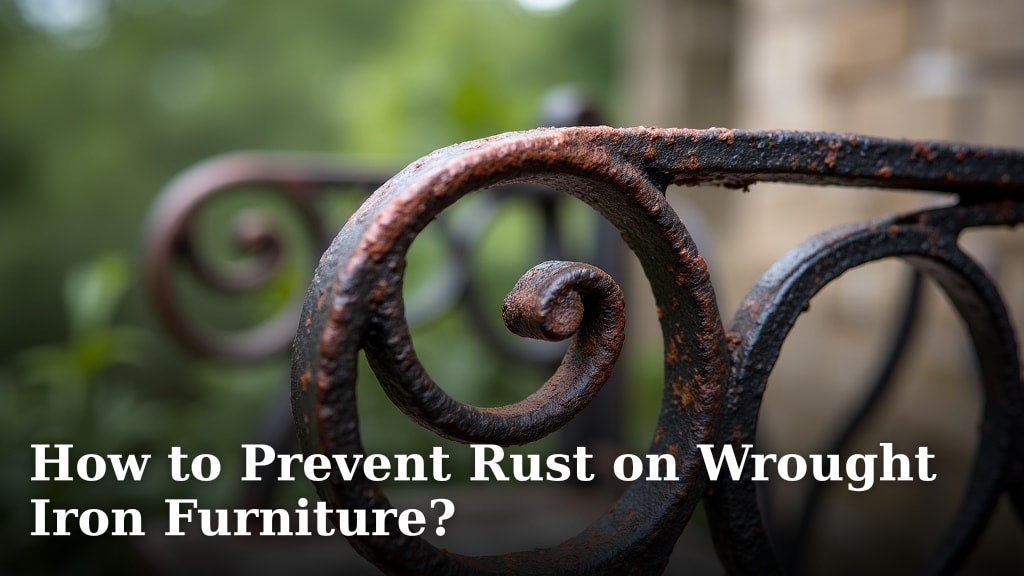
| Steel / Iron | Poor to Good (depends on coating). | Rust and corrosion if coating is scratched. | Use covers. Touch up paint chips immediately. |
| Teak / Acacia Wood | Good to Excellent. | Gray patina (not structural) or rot if drainage is poor. | Allow airflow. Clean annually. Oil is optional. |
| Pine / Other Softwoods | Poor. | Rot, warping, and insect damage. | Must be sealed/painted. Best kept under cover. |
| All-Weather Wicker (Resin) | Very Good. | Weaving can trap water; core may weaken over time. | Ensure water can drain through the weave. |
| Plastic / Polymer | Excellent. | Fading, brittleness from UV rays, not rain. | Quality varies. High-grade resin holds up well. |
The Cushion Conundrum
Cushions are the most vulnerable part of your set. Even “quick-dry” foam and “mildew-resistant” fabric have limits. If you leave sodden cushions sitting, mildew is inevitable. You can’t just wipe them dry—the moisture gets deep inside the foam.
What We Found About “All-Weather” Fabrics
Many labels claim fabrics like Sunbrella are mildew-resistant. This is true, but it means mildew won’t grow on the fabric itself. It can still grow on the dirt, pollen, and body oils trapped within the fabric fibers if they stay wet. The fabric needs to be clean and allowed to dry thoroughly to prevent this.
Your Action Plan: Protecting Your Investment
So, what should you actually do? You have several options, ranging from simple to complete. The goal is to minimize direct, prolonged water contact.
Option 1: The Cover-Up Method
A good cover is your first line of defense. But not just any cover. We found that the best covers are waterproof yet breathable. A non-breathable tarp will trap condensation underneath, creating a humid greenhouse effect that promotes mildew—the opposite of what you want.
- Look for: Vents for airflow, buckles or drawstrings to secure it in wind, and a fabric that resists UV rays.
- Pro Tip: Make sure your set is completely dry before covering it for the night. Covering a damp set is a recipe for disaster.
Option 2: Strategic Storage
The safest option is moving components during severe weather. Can you slide the table and stools under a patio awning? Do you have space in a garage or shed for the cushions? Even putting just the cushions and light chairs inside during a big storm will dramatically extend their life.
For the heavier table and frame, a permanent overhead structure like a pergola with a canopy provides excellent daily protection while keeping your outdoor space open.
Option 3: Let Nature Take Its Course (Strategically)
If your set is made of premium teak or high-quality powder-coated aluminum, you might choose to let it weather naturally. Understand, however, that this is a deliberate aesthetic choice. Teak will develop a silvery-gray patina, and any finishes will fade. The structure will remain sound, but it will look different.
The “Strategic” Weathering Checklist
If you go this route, follow these steps to prevent actual damage:
- Ensure all furniture has feet or glides to lift it slightly off the ground, preventing water pooling.
- Cushions must be removed and stored. No exceptions for natural weathering.
- Give the set a quick rinse with a garden hose occasionally to wash away bird droppings and debris that can stain.
- Inspect annually for any screws, bolts, or welds that need tightening.
Seasonal Maintenance is Non-Negotiable
Whether you cover it, store it, or let it weather, a little seasonal care goes a long way. This isn’t just about cleaning; it’s about inspection and prevention.
Spring & Fall: Your Power Washing Window
At the start and end of the season, give everything a thorough cleaning. Use a mild soap solution and a soft brush. For wood, follow the grain. For fabric cushions, a spray of a diluted vinegar-water solution can help kill early mildew spores (Mayo Clinic recommends vinegar as a gentle mold deterrent for household surfaces).
After washing, rinse completely and allow everything to dry for at least 24 full hours in the sun before covering or using.
Your “Is It Protected?” Quick-Check List
Walk through this list before you decide to leave your set out uncovered. It’ll give you a clear answer.
- Material Check: Is it a rust-proof metal or naturally rot-resistant wood? Or is it steel, iron, or pine?
- Cushion Policy: Do you have a guaranteed dry storage spot for all cushions and pillows?
- Cover Check: Do you have a properly fitting, breathable cover ready to deploy?
- Overhead Shelter: Does your patio have a roof, awning, or pergola that blocks most direct rain?
- Drainage Flow: When it rains, will water pool on or under your furniture, or can it drain away freely?
- Your Commitment: Are you willing to do a seasonal cleaning and inspection to catch small issues early?
Ultimately, leaving a patio bar set outside in the rain is a calculated risk. The more steps you take to provide cover, ensure drainage, and allow for drying time, the longer your outdoor oasis will last. A little protection now means more worry-free gatherings later.
Conclusion
Ultimately, the answer to “Can you leave it out?” isn’t a simple yes or no. It’s a “yes, but…” situation that depends entirely on your specific furniture and your willingness to protect it. We found that even the best “all-weather” materials suffer from non-stop moisture. Your key to success is matching your care strategy to the material—whether that means getting a breathable cover, committing to seasonal cleaning, or simply bringing the cushions inside. Don’t let a little rain ruin your investment. Use that “Is It Protected?” checklist, and take one proactive step today, like measuring for a cover or clearing a dry storage spot.
Frequently Asked Questions
Can I leave my metal patio bar set out all winter?
It’s strongly advised against. Even rust-resistant aluminum will suffer from trapped moisture in joints, leading to mildew and finish damage. Snow and ice create freeze-thaw cycles that can crack welds and loosen hardware. The safest practice is to move it to a covered area or store a patio bar set completely.
How do I prevent mildew on my outdoor cushions if I can’t store them?
Your best bet is a completely waterproof and breathable cushion cover. Ensure the cushions are clean and bone-dry before covering them. Elevating them slightly off the ground with a rack can also improve airflow and prevent water from pooling underneath, which is a major mildew trigger.
What kind of cover is actually safe for furniture left outside?
Look for a cover made of a UV-resistant, waterproof, yet breathable fabric. Brands with air vents are ideal. Avoid using a plastic tarp, as it will trap condensation underneath, creating a humid environment that promotes mold growth faster than being uncovered.
My “all-weather” wicker furniture is full of water after rain. What should I do?
Act quickly. Stand pieces up if possible to let water drain from the weave. Use a shop vac to suck out pooled water if you can. The goal is to allow complete airflow to dry the wicker and its inner frame thoroughly to prevent the core material from breaking down.
Is it ever okay to just leave the furniture out and deal with the weathering?
Only if your set is made of premium materials like solid teak or heavy-gauge powder-coated aluminum, and you accept the aesthetic change. Teak will turn a silvery-gray, and finishes will fade. For anything else, especially with cushions or softwoods, leaving it fully exposed will lead to functional damage.