
How To Protect Patio Furniture From Sun?
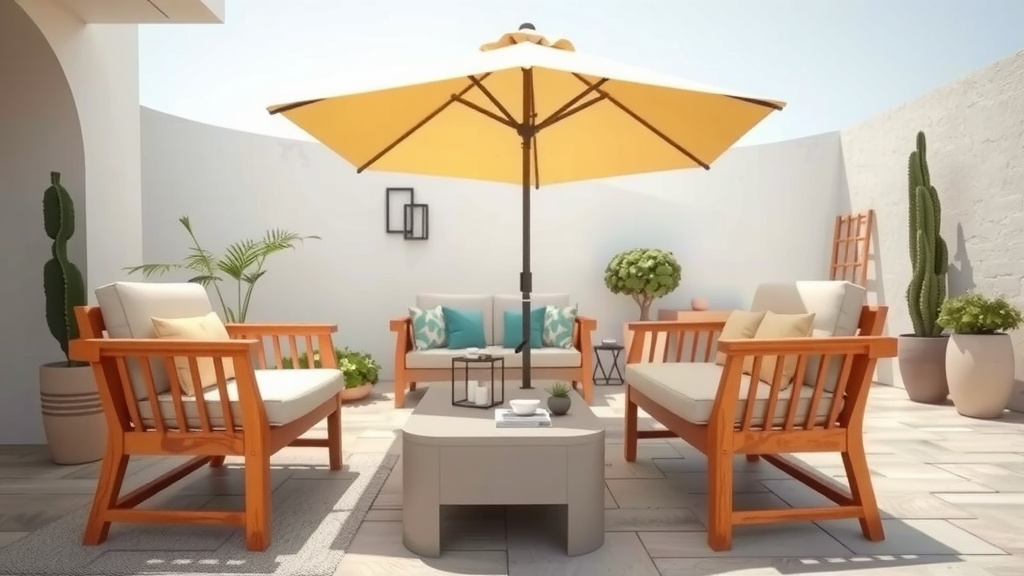
To protect patio furniture from sun damage, consistently use high-quality UV-resistant covers and apply appropriate protectants to surfaces. This helps prevent fading, cracking, and material degradation over time.
Positioning your furniture under natural or artificial shade structures also significantly reduces direct sun exposure. Regular cleaning and proper off-season storage further extend the life and beauty of your outdoor pieces.
TL;DR: Keep your patio furniture looking new by:
- Using UV-resistant covers daily.
- Adding shade like umbrellas or pergolas.
- Applying special sun protectant sprays.
- Choosing furniture made from sun-resistant materials.
- Cleaning and storing items properly in the off-season.
How To Protect Patio Furniture From Sun?
Protecting your patio furniture from the relentless sun involves a few smart strategies, from using covers to choosing the right materials. We found that a combination of proactive measures offers the best defense.
Why Does the Sun Harm Your Patio Furniture?
Have you ever seen a vibrant cushion turn faded and brittle? The sun’s UV rays are the main culprit. These rays break down materials at a molecular level, causing colors to dull and fabrics to weaken.
Over time, wood can crack, metals might corrode faster, and plastics can become fragile. Think of it like a constant, slow burn that slowly degrades everything exposed.
Cover Up! The Power of Patio Furniture Covers
One of the easiest and most effective ways to shield your furniture is with a good cover. It’s like putting a hat on your furniture to protect it from harsh rays.
Many experts say covers provide a direct barrier against UV light, rain, and debris (Weather Channel). This simple step can add years to your furniture’s life.
What Kind of Covers Should You Use?
Not all covers are created equal. You want covers made from durable, breathable, and UV-resistant materials. Polyester with a PVC backing is a popular choice because it resists tearing and offers excellent sun protection.
Look for features like elastic hems, buckles, or drawstrings to ensure a snug fit. A cover that flaps in the wind can cause more damage than good. We found that covers with vents help prevent mildew buildup.
Seeking Shelter: Strategic Shade Solutions
Beyond covers, consider adding permanent or semi-permanent shade structures. Imagine sipping a cool drink under a breezy awning, completely shielded from the midday glare.
Shade structures block direct sunlight, reducing the overall exposure of your furniture. This also makes your patio a more comfortable space for you!
Umbrellas, Awnings, and Pergolas
Patio umbrellas are a classic choice, offering flexible shade where you need it most. They come in various sizes and styles, from cantilever to market umbrellas.
Awnings provide fixed shade directly attached to your home, while pergolas offer a more open, architectural feel. You can drape shade cloths over pergolas for extra protection. Many people find these structures create an inviting outdoor living room (Better Homes & Gardens).
Treat Your Furniture Right: UV Protectants
Think of UV protectants as sunscreen for your furniture. These sprays or waxes add a protective layer that helps block harmful UV rays from reaching the material underneath.
Regular application is key, especially for cushions and wooden pieces. We found that these treatments can significantly slow down fading and degradation.
Best UV Protectant Sprays for Different Materials
Choosing the right protectant depends on your furniture’s material. Here’s a quick guide:
| Material Type | Recommended Protectant | Application Frequency |
|---|---|---|
| Wood (Teak, Acacia, Cedar) | Teak oil or clear sealant with UV inhibitors | Every 6-12 months |
| Wicker (Synthetic Rattan) | Vinyl/plastic protectant spray with UV blockers | Every 3-6 months |
| Fabrics (Olefin, Acrylic) | Fabric protector spray with UV resistance | Every 3-6 months (or after washing) |
| Metal (Aluminum, Steel) | Automotive wax or clear coat with UV filters | Every 6-12 months |
Choosing Sun-Resistant Materials
Sometimes, the best defense is a good offense. When buying new furniture, pick materials known for their durability against the sun. This upfront choice saves you headaches later.
Investing in UV-resistant materials is a smart long-term strategy. You’ll spend less time worrying about damage.
Wood Furniture and Sun Protection
Certain woods, like teak, naturally resist sun damage better than others due to their high oil content. However, all wood benefits from regular sealing or oiling to prevent drying and cracking.
Many experts recommend reapplying wood protectants annually (Bob Vila) to maintain the wood’s integrity and color.
Metal Furniture and Sun Protection
Powder-coated aluminum and stainless steel are generally resistant to sun-induced fading and rust. However, intense sun can still heat them, affecting painted finishes over many years.
Applying a quality automotive wax can add an extra layer of UV protection and shine. This is especially useful for colored metal frames.
Fabric and Cushion Care
For cushions, look for outdoor fabrics like solution-dyed acrylic (e.g., Sunbrella) or Olefin. These materials have color embedded in their fibers, making them highly fade-resistant.
Even with these fabrics, rotating cushions regularly and using covers when not in use can prolong their vibrant look. Consider bringing cushions indoors during extreme heatwaves.
Regular Cleaning: Your First Line of Defense
Believe it or not, keeping your furniture clean plays a role in sun protection. Dust, pollen, and grime can trap moisture and accelerate material breakdown.
A simple wipe-down or rinse can prevent corrosive buildup. Clean surfaces also allow protectants to adhere better and work more effectively.
Seasonal Storage: The Ultimate Protection
When the colder months arrive, or if you won’t be using your patio for an extended period, indoor storage is the best option. This completely removes furniture from harsh elements.
A garage, shed, or even a covered porch offers a safe haven. It’s like giving your furniture a much-needed vacation from the sun’s demanding rays.
Quick Checklist for Sun Protection
Here’s a handy checklist to ensure your patio furniture stays looking fabulous:
- Regularly use UV-resistant covers.
- Provide ample shade with umbrellas or pergolas.
- Apply appropriate UV protectants to surfaces.
- Choose furniture made from sun-resistant materials.
- Clean furniture often to remove dirt and grime.
- Store cushions or entire sets indoors during off-season.
Conclusion
Protecting your patio furniture from the sun isn’t just about preserving its looks; it’s about extending its lifespan and maximizing your investment. By consistently using covers, strategic shading, and regular treatments, you can keep your outdoor space inviting and beautiful for years.
Think of these steps as a small effort today for a much longer-lasting enjoyment tomorrow. Your patio furniture will thank you with enduring comfort and style, ready for many sunny days to come.
How often should I reapply UV protectant sprays?
For most outdoor furniture, we found that reapplying UV protectant sprays every 3 to 6 months is generally effective, especially on high-exposure items. However, some heavy-use items or specific material types might benefit from more frequent application, perhaps every 2-3 months during peak sun season.
Can ordinary car wax protect metal patio furniture?
Yes, ordinary car wax can offer a decent level of protection for metal patio furniture. It creates a barrier against UV rays and helps repel water, which can reduce fading and prevent rust. Ensure the furniture is clean and dry before applying for the best results.
Is it better to store cushions indoors or just cover them?
While covering cushions outdoors offers good protection, storing them indoors or in a weatherproof storage box is always better, especially during prolonged periods of non-use or bad weather. This completely shields them from UV rays, moisture, and pests, significantly extending their life and preventing mildew.
Do dark-colored patio furniture fade faster than light-colored?
Many experts say that dark-colored patio furniture tends to show fading more noticeably and can absorb more heat than lighter colors. This increased heat absorption might accelerate material breakdown over time. However, the actual fade resistance largely depends on the fabric’s quality and its UV treatment, regardless of the initial color.
What are the signs that my patio furniture is already suffering from sun damage?
Common signs of sun damage include noticeable fading or dulling of colors, especially on fabrics and painted surfaces. Wood may start to look dry, cracked, or splintered. Plastic or resin furniture might become brittle, discolored, or develop a chalky texture. These are signals to start implementing protective measures immediately.
