
How To Fix Rusty Patio Furniture?
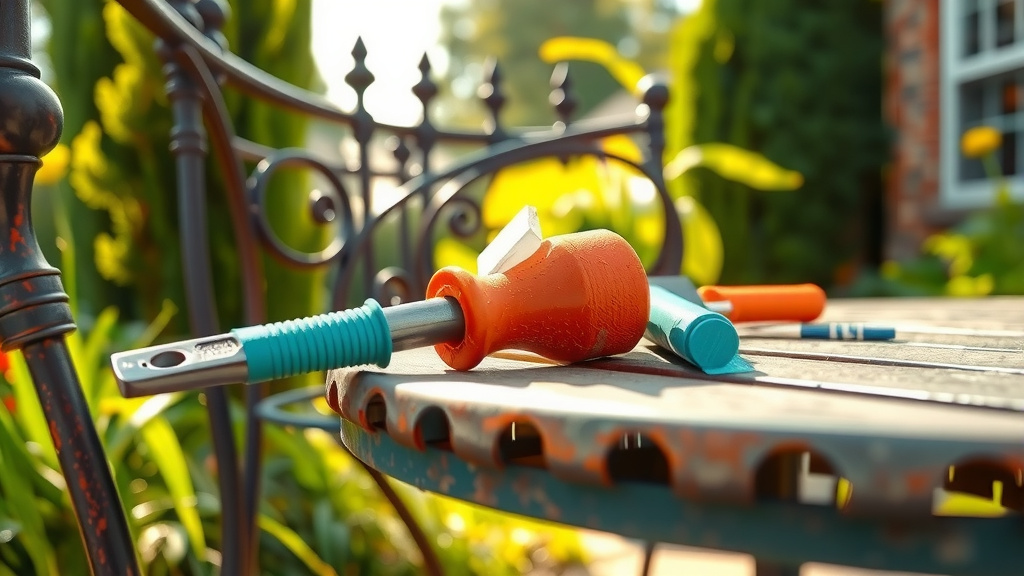
To fix rusty patio furniture, you will need to first clean the affected areas, then sand away the rust, apply a rust-inhibiting primer, and finish with a durable exterior paint.
This process helps restore your rusty patio furniture, making it look new and extending its lifespan for many seasons outdoors.
- Get rid of rust from your patio furniture by cleaning the surface well.
- Scrub away all the rust, using a wire brush or sandpaper.
- Apply a rust-blocking primer to protect the metal.
- Finish with a couple of coats of outdoor-grade paint for a fresh look.
- Regular maintenance and covers help keep rust from coming back.
How To Fix Rusty Patio Furniture?
You can fix rusty patio furniture by thoroughly preparing the surface, removing all rust, applying a suitable primer, and finishing with weather-resistant paint.
This approach helps restore both the look and durability of your outdoor pieces, making them ready for many more sunny days.
Understanding Rust on Your Patio Furniture
Seeing rust on your beloved patio furniture can be a real bummer. It’s a common problem, especially for items left exposed to the elements all year round.
But don’t toss them out just yet! With a little know-how and some elbow grease, you can often bring them back to life.
Why Does Patio Furniture Rust?
Rust, or iron oxide, forms when iron or steel reacts with oxygen and water. It’s a natural process that happens over time, often sped up by humidity and rain.
Even powder-coated furniture can rust if the coating gets scratched, exposing the bare metal underneath. It’s like a tiny break in its protective armor.
Common Rust Culprits
What causes rust to show up? Rain, sprinklers, and morning dew are big culprits, consistently wetting the metal.
Salty air, common in coastal areas, also accelerates rusting, as does consistent moisture. We found that standing water in crevices is a major contributor to rust spots.
Gathering Your Rust Repair Arsenal
Before you jump into fixing things, it’s smart to gather all your tools. Having everything ready makes the job much smoother, like having all your ingredients before baking a cake.
You will need a few key items to tackle that rust effectively and bring back the shine to your outdoor pieces.
Essential Cleaning Supplies
Start with simple cleaning. You’ll need a good bucket, some mild soap, and a stiff brush. A hose or pressure washer can also be very helpful for initial cleaning.
Many experts say a degreaser can remove grime, allowing you to see the true extent of the rust (Consumer Reports).
Rust Removal Tools
For rust removal, your tools might range from simple to more robust. Think wire brushes, sandpaper (various grits), or even a drill attachment with a wire wheel.
For more stubborn rust, we found that chemical rust removers can also be useful, but always read their instructions carefully.
Primers and Paints
Choosing the right primer and paint is key. Look for a rust-inhibiting primer, often called a “rust-converter” or “rust-encapsulator.”
For paint, select an exterior-grade, weather-resistant paint designed for metal. We found that spray paints often provide a smoother finish for furniture.
Step-by-Step Guide to Fixing Rusty Patio Furniture
Ready to get started? Fixing rusty furniture is a hands-on project, but it’s totally doable. Just follow these steps, and you’ll be enjoying your restored items in no time.
Think of it as giving your furniture a much-needed spa day, a proper rejuvenation from start to finish.
Step 1: Clean Thoroughly
First, wash the furniture with soap and water to remove dirt, grease, and loose debris. A stiff brush helps here, getting into all the nooks and crannies.
Rinse it well with a hose and allow it to dry completely before moving on. Moisture left behind can make new rust form.
Step 2: Remove All Rust
This is where the real work begins. You need to get rid of every bit of rust you can see. Any rust left behind will continue to spread, even under new paint.
Take your time with this step; it’s the foundation for a lasting repair.
Manual Sanding for Light Rust
For light surface rust, sandpaper (starting with 80-grit and moving to 120-grit) works wonders. Hand sanding can be effective for those small, isolated spots.
You can also use a wire brush to scrub away the rust manually. Always wear gloves and eye protection for this part.
Power Tools for Heavy Rust
Got a lot of rust? A drill with a wire wheel attachment or a sanding block can save you time and effort. These tools make quicker work of larger rusted areas.
Just be careful not to dig too deep into the metal itself. Many experts suggest a gentle but firm approach (Home Depot Guides).
| Rust Level | Recommended Tool(s) | Notes |
|---|---|---|
| Light Surface Rust | Sandpaper (80-120 grit), Wire Brush | Good for small spots; requires elbow grease. |
| Moderate Rust | Sandpaper (60-80 grit), Wire Brush, Scraper | More aggressive sanding needed; may use rust converter. |
| Heavy/Flaking Rust | Power Drill with Wire Wheel, Angle Grinder (carefully) | Fastest for large areas; wear full PPE. |
Step 3: Prime for Protection
Once all the rust is gone, it’s time for primer. Apply a rust-inhibiting primer evenly over all the sanded metal. This step seals the metal and prevents new rust.
Allow the primer to dry completely, following the product’s instructions. Usually, a couple of hours or more are needed.
Step 4: Paint for a Fresh Look
Now for the fun part: painting! Choose your desired color and apply several thin coats of exterior metal paint. Thin coats are better than one thick one, preventing drips.
Let each coat dry fully before applying the next. We found this layering helps create a more durable and even finish.
Step 5: Seal and Protect
Some people opt for a clear protective sealant over their paint job. This adds an extra layer of defense against moisture and UV rays.
This final coat can extend the life of your paint and keep your furniture looking good longer. It’s like a top coat for your outdoor manicure.
Keeping Rust Away: Prevention Tips
After all that hard work, you want to keep your furniture rust-free, right? Prevention is always easier than repair. A little foresight goes a long way.
Think of these tips as ongoing maintenance for your outdoor investments. Your future self will thank you for it.
Regular Cleaning and Inspection
Periodically wash your furniture to remove dirt and grime that can trap moisture. While cleaning, check for any new scratches or chips in the paint.
Catching these small issues early means you can touch them up before rust takes hold. A quick wipe down often does the trick.
Cover Your Furniture
When not in use, especially during rainy seasons or winter, use furniture covers. These covers shield your items from rain, snow, and direct sun.
We found that breathable covers are best, as they help prevent moisture from being trapped underneath.
Use Protective Coatings
Consider applying a wax or clear protective spray periodically. These products add an extra barrier against moisture and environmental damage.
It’s an extra step that can significantly prolong the life of your freshly painted furniture. Many automotive waxes work well for this (Rust-Oleum guidance).
Rust Repair Checklist:
- Gather all cleaning and removal tools.
- Clean furniture thoroughly with soap and water.
- Remove all visible rust spots by sanding or brushing.
- Apply a rust-inhibiting primer evenly.
- Paint with several thin coats of exterior paint.
- Consider a protective sealant for extra durability.
Conclusion
Fixing rusty patio furniture might seem like a big job, but it’s a rewarding one. With the right tools and a systematic approach, you can transform old, corroded pieces into beautiful outdoor assets again.
By understanding why rust forms and taking preventive measures, you can enjoy your restored furniture for many seasons to come. It’s a great way to save money and show some love to your outdoor living space.
What kind of paint is best for rusty metal patio furniture?
For rusty metal patio furniture, the best paint to use is an exterior-grade, oil-based paint designed for metal surfaces, often labeled as “direct-to-metal” or “rust-inhibiting.” These paints offer excellent adhesion and weather resistance.
Can I use a rust converter instead of sanding all the rust off?
Yes, rust converters can be useful, especially for hard-to-reach areas or when rust is deeply embedded. They chemically change rust into a stable, paintable surface. However, for best results, we found it’s always wise to remove loose, flaky rust first.
How do I prevent rust from returning to my patio furniture?
To prevent rust from returning, ensure your furniture is always dry, especially after rain. Use furniture covers, apply a clear protective topcoat, and periodically inspect for scratches that need touch-ups. Regular cleaning also helps a lot.
What safety precautions should I take when fixing rusty furniture?
Always wear safety glasses or goggles to protect your eyes from rust particles and paint. Wear gloves to protect your hands from chemicals and sharp edges. If using power tools or chemical removers, work in a well-ventilated area.
How long does it take for patio furniture to rust after being painted?
If properly cleaned, primed with rust-inhibiting primer, and painted with quality exterior paint, it can take many years for rust to reappear. Poor preparation or nicks in the paint will allow rust to form much faster, often within a season or two.
