
What Is Cast Aluminum Patio Furniture?
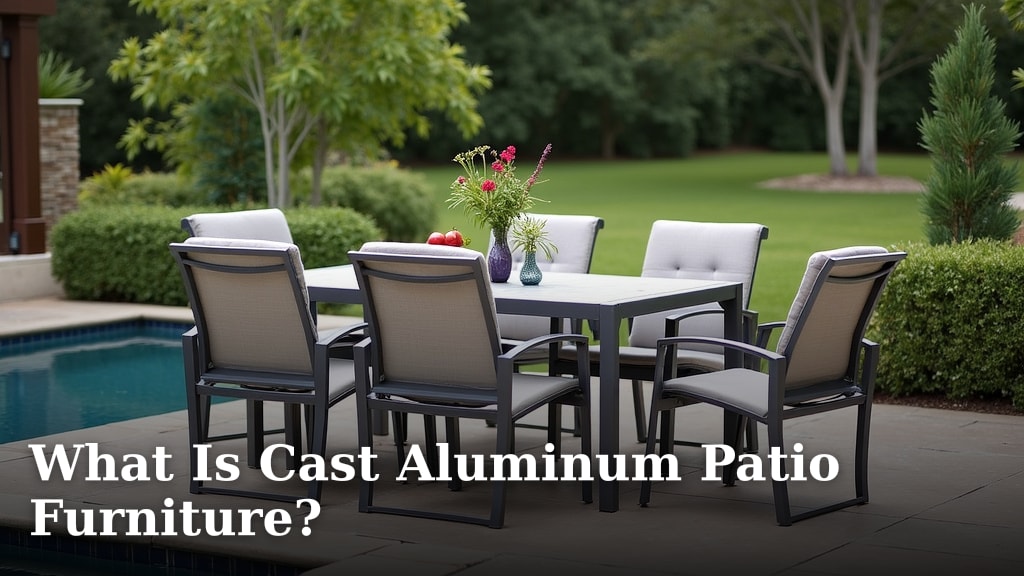
Cast aluminum patio furniture is a popular choice for outdoor spaces because it offers a great blend of durability and style. It’s made by melting aluminum and pouring it into molds to create intricate designs, making it both lightweight and strong. This material is perfect for your porch, patio, or garden.
When you’re looking for furniture that can stand up to the elements without rusting or corroding, cast aluminum is a fantastic option. It’s known for its resistance to weather, making it a smart long-term investment for your outdoor living area. You can find it in many beautiful finishes and styles.
- Cast aluminum furniture is made by pouring molten aluminum into molds.
- It’s known for being lightweight yet very durable.
- This material is highly resistant to rust and corrosion, making it great for outdoors.
- It comes in a wide range of styles and decorative designs.
- Caring for it is generally straightforward, adding to its appeal.
Let’s dive into what makes cast aluminum such a sought-after material for your patio and what you should know before you buy.
Understanding Cast Aluminum Patio Furniture
Cast aluminum is a fantastic material for your outdoor furniture. It’s made by melting aluminum and pouring it into molds. This process allows for beautiful, detailed designs. You’ll often see ornate patterns and classic shapes. It’s a popular choice because it’s both lightweight and very strong. This makes it easy to move around your patio or garden.
Unlike some other metals, aluminum does not rust. This is a huge benefit for furniture that lives outside. Rain, sun, and humidity won’t cause it to corrode. This means your furniture will look great for years. You can find cast aluminum furniture in many styles. Some are traditional, while others are more modern. It’s a versatile material for any outdoor setting.
How is Cast Aluminum Made?
The creation of cast aluminum furniture is an interesting process. First, pure aluminum or an aluminum alloy is melted down. The molten metal is then carefully poured into pre-made molds. These molds can be simple or very complex. They are used to create all sorts of shapes and decorative elements. Think of it like a fancy cookie cutter, but for metal.
Once the aluminum cools and solidifies, it’s removed from the mold. The piece is then cleaned and finished. This might involve sanding, polishing, or applying a protective coating. The result is a sturdy piece of furniture with a smooth finish. Because the metal flows into every detail of the mold, you get really intricate designs. This is a big reason why cast aluminum looks so elegant.
Key Characteristics of Cast Aluminum
What makes cast aluminum stand out? It has several key properties. First, it’s incredibly durable. While it’s lightweight, it’s built to last. It can withstand heavy use and the rigors of outdoor living. You won’t have to worry about it bending or breaking easily.
Another major plus is its resistance to the elements. We’ve already touched on rust, but it’s worth repeating. Aluminum forms a protective oxide layer. This layer prevents further corrosion. So, even if scratched, it won’t become a rust bucket. This is a big advantage over wrought iron or steel furniture. You can leave it outside year-round in many climates.
Lightweight Design
The lightness of cast aluminum is a practical benefit. You can rearrange your patio furniture with ease. Want to move your dining set for a party? No problem. Need to store cushions or bring a chair inside during a storm? It’s much simpler with lighter furniture. This ease of movement makes it very user-friendly.
Strength and Stability
Don’t let the lightweight nature fool you. Cast aluminum is surprisingly strong. The casting process creates a solid piece of metal. It can support significant weight. You can feel confident that your chairs and tables are stable. They won’t feel flimsy or wobbly.
Weather Resistance
We’ve discussed this, but it’s so important for outdoor furniture. Cast aluminum is resistant to moisture, salt air, and UV rays. This means it won’t degrade quickly when exposed to the weather. You can place it near a pool or by the ocean without excessive worry. It holds up much better than many other materials.
Design Versatility
The molding process allows for a lot of creativity. Designers can create flowing lines, detailed patterns, and ornate scrolls. This means you can find cast aluminum furniture that perfectly matches your style. Whether you prefer classic elegance or a more contemporary look, there’s likely a cast aluminum set for you. It’s available in many colors and finishes too.
Comparing Cast Aluminum to Other Patio Furniture Materials
To truly appreciate cast aluminum, it helps to see how it stacks up against other popular choices. Each material has its pros and cons. Knowing these differences can help you make the best choice for your needs and budget.
Cast Aluminum vs. Wrought Iron
Wrought iron is also known for its strength and classic look. However, wrought iron is very heavy. Moving it can be a challenge. The biggest drawback for wrought iron is its tendency to rust. It requires regular maintenance, like sealing and painting, to prevent corrosion. Cast aluminum, on the other hand, is lighter and rust-proof. While wrought iron can be more expensive, cast aluminum often offers a better low-maintenance option.
Cast Aluminum vs. Steel
Steel furniture is strong and often more affordable than cast aluminum. However, like wrought iron, steel is prone to rust. It usually needs a protective coating. Powder coating is common for steel furniture. If this coating is scratched or damaged, rust can quickly set in. Cast aluminum is naturally rust-resistant. It also tends to be lighter than steel, making it easier to handle.
Cast Aluminum vs. Extruded Aluminum
You might also see furniture made from extruded aluminum. This is made by forcing aluminum through a die to create uniform shapes, like tubes. Extruded aluminum is strong and lightweight, but it typically has a simpler, more modern look. It’s not as good for intricate designs as cast aluminum. Cast aluminum furniture is generally more decorative and often more substantial in appearance. Extruded aluminum can be a good budget-friendly choice.
Cast Aluminum vs. Wood
Wood furniture offers a natural, warm aesthetic. However, it requires significant upkeep. Wood needs sealing, staining, or painting to protect it from the elements. It can warp, rot, or fade over time. Cast aluminum requires much less maintenance. It doesn’t rot or warp. For a lower-maintenance, weather-resistant option, cast aluminum is often preferred.
Cast Aluminum vs. Plastic/Resin
Plastic or resin furniture can be very affordable and lightweight. It comes in many colors. However, it can become brittle and fade over time, especially in direct sunlight. High-quality resin can be quite durable, but it may not offer the same level of elegance or longevity as cast aluminum. Cast aluminum furniture tends to look more sophisticated and last much longer.
| Material | Pros | Cons | Maintenance Level |
|---|---|---|---|
| Cast Aluminum | Rust-proof, lightweight, durable, intricate designs, low maintenance | Can be more expensive than some materials, can dent if hit hard | Low |
| Wrought Iron | Very strong, classic look, durable | Heavy, rusts easily, requires regular maintenance | High |
| Steel | Strong, affordable, durable | Rusts easily, heavy, needs protective coating | Medium-High |
| Extruded Aluminum | Lightweight, strong, rust-proof, affordable | Simpler designs, less decorative than cast | Low |
| Wood | Natural look, wide variety of styles | Requires frequent maintenance, can rot/warp/fade | High |
| Plastic/Resin | Affordable, lightweight, many colors | Can fade/become brittle, less elegant, may not last as long | Low-Medium |
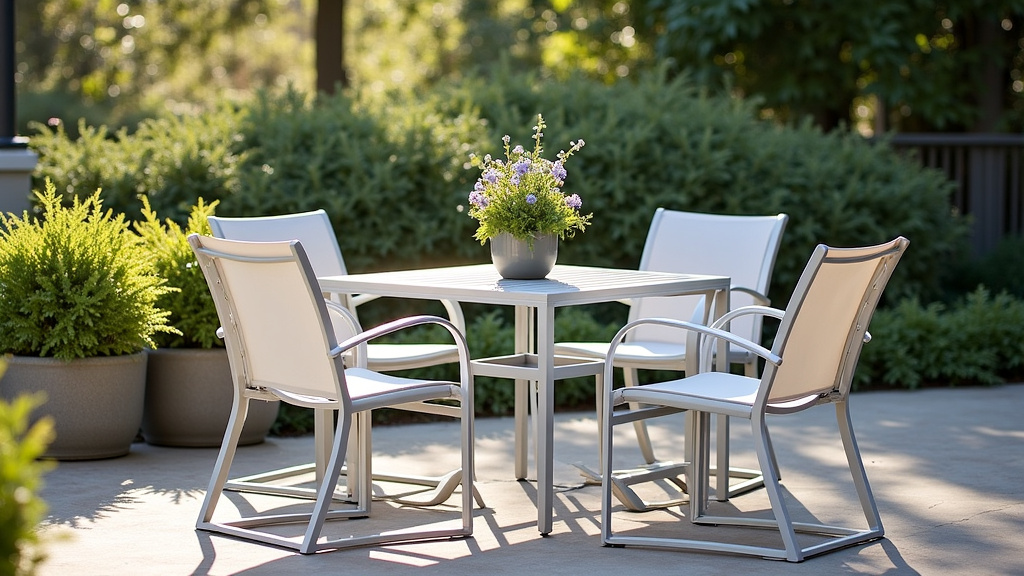
Caring for Your Cast Aluminum Furniture
One of the biggest advantages of cast aluminum is how easy it is to care for. You don’t need special tools or harsh chemicals. Regular cleaning is usually all that’s needed to keep it looking its best.
Routine Cleaning
For everyday dirt and dust, a simple wash is effective. Use a mild soap or detergent mixed with water. A soft cloth or sponge works well for this. Wipe down the furniture regularly. This prevents dirt from building up and becoming stubborn.
After washing, rinse the furniture thoroughly with clean water. Then, let it air dry or wipe it dry with a clean towel. This prevents water spots. Many experts recommend this simple cleaning method to maintain the finish (Good Housekeeping).
Dealing with Stubborn Stains
If you encounter tougher stains, like bird droppings or tree sap, you might need a bit more effort. Sometimes, a slightly stronger solution of soap and water can do the trick. For really tough spots, a non-abrasive cleaner might be needed. Always test any cleaner on an inconspicuous area first. You want to make sure it doesn’t damage the finish.
Protecting the Finish
Most cast aluminum furniture comes with a protective finish, often a powder coating. This finish adds color and protects the aluminum. To keep this finish in good condition, avoid abrasive cleaners or steel wool. These can scratch the surface. A sealant can add an extra layer of protection. Look for one specifically designed for outdoor furniture.
Storage Recommendations
While cast aluminum is durable, storing it during harsh winter months can extend its life. If you live in an area with heavy snow or ice, consider covering your furniture. You can use furniture covers designed for outdoor use. Alternatively, store smaller pieces in a garage or shed. This protects them from extreme weather.
Even if you don’t store it, keeping it clean before winter is a good idea. Remove any debris or lingering moisture. This helps prevent any potential issues over the cold months. It’s a simple step that makes a difference.
Quick Checklist for Cast Aluminum Care:
- Wash with mild soap and water regularly.
- Use a soft cloth or sponge for cleaning.
- Rinse thoroughly after washing.
- Avoid abrasive cleaners and steel wool.
- Consider furniture covers for winter storage.
- Test any new cleaners in a hidden spot first.
Conclusion
You’ve learned that cast aluminum patio furniture offers a superb combination of lasting durability and beautiful design. Its natural resistance to rust and corrosion means less worry about the weather. You also know it’s lightweight enough for easy rearrangement but still sturdy. It’s a smart choice for creating an attractive and low-maintenance outdoor oasis. Ready to find the perfect set? Consider what style best suits your space and start enjoying your enhanced patio this season!
Frequently Asked Questions
Will cast aluminum furniture get too hot in the sun?
Cast aluminum can get warm in direct sunlight, similar to other metal furniture. However, its lighter color options and powder-coated finishes often help reflect more heat than darker materials. Adding cushions can also make seating more comfortable on sunny days.
Can cast aluminum patio furniture be left outside year-round?
Yes, cast aluminum is highly resistant to rust and corrosion, making it suitable for year-round outdoor use in most climates. For extreme weather conditions or prolonged harsh winters, using furniture covers or storing pieces can help extend their lifespan even further.
How is cast aluminum different from extruded aluminum?
Cast aluminum is made by pouring molten aluminum into molds, allowing for detailed and ornate designs. Extruded aluminum is formed by pushing aluminum through a die, creating uniform shapes like tubes, which typically results in simpler, more modern designs.
Does cast aluminum furniture require sealing or painting?
Generally, no. Cast aluminum’s natural protective oxide layer prevents rust, and most pieces come with a durable powder-coated finish. Regular cleaning is usually sufficient; sealing or painting is typically not necessary unless the finish is damaged.
Is cast aluminum patio furniture heavy enough to not blow away in strong winds?
While cast aluminum is lighter than wrought iron or steel, its density and construction make it quite stable. For extremely windy locations, it’s still a good idea to secure furniture, perhaps by using tie-downs or ensuring pieces are placed strategically.
