
Do You Need a Cover for a Adirondack Chair?
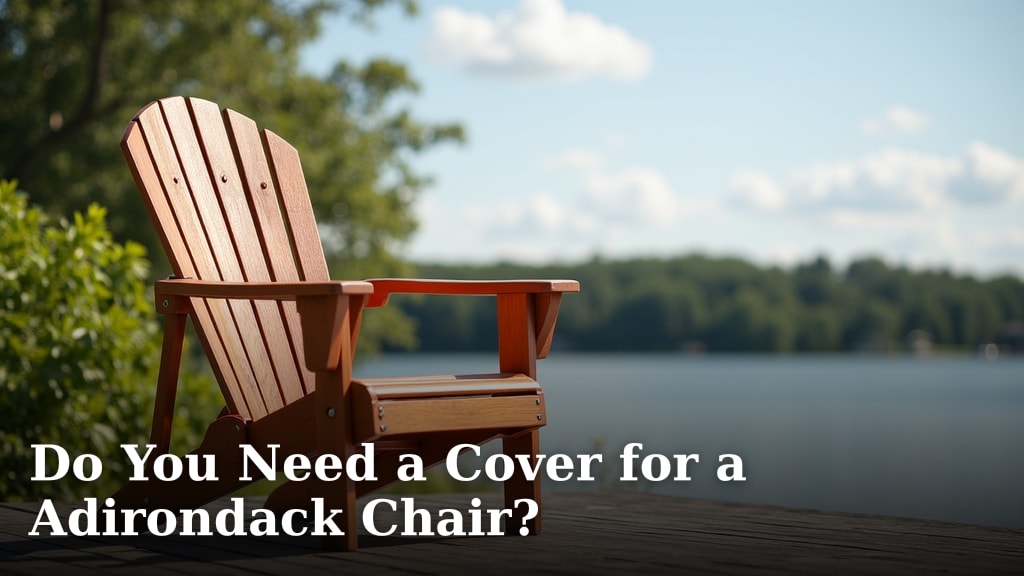
Yes, you generally need a cover for your Adirondack chair, especially if you want to protect it from the elements and extend its lifespan. Leaving your Adirondack chair uncovered can expose it to harsh sun, rain, snow, and dust, which can lead to fading, cracking, and general wear and tear.
While some materials are more durable than others, no Adirondack chair is completely immune to damage from prolonged outdoor exposure. A good cover acts as a shield, safeguarding your investment. Think of it as sunscreen for your furniture – essential for long-term beauty and function.
- Adirondack chair covers protect against sun damage and fading.
- They prevent moisture damage from rain, snow, and dew.
- Covers help keep your chair clean from dust and debris.
- Using a cover can significantly extend the life of your chair.
- It’s a simple way to maintain your chair’s appearance.
Let’s walk through why covering your Adirondack chair is a smart move and what to look for in a good cover.
Protecting Your Adirondack Chair: Why Covers Matter
So, you’ve invested in those classic, comfortable Adirondack chairs. They’re perfect for relaxing on the porch, by the lake, or in the backyard. But have you ever wondered if you really need to cover them when they’re not in use? The short answer is: yes, you absolutely should. Leaving them exposed to the elements can lead to a surprisingly fast decline in their appearance and structural integrity.
Think of your Adirondack chair as an outdoor athlete. It’s built tough, but even the toughest athletes need recovery and protection. Without a cover, your chair is constantly battling sun, rain, wind, and snow. This continuous exposure wears it down, making it look older and feel less sturdy much sooner than you’d expect. A cover acts as its protective shield, keeping it in great shape for years to come.
The Main Threats to Your Adirondack Chairs
What exactly are these outdoor elements doing to your chairs? It’s a combination of factors that, over time, cause noticeable damage. Understanding these threats helps you appreciate why a cover is such a smart investment for preserving your furniture.
Sun Damage: Fading and Weakening
The sun might seem friendly, but its ultraviolet (UV) rays are potent. Prolonged exposure to direct sunlight can cause the color of your Adirondack chair to fade significantly. This is especially true for chairs made from wood or certain plastics. Beyond just looks, UV rays can also degrade the material itself. For wood, this means it can become brittle and prone to cracking. For plastic or resin chairs, it can lead to chalking and becoming more fragile.
Imagine leaving a favorite shirt out in the sun all summer. It would fade, right? Your chair experiences the same thing. Many outdoor materials are not designed for constant, direct UV exposure without some form of protection. A cover blocks these harmful rays, keeping your chair looking vibrant and its material strong.
Moisture: The Silent Enemy
Rain, snow, dew, and even high humidity can introduce moisture to your Adirondack chairs. This moisture is a problem for several reasons. For wooden chairs, excessive water can lead to rot, mold, and mildew. These can weaken the wood and create unsightly black spots. Even if your chair is treated or sealed, repeated saturation can break down those protective layers over time.
For chairs made of other materials, moisture can still be an issue. It can cause metal parts to rust, or trap moisture within seams, leading to deterioration. Think about leaving a wet towel bunched up for days – it doesn’t end well. Your chair, exposed to consistent dampness, faces similar challenges. A cover helps keep moisture at bay, allowing the chair to stay dry and protected.
Dust, Debris, and Pests
Even on calm days, your outdoor chairs are exposed to airborne dust and dirt. Leaves, pollen, twigs, and other organic debris can accumulate, making your chairs look messy and requiring frequent cleaning. This debris can also get into cracks and crevices, becoming harder to remove and potentially trapping moisture. Furthermore, unattended outdoor furniture can sometimes become a temporary home for insects or small critters.
A cover acts like a tidy cap, keeping all of that unwanted stuff off your chair. It prevents a layer of dust from settling in, saving you the chore of constant wiping. Plus, it discourages unwelcome visitors from setting up camp. It’s a simple way to ensure your chairs are clean and ready to use whenever you are.
How Covers Protect Different Materials
Adirondack chairs come in various materials, and each benefits from a cover in slightly different ways. Understanding your chair’s material can help you choose the best protection.
Wooden Adirondack Chairs
These are perhaps the most vulnerable to the elements. Wood naturally absorbs moisture and is susceptible to UV damage. A cover is essential for preventing warping, cracking, and rot. It helps maintain the wood’s natural oils and finish, keeping it looking beautiful and structurally sound. Many wood experts recommend covering wooden outdoor furniture when not in use, especially during off-seasons (U.S. Forest Products Laboratory).
Plastic and Resin Adirondack Chairs
While often marketed as low-maintenance, plastic and resin chairs aren’t immune. UV rays can make them brittle and cause them to fade or chalk over time. Extreme temperatures can also cause them to become more fragile or warp. A cover shields them from UV rays and temperature fluctuations, extending their lifespan and keeping their color bright.
Metal Adirondack Chairs
Metal chairs, like those made of aluminum or wrought iron, can suffer from rust and corrosion, especially if they have exposed metal components or decorative elements. Even powder-coated finishes can be scratched, allowing moisture to reach the metal. A cover prevents direct contact with rain and humidity, significantly reducing the risk of rust and preserving the finish.
Wicker and Poly-Wicker Adirondack Chairs
Natural wicker can be prone to fraying, mold, and rot when exposed to moisture and sunlight. While poly-wicker (made from synthetic materials) is more durable, it can still fade and become brittle from UV exposure. A cover protects both types from environmental wear and tear, keeping them looking neat and intact.
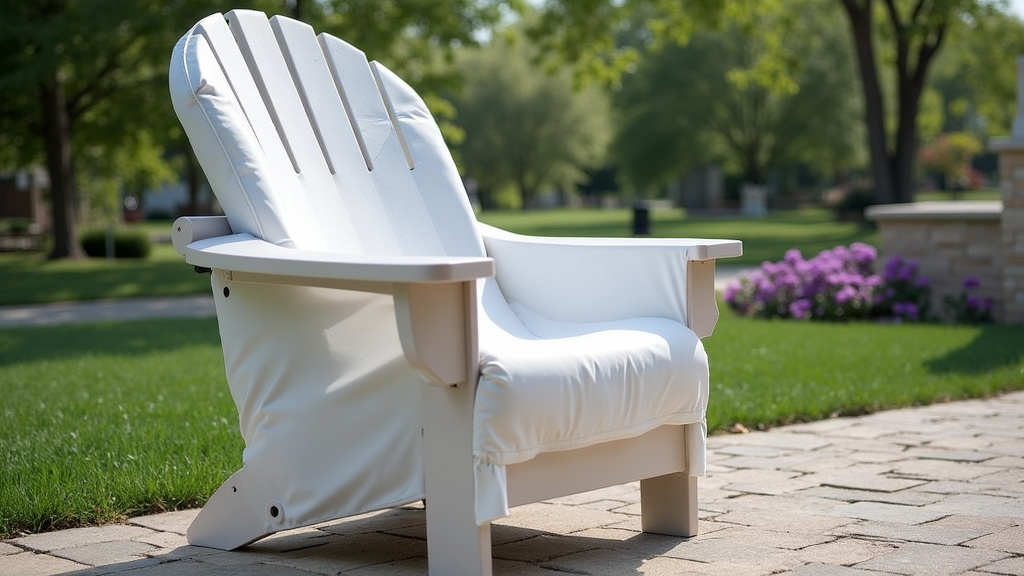
What Makes a Good Adirondack Chair Cover?
Not all covers are created equal. When you’re looking for the right one, consider these features to ensure it offers the best protection for your chairs.
Material Matters: Durability and Breathability
Look for covers made from durable, weather-resistant fabrics. Heavy-duty polyester or vinyl are common choices. These materials are designed to withstand sun, rain, and snow. However, it’s also important that the cover is somewhat breathable. Trapped moisture inside a completely sealed cover can lead to mold and mildew growth. Many high-quality covers feature vents or are made of materials that allow some air circulation.
Fit and Coverage: A Snug or Loose Fit?
The best cover will fit your Adirondack chair well. Too small, and it won’t fully cover the chair, leaving parts exposed. Too large, and it might blow off in the wind or collect water. Many manufacturers offer covers specifically sized for Adirondack chairs. Look for covers with features like elastic hems, drawstrings, or buckles that allow you to secure the cover tightly to the chair legs. This prevents it from shifting or blowing away.
Water Resistance and UV Protection
Ensure the cover explicitly states it is water-resistant or waterproof. This is crucial for protecting your chair from rain and dew. Also, check for UV-resistant treatments. This feature prevents the cover itself from degrading in the sun and, more importantly, shields your chair from those damaging rays. A good cover will mention its ability to block UV exposure.
Ease of Use and Storage
You’ll be putting the cover on and taking it off regularly, so it should be easy to handle. Look for covers that aren’t too heavy or cumbersome. When you remove the cover, you’ll want to store it somewhere. Many covers are designed to fold down compactly, making them easy to tuck away in a shed or garage when not in use.
Checklist for Choosing Your Cover
To make your selection process easier, here’s a quick rundown of what to look for:
- Durable, weather-resistant fabric (like heavy polyester).
- Waterproof or highly water-resistant material.
- UV-protective coating to shield your chair.
- A secure fit with adjustable straps or drawstrings.
- Breathable design to prevent moisture buildup.
- Sufficient coverage for your entire chair.
By taking these factors into consideration, you can select a cover that provides optimal protection and extends the life and beauty of your Adirondack chairs, ensuring many more seasons of comfortable outdoor relaxation.
Conclusion
You’ve learned that protecting your Adirondack chairs with a cover is a smart investment. From blocking harmful UV rays that fade colors to preventing moisture damage that leads to rot and rust, a cover acts as your furniture’s best defense. It keeps your chairs clean, looking great, and structurally sound, saving you money on repairs or premature replacement. When choosing a cover, prioritize durable, water-resistant materials with a secure fit. It’s a simple step that ensures your Adirondack chairs remain your favorite spot for relaxation season after season. Your next step is to measure your chairs and find the perfect cover that fits your style and budget.
Frequently Asked Questions
How often should I clean my Adirondack chair cover?
You should aim to clean your Adirondack chair cover at least once or twice a year, or whenever it looks visibly dirty. This helps maintain its protective qualities and prevents dirt from transferring to your chair. Check the manufacturer’s cleaning instructions, as most can be wiped down or hosed off easily.
Can I leave my Adirondack chairs uncovered if they are made of teak?
While teak is naturally resistant to rot and decay due to its high oil content, prolonged exposure to direct sun can still cause it to gray and potentially dry out over time. A cover will help preserve its original color and finish for longer, especially if you prefer a warmer, golden-brown look.
What if I live in a very windy area? Will a cover blow off?
Windy conditions are a key reason to use a cover with secure fastening features. Look for covers with strong drawstrings, buckles, or elastic straps that can be tightened around the chair legs. These features help to anchor the cover firmly in place, preventing it from blowing away even in strong gusts.
Do I need a different cover for winter vs. summer?
Generally, one good quality, all-weather cover will suffice for both seasons. However, ensure the cover is robust enough to handle winter elements like snow and ice if you live in a colder climate. For extreme weather, consider a heavier-duty cover designed specifically for winter storage.
Are there Adirondack chair covers that are specifically made for stacking chairs?
Yes, many manufacturers offer specialized covers designed for stacked Adirondack chairs. These covers are typically larger and shaped to accommodate multiple chairs piled together. Always measure your stacked chairs to ensure you select a cover with adequate dimensions for a proper fit.
