
How Long Does a Adirondack Chair Last?
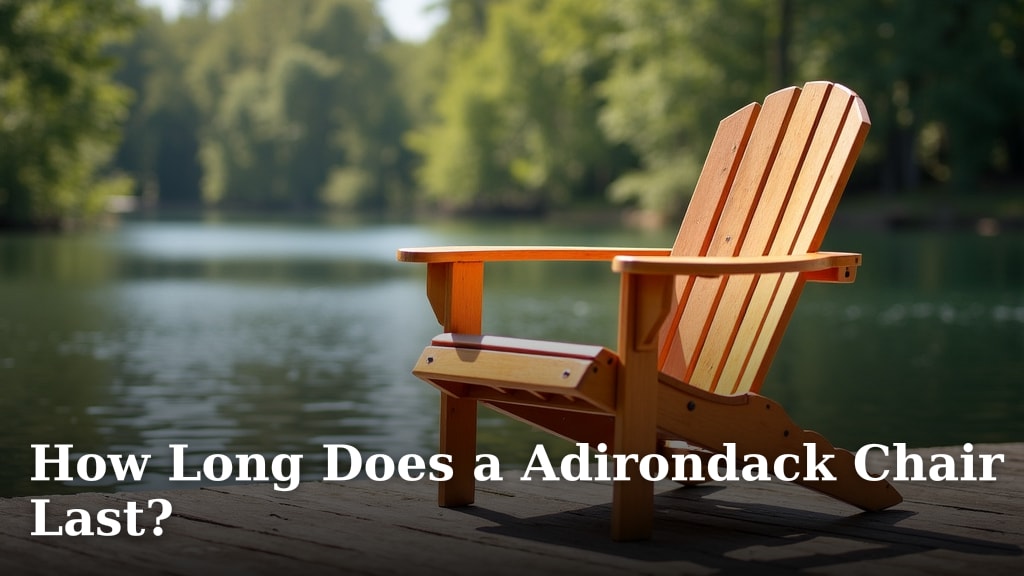
An Adirondack chair can last anywhere from 10 to 30 years, sometimes even longer. This impressive lifespan depends heavily on the material it’s made from and how well you maintain it. You’ll get the most life out of chairs built with durable woods or high-quality recycled plastic.
While wood chairs offer a classic look, they require more care to prevent decay and weathering. Recycled plastic or composite materials often boast a longer life with much less upkeep. Understanding these differences is key to choosing a chair that will be a backyard staple for Understanding these differences is key to choosing a chair that will be a backyard staple for years.decades to come.
- Adirondack chairs can last 10-30+ years.
- Material is the biggest factor (wood vs. plastic).
- Wood needs more maintenance to last.
- Plastic and composite materials offer longer life with less work.
- Proper care significantly extends your chair’s life.
Let’s break down the factors that influence how long your Adirondack chair will serve you well and what you can do to help it stand the test of time.
Understanding Your Adirondack Chair’s Lifespan
So, you’re curious about how long your Adirondack chair is likely to grace your patio or garden? You’ve come to the right place! The truth is, these iconic chairs can be surprisingly long-lived. We’re talking about potential **decades** of reliable service. But, like anything worthwhile, its longevity isn’t just about chance; it’s about the choices you make and the care you give.
The primary factor dictating how long your Adirondack chair lasts is undoubtedly its material. Think of it like choosing a car: a sturdy truck might last longer than a sporty compact if you plan on hauling heavy loads. Similarly, different materials have different strengths and weaknesses when it comes to weathering the elements and everyday use.
The Material Matters Most
When we talk about Adirondack chairs, several materials come to mind. Each has its own pros and cons regarding durability and maintenance. Understanding these differences will help you pick the right chair for your needs and know what to expect in terms of its lifespan.
Wood Adirondack Chairs
Wood chairs offer that classic, rustic charm that many people adore. However, their lifespan can vary quite a bit. You might find a well-maintained wooden chair lasting anywhere from **10 to 20 years**, but some can even push past that mark.
The type of wood is critical here. Hardwoods like teak, cedar, and cypress are naturally more resistant to rot, decay, and insect damage. Teak, in particular, is known for its exceptional durability and weather resistance, often commanding a higher price but offering a longer life. Cedar and cypress also stand up well to the elements, though they might require a bit more attention over time. Teak, in particular, is known for its exceptional durability and weather resistance, often commanding a higher price but offering a longer life.
Softer woods like pine or fir are more budget-friendly initially. However, they are more susceptible to moisture and pests. Without proper sealing and regular maintenance, these chairs might only last **5 to 10 years**, sometimes less, especially in humid or wet climates.
Recycled Plastic & Composite Adirondack Chairs
If you’re looking for a chair that practically begs you to relax and forget about upkeep, then recycled plastic or composite materials are your best bet. These chairs are engineered for **maximum durability and minimal maintenance**. We often see these types of chairs lasting **15 to 30 years, and even up to 50 years** in some cases!
These materials are non-porous, meaning they don’t absorb water. This makes them highly resistant to rot, mold, mildew, and insect infestations. They also hold up exceptionally well against sun exposure, resisting fading and cracking that can plague wood over time. Many are made from recycled plastics, which is a great environmental plus.
Composite chairs are a blend of plastic and wood fibers. They aim to combine the look of wood with the durability of plastic. While they are generally very long-lasting, the exact composition can influence their performance. A higher plastic content usually means greater longevity and less maintenance.
| Material Type | Typical Lifespan | Maintenance Required | Pros | Cons |
|---|---|---|---|---|
| Teak Wood | 15-25 Years | Annual sealing/oiling, cleaning | Naturally beautiful, very durable, weather-resistant | Expensive, heavy, requires upkeep |
| Cedar/Cypress Wood | 10-20 Years | Sealing, cleaning, occasional sanding | Naturally rot-resistant, pleasant aroma | Softer than teak, can dent/scratch |
| Pine/Fir Wood | 5-10 Years | Regular sealing, painting, cleaning | Affordable, lightweight | Prone to rot/insects, requires frequent maintenance |
| Recycled Plastic/HDPE | 20-50+ Years | Occasional cleaning with soap and water | Extremely durable, weather-proof, fade-resistant, low maintenance, eco-friendly | Can be heavy, limited color options sometimes, initial cost higher than basic wood |
| Composite (Wood-Plastic) | 15-30 Years | Occasional cleaning | Durable, weather-resistant, wood-like appearance | Can be expensive, quality varies by brand |
The Role of Climate and Environment
Where you live plays a surprisingly big role in how long your Adirondack chair will last. The harshness of your local climate is a significant environmental factor. You might get more mileage out of your chair if you live in a mild, dry area.
Sun Exposure
Constant, intense sun can be tough on any material. For wood chairs, UV rays can dry out the wood, leading to cracking and fading. Over many years, this can weaken the structure. Plastic chairs are generally more resistant to UV damage, but prolonged exposure to extreme heat and sun can still cause some fading or brittleness over time.
Moisture and Humidity
This is a big one, especially for wooden chairs. High humidity and frequent rain create the perfect conditions for mold, mildew, and rot to set in. Wood absorbs moisture, which causes it to swell and contract, stressing the joints and materials. Plastic and composite chairs fare much better in damp environments because they don’t absorb water.
Temperature Fluctuations
Extreme temperature swings, from scorching hot summers to freezing winters, can also take a toll. Materials expand and contract with temperature changes. Over time, these cycles can loosen joints, cause finishes to crack, or even warp the material itself. Chairs left outside year-round in regions with harsh winters will generally have a shorter lifespan than those stored indoors during the cold months.
Maintenance: Your Chair’s Best Friend
Even the most durable chair benefits from a little TLC. How you care for your Adirondack chair is arguably as important as the material it’s made from. Consistent, simple maintenance can add years to its life.
For Wooden Chairs
If you’ve opted for a beautiful wooden Adirondack chair, think of it like caring for your own skin – it needs protection! Regular cleaning is essential. Wipe it down periodically to remove dirt, dust, and pollen.
Sealing and Staining are your best defense against the elements. For woods like cedar or cypress, an annual application of a good quality sealer or stain will help repel water and block UV rays. This keeps the wood from drying out and cracking. If your chair is painted, inspect the paint annually for chips or peeling. Touch up any worn areas promptly to prevent moisture from reaching the wood underneath.
Storage during harsh weather is a game-changer. If you live in an area with heavy snow or prolonged rainy seasons, consider storing your wooden chair indoors. A garage, shed, or even a covered porch can make a huge difference in protecting it from extreme conditions.
For Plastic and Composite Chairs
The beauty of plastic and composite Adirondack chairs is their low maintenance needs. You probably won’t need to seal, stain, or paint them. Cleaning is usually all that’s required.
A simple wash with mild soap and water a few times a year should keep them looking great. For tougher grime, a gentle brush can help. Avoid using abrasive cleaners or harsh chemicals, as these can sometimes dull the finish or damage the material.
While they are tough, even these chairs can benefit from being kept somewhat clean. Bird droppings or sap can etch into the surface if left too long. A quick wipe-down is often all it takes to prevent stubborn stains.
Your Adirondack Chair Care Checklist
Ready to give your chair the best chance at a long and happy life? Here’s a quick rundown of what you can do:
- Identify your chair’s material to understand its specific needs.
- Clean it regularly, regardless of the material.
- Protect wood chairs with sealants or paint; reapply as needed.
- Store wooden chairs during extreme weather seasons if possible.
- Inspect chairs periodically for any signs of wear, damage, or loose joints.
- Use furniture covers if chairs will be left outdoors year-round.
By understanding the factors that influence your Adirondack chair’s durability and committing to a bit of consistent care, you can ensure it remains a comfortable and stylish spot to unwind for many, many years to come. It’s an investment in relaxation, and a little effort now means more lounging later!
Conclusion
Your Adirondack chair can be a backyard fixture for decades, but it’s not magic! We’ve seen that the material you choose is the biggest driver of its lifespan, with high-quality plastics and dense hardwoods like teak leading the pack. Equally important is the care you give it. Regular cleaning and protection for wood, or a simple rinse for plastic, keeps your chair looking great and resisting the elements. Don’t forget that your local climate plays a role too. Now that you know what to look for and how to maintain it, take a moment to assess your current chair or plan your next purchase with this knowledge. You’re ready to ensure your Adirondack chair provides comfort for years to come!
Frequently Asked Questions
How often should I clean my Adirondack chair?
For wooden chairs, clean them annually before applying sealant or stain, and spot-clean any spills immediately. Plastic or composite chairs only need a good wash with soap and water once or twice a year, or as needed to remove dirt and grime.
Can I leave my wooden Adirondack chair outside all year?
While some hardwoods can withstand the elements for a time, it’s best to avoid leaving wooden chairs outside year-round, especially in harsh climates with snow or heavy rain. Storing them indoors during extreme weather will greatly extend their life.
Will direct sunlight damage my Adirondack chair?
Yes, prolonged direct sunlight can affect both wood and plastic chairs. For wood, it can cause fading and drying, leading to cracks. For plastic, it might cause some fading or brittleness over many years. Using furniture covers can help mitigate this damage.
What’s the difference between recycled plastic and composite Adirondack chairs?
Recycled plastic chairs are made purely from recycled plastic materials like HDPE, offering excellent durability and weather resistance. Composite chairs are a blend of plastic and wood fibers, aiming for a wood-like look with enhanced durability compared to solid wood.
Is a more expensive Adirondack chair always going to last longer?
Generally, chairs made from premium materials like teak or high-density recycled plastic will have a longer lifespan and come with a higher price tag. However, the highest cost doesn’t always guarantee longevity; proper maintenance of even a more affordable material will still lead to a longer life.
