
Do You Need a Cover for a Patio Conversation Set?
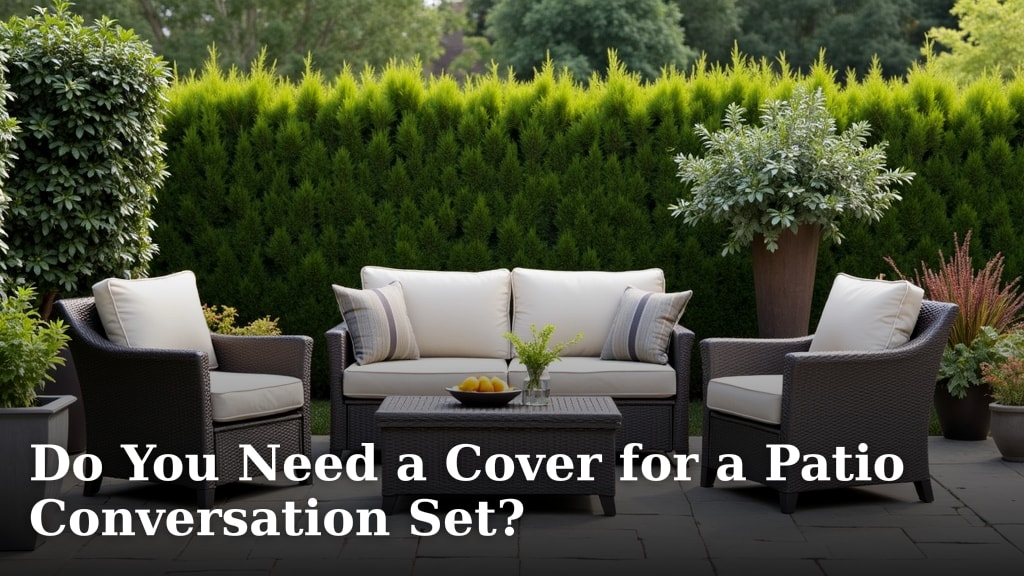
Yes, you generally need a cover for your patio conversation set, especially if you want it to last. A good cover will protect your furniture from harsh weather like rain, snow, and intense sun. This helps prevent fading, rust, and material breakdown, keeping your set looking its best.
When you invest in a nice patio set, you want to keep it in top shape. Leaving it uncovered can lead to costly repairs or even replacement much sooner than expected. Think of it as an affordable insurance policy for your outdoor comfort.
- Covers protect furniture from rain, snow, and sun.
- This prevents fading, rust, and material damage.
- Covers extend the life of your patio set.
- They are a cost-effective way to maintain furniture.
- Choosing the right cover is important for effectiveness.
Below, we’ll walk through why covering your patio conversation set is such a good idea and what to look for in a cover.
Protecting Your Patio Seating: Why Covers Are Essential
So, you’ve picked out the perfect patio conversation set. It’s comfortable, stylish, and ready for those lazy weekend mornings and lively evening gatherings. Now, what about keeping it that way? The honest answer is, yes, you absolutely should cover your patio conversation set.
Think of your outdoor furniture like any other investment. You wouldn’t leave your car out in a hailstorm without a cover, right? Your patio set deserves similar protection. Exposure to the elements can drastically shorten its lifespan and dull its charm.
Weather’s Toll on Your Furniture
The great outdoors can be, well, tough on furniture. Rain, snow, intense sun, wind – they all play a part in degrading your patio set. We found that even seemingly minor things like dew can lead to mildew over time.
The Sun’s Damaging Rays
UV rays are the silent assassins of outdoor furniture. They can fade colors on fabrics and painted surfaces. For wooden sets, the sun can dry out the wood, leading to cracking and splintering. Even metal can get hot enough to damage cushions.
Moisture: The Hidden Enemy
Rain and snow are obvious culprits. Water can seep into cushions, leading to mold and mildew. For metal furniture, moisture is a direct path to rust and corrosion. This can weaken the structural integrity of your set.
Wind and Debris
Strong winds can blow dirt, leaves, and other debris onto your furniture. This can be abrasive, scratching surfaces. In severe winds, lightweight furniture can even be blown over, causing damage.
Extending the Life of Your Investment
Covering your patio conversation set is a smart way to maximize its longevity. We found that furniture left uncovered often shows significant wear and tear within a few seasons.
A good cover acts as a barrier. It keeps the worst of the weather away. This means fewer repairs and less need for replacement. Your set will look newer for longer, saving you money and hassle. Many experts suggest this is the single best defense against premature wear.
Types of Outdoor Furniture and Their Needs
Different materials respond differently to the elements. Understanding your set’s material can help you appreciate why covering it is so important.
Wicker and Rattan
Natural wicker and rattan are beautiful but susceptible to moisture. They can become brittle and break down if constantly exposed to rain and humidity. Synthetic wicker is more durable but can still fade in the sun and become brittle over time.
Metal (Aluminum, Wrought Iron, Steel)
Aluminum is rust-resistant but can still oxidize, leaving a chalky residue. Wrought iron and steel are prone to rust if the protective coating is scratched or damaged. Heavy rain can accelerate this process.
Wood (Teak, Cedar, Pine)
Wood furniture needs regular sealing and maintenance. Without protection, it can crack, warp, and rot. The sun can dry it out, while rain can cause swelling and degradation. High-quality hardwoods like teak are more naturally resistant, but still benefit from protection.
Fabric (Cushions and Upholstery)
Outdoor fabrics are designed to withstand some weather, but they aren’t invincible. Prolonged exposure to sun can fade colors. Moisture can lead to mildew and stains, especially if cushions aren’t able to dry out completely. We found that quick-drying foams help, but a cover is still the best bet.
What Makes a Good Patio Furniture Cover?
Not all covers are created equal. Choosing the right one is key to effective protection. You want something that fits well and is made from durable materials.
Material Matters: Durability and Protection
Look for covers made from heavy-duty, waterproof, or water-resistant materials. Polyester and vinyl are common choices.
Waterproof vs. Water-Resistant
Waterproof covers completely block water. They are ideal for areas with frequent heavy rain or snow. However, they can sometimes trap moisture, leading to mildew if not designed with ventilation. Many guidelines suggest looking for covers with built-in vents.
Water-resistant covers repel water to a degree but may allow some moisture through during prolonged downpours. They often breathe better, which can be good for preventing mold and mildew.
UV Protection
Some covers offer built-in UV inhibitors. This is crucial for preventing color fading and material breakdown from the sun’s rays. We found that covers explicitly stating UV protection perform better in sunny climates.
Breathability
A cover that allows air to circulate is important. This helps prevent condensation from building up inside, which can lead to mold and mildew. Look for covers with built-in vents or breathable fabrics.
Fit and Features: Ensuring Coverage
A cover that’s too loose or too tight won’t offer optimal protection. You want a snug, secure fit.
Sizing Your Cover
Measure your conversation set carefully. Consider the width, depth, and height. Many covers are designed for specific types of furniture (e.g., loveseat, chair, table). Some are universal but might not fit perfectly.
Fastening and Securing
Look for features that help keep the cover in place, especially in windy conditions. This includes drawstrings, buckles, or elastic hems. Straps that clip onto furniture legs are particularly effective. We found that covers with multiple fastening points are more secure.
Ease of Use
Consider how easy the cover is to put on and take off. Handles or lightweight materials can make this task simpler. You don’t want covering your furniture to feel like a chore you’ll avoid.
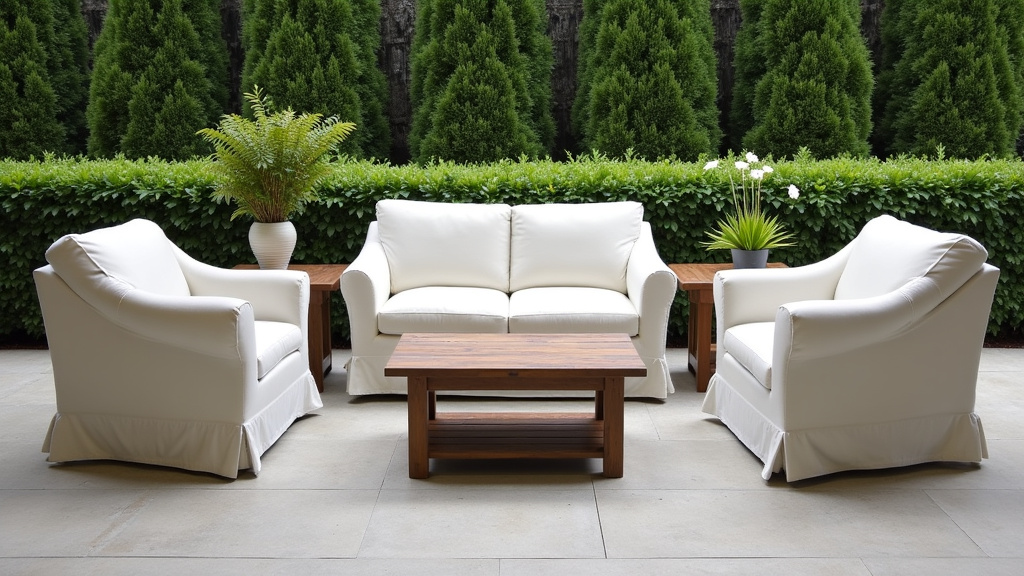
The Long-Term Benefits: A Smart Investment
Investing in a quality cover is about more than just aesthetics. It’s about protecting your furniture and ensuring you get the most out of your outdoor living space for years to come.
Cost Savings Over Time
While buying a cover is an upfront cost, it pales in comparison to the cost of replacing a damaged patio set. We found that furniture can last decades with proper care and covering.
Maintaining Your Furniture’s Appearance
A covered set looks better. It’s ready to use when you want it to be, without needing a thorough cleaning or repair first. This enhances your enjoyment of your patio.
Environmental Considerations
By extending the life of your furniture, you reduce waste. This means fewer items ending up in landfills. It’s a small step that contributes to a more sustainable lifestyle.
Here’s a quick checklist to help you choose the right cover:
- Measure your furniture accurately.
- Prioritize waterproof or highly water-resistant materials.
- Look for UV protection for sunny climates.
- Ensure good ventilation with built-in vents.
- Check for secure fastening options like buckles or straps.
- Consider ease of use and storage when not in use.
Conclusion
You’ve seen how much your patio conversation set needs protection. From sun fading to moisture damage, the elements can take a serious toll. Covering your furniture isn’t just about keeping it clean; it’s about preserving your investment. A good cover acts as a shield, extending the life of your set and keeping it looking its best. This means more enjoyable outdoor moments for you and your family without the worry of constant repairs or early replacement.
Take action today: Measure your set and find a quality cover that fits well. It’s a simple step that pays off immensely over time.
Frequently Asked Questions
Can I just bring my cushions inside and leave the frame out?
While bringing cushions inside helps, leaving the frame exposed can still cause damage. Metal can rust, and even sturdy materials can degrade over time from sun and moisture. We found that a full cover offers the most comprehensive protection for your entire conversation set.
How often should I remove the cover to let the furniture air out?
It’s a good idea to remove covers periodically, especially after heavy rain or during dry spells, to allow air circulation. This helps prevent trapped moisture that can lead to mold or mildew. Look for covers with built-in vents to aid breathability even when covered.
Will a cover prevent my metal furniture from rusting?
A good quality, waterproof cover will significantly reduce rust on metal furniture. It acts as a barrier against rain and dew. However, for metal with existing scratches or compromised coatings, some minor oxidation might still occur if moisture gets trapped.
What if I live in a very windy area? Will a cover blow away?
Wind can be a challenge, but many modern covers come with features to prevent this. Look for covers with strong drawstrings, buckles, or straps that can be secured to the furniture legs. We found that covers with multiple fastening points offer the best security against strong winds.
How do I know if my cover is waterproof enough?
Look for covers explicitly labeled as “waterproof” and made from materials like heavy-duty polyester with a PVC or polyurethane coating. Water-resistant covers repel water but might not withstand prolonged, heavy downpours as effectively. Check product descriptions for details on hydrostatic head ratings if available.
