
How to Fix a Scratched Outdoor Sofa?
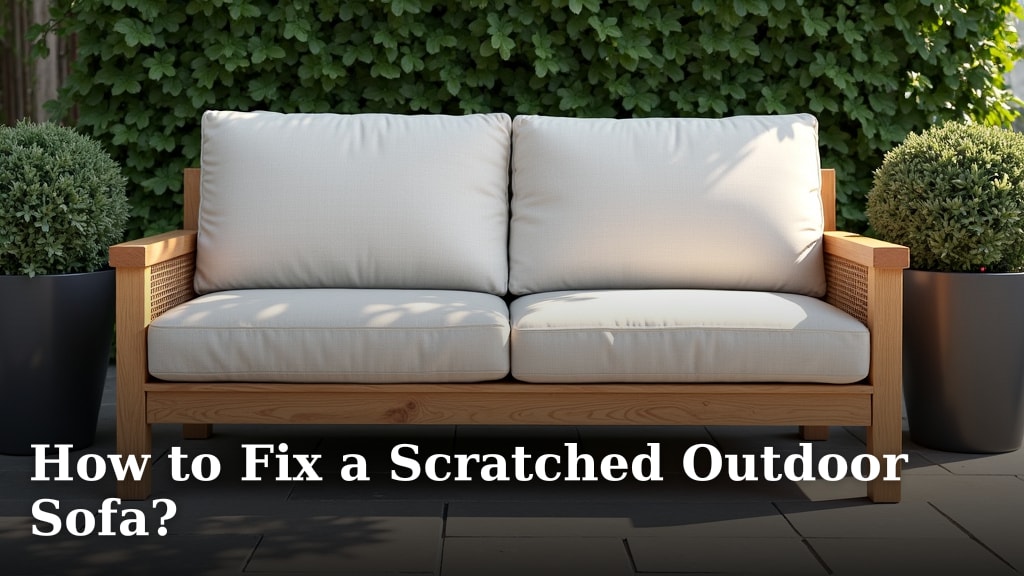
You can fix scratches on your outdoor sofa with a few simple steps. Often, it involves cleaning the area thoroughly, then using a repair product matched to the material. For many common materials, a specialized repair kit or a DIY solution can make those unsightly marks disappear. Don’t let a scratch ruin your patio vibe!
Outdoor furniture sees a lot of action. Sunlight, rain, and everyday use can take their toll. Finding out how to fix a scratched outdoor sofa means you can keep your seating looking its best. Many types of damage are surprisingly easy to repair with the right approach, saving you money and hassle.
- Clean the scratched area well.
- Match repair products to your sofa’s material.
- Test repair solutions in an inconspicuous spot.
- Apply the repair product carefully.
- Allow ample drying time before use.
Ready to give your outdoor sofa a little TLC? Let’s walk through the best ways to tackle those scratches and get your furniture looking great again.
“`htmlRestoring Your Outdoor Sofa’s Beauty After Scratches
Don’t let scratches on your outdoor sofa cramp your style. You can often fix these marks with a few common household items or readily available repair kits. It’s all about identifying the material and using the right technique. We’ll guide you through the best methods for different sofa types.
Understanding Your Sofa’s Material is Key
Before you grab any cleaning spray or repair putty, it’s important to know what your sofa is made of. Different materials react differently to cleaning agents and repair products. Using the wrong product can sometimes make the scratch worse, or even damage the surrounding area. Take a moment to identify your sofa’s primary material.
Common Outdoor Sofa Materials
- Wicker/Rattan: This can be natural or synthetic. Synthetic wicker is more durable and easier to repair.
- Metal: Aluminum, wrought iron, or steel frames can get scratched.
- Wood: Teak, cedar, or other wood types need specific wood care.
- Fabric: Cushions and upholstered sections can snag or tear.
- Plastic/Resin: Common in budget-friendly options, these can show scratches easily.
Once you know your material, you can choose the most effective repair strategy. This step ensures your efforts are focused and successful. It’s like going to the doctor – you need to know what’s ailing you before you can get the right medicine!
Step 1: Thorough Cleaning for the Best Results
Cleaning is the absolutely essential first step for any repair. You need a clean surface for any repair product to adhere properly. Dirt, dust, and grime can get ground into the scratch, making it look worse. It can also prevent your repair from sticking correctly.
General Cleaning Technique
For most outdoor sofa materials, a mild soap and water solution works wonders. Mix a few drops of dish soap with a gallon of warm water. Use a soft cloth or sponge to gently wipe down the scratched area. Avoid harsh scrubbing, which can expand the damage. Rinse the area thoroughly with clean water. Then, let it air dry completely. This might take a few hours, depending on humidity.
Specific Material Cleaning Tips
- Wicker: Use a soft brush to get into crevices. Avoid soaking natural wicker.
- Metal: A gentle degreaser can help with greasy marks on metal frames.
- Wood: Use wood-specific cleaners. Test any cleaner on an unseen spot first.
- Fabric: Check the care tag for cleaning instructions. Many outdoor fabrics can be spot-cleaned with mild soap.
- Plastic/Resin: A simple wash with soap and water is usually sufficient.
A clean canvas allows you to see the true extent of the scratch. It also prepares the surface for the repair material. Skipping this step is like trying to paint over dirt – it just won’t look good. Proper cleaning sets you up for success!
Repairing Scratches Based on Sofa Material
Now that your sofa is clean and dry, it’s time to tackle those scratches. The method will depend heavily on the material of your sofa. We’ve broken down the most common scenarios for you.
Fixing Scratches on Wicker and Rattan
Synthetic wicker is quite forgiving. For minor scratches on synthetic wicker, sometimes a bit of heat can help. You can use a hairdryer on a low setting to gently warm the plastic. Then, use a smooth object, like the back of a spoon, to carefully smooth down any raised edges of the scratch. Be very careful not to melt the material. For synthetic wicker, a hairdryer can help smooth minor scratches.
For deeper gouges or damage to the weave, a wicker repair kit might be necessary. These kits often come with a matching colored filler or a piece of matching wicker you can weave in. If you can’t find a kit, you might be able to use a strong, clear adhesive designed for plastics. Apply it carefully into the scratch with a toothpick. Wipe away any excess immediately. For natural wicker, repairs are trickier and may require professional restoration for best results.
Restoring Scratched Metal Sofa Frames
Metal frames can get scratched from bumps or weather. For minor scratches on painted metal, you can often use a touch-up paint pen. Find a pen that matches your sofa’s color as closely as possible. Clean the scratch well. Then, apply the paint pen carefully, following the manufacturer’s instructions. You might need a couple of thin coats.
For deeper scratches or rust spots on iron or steel, you’ll need to do a bit more work. Lightly sand the scratched area to remove any loose paint or rust. Clean the dust away. Apply a rust-inhibiting primer, let it dry, then apply matching paint. For aluminum, which doesn’t rust, sanding and painting is still a good option for visible scratches.
Repairing Scratched Wood Outdoor Furniture
Wooden outdoor furniture scratches can be addressed with wood repair products. For small nicks and scratches, a wood repair crayon or putty is often effective. Choose a color that matches your wood tone. Apply the crayon or putty firmly into the scratch, then buff away any excess with a soft cloth. It fills the void and hides the mark.
If the wood is dull or the scratch has removed some finish, you might need to reapply a wood finish. Clean the area, then lightly sand it. Apply a stain or sealant that matches your furniture’s existing finish. Many experts suggest using outdoor-specific finishes to protect against the elements (National Wood Flooring Association).
For deeper scratches or damage, consider a wood filler. Apply it according to the product directions. Once dry, sand it smooth and then refinish the area to match. Patience is key here. You want the repair to blend in as naturally as possible.
Addressing Scratches on Outdoor Sofa Fabric and Cushions
Fabric scratches, often appearing as snags or small tears, require a gentler approach. For minor snags, you might be able to gently pull the snagged threads back into place with tweezers. Avoid cutting the threads, as this can cause more unraveling.
If the fabric is slightly frayed, a fabric repair pen or fabric glue designed for outdoor use can help. Apply a small amount along the frayed edge to prevent further damage. For small holes or tears, fabric patches designed for outdoor upholstery can be applied. Ensure the patch material is weather-resistant.
Sometimes, the simplest solution is to replace the cushion cover if the damage is extensive. Many outdoor furniture brands sell replacement covers or cushions separately. This can be a cost-effective way to refresh your sofa’s appearance without buying entirely new furniture.
Fixing Scratches on Plastic and Resin Sofas
Plastic and resin outdoor furniture can be prone to visible scratches. For light scratches, you can often use a plastic polish or even a bit of car wax. Apply a small amount to a soft cloth and rub it into the scratch. Buff it out. This can help to fill in and hide minor abrasions.
For deeper scratches, you might consider a plastic repair kit. Some kits include a colored filler that you can apply to the scratch. Once cured, you can often sand and polish the area to a smooth finish. Always test these products in an inconspicuous area first. You want to ensure they don’t discolor or damage the plastic.
A Quick Checklist for Your Sofa Scratch Repair
To make sure you’ve got all your bases covered, here’s a handy checklist:
- Identify your sofa’s material correctly.
- Clean the scratched area thoroughly with mild soap and water.
- Choose a repair product suitable for your specific material.
- Test the repair product on a hidden spot first.
- Apply the repair carefully, following product instructions.
- Allow ample drying time before using the sofa again.
Following these steps will help you achieve the best possible outcome. You’ll be enjoying your beautifully restored outdoor sofa in no time!
Conclusion
You’ve learned how to tackle those annoying scratches on your outdoor sofa. Remember, the key is always to identify your material and use the right cleaning and repair products. Whether it’s a quick fix with a crayon for wood or a careful touch-up on metal, you have the power to restore your furniture. Don’t let small blemishes detract from your outdoor oasis. Take a moment to gather your supplies, follow the steps, and enjoy your refreshed outdoor seating!
Frequently Asked Questions
Can I fix deep scratches on my outdoor sofa?
For deep scratches, especially on wood or plastic, you might need a filler product. Wood fillers or plastic repair kits can fill these deeper voids. Always follow the product instructions carefully. You may need to sand and refinish the area to match your sofa’s original look.
What’s the best way to clean my outdoor sofa before repairing it?
Start with a simple solution of mild dish soap and warm water. Use a soft cloth or sponge to gently clean the scratched area. Avoid harsh scrubbing, which can worsen the damage. Always rinse thoroughly with clean water and allow the sofa to air dry completely before attempting any repairs.
Will heat damage my synthetic wicker sofa if I use a hairdryer?
Using a hairdryer on a low setting can help smooth minor scratches on synthetic wicker. The trick is to use it briefly and from a safe distance. You want to gently warm the plastic, not melt it. Always keep the hairdryer moving and test on an inconspicuous spot first.
How can I prevent future scratches on my outdoor sofa?
Regular maintenance is key. Keep your sofa clean and dry when possible. Consider using furniture covers when the sofa isn’t in use, especially during harsh weather. Be mindful of sharp objects or pets that might cause damage. Protecting your sofa can save you repair work later.
What if the repair color doesn’t match my sofa perfectly?
It’s common for repair colors to be slightly off. If the match isn’t perfect, look for touch-up paint or stain that can be layered. You can often find products that allow for custom mixing. If the difference is still noticeable, a decorative cushion can help cover the area.
