Can You Wash Outdoor Cushion Covers in a Machine?
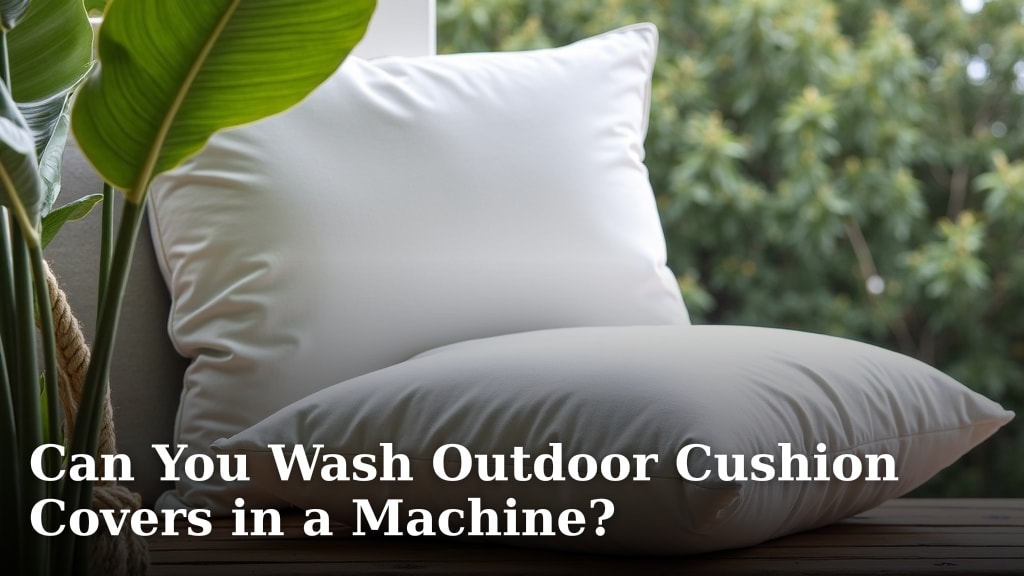
Yes, you can wash outdoor cushion covers in a machine, but you need to follow some specific steps. Not all covers are created equal, so knowing your fabric is key. Doing it right will help keep your cushions looking fresh and extend their life.
Before tossing them in, always check the care tag on your cushion covers. This tag gives important instructions for cleaning. Ignoring it can lead to damage, like shrinking or fading, which nobody wants for their patio furniture investment.
- Always check the care tag first.
- Most outdoor cushion covers are machine washable.
- Use cold water and a gentle cycle.
- Air dry to prevent shrinking or damage.
- Pre-treat stubborn stains before washing.
Let’s walk through exactly how to machine wash your outdoor cushion covers, ensuring they come out clean and ready for your next sunny day.
Cleaning Outdoor Cushion Covers: The Right Approach
So, you’re ready to tackle those outdoor cushion covers. Great! Many people wonder if their covers can handle a machine wash. The good news is, most outdoor cushion covers are designed to be quite durable and can be machine washed, but there are a few important steps to ensure you don’t accidentally ruin them. Getting this right means your outdoor space stays beautiful longer.
Always Check the Care Label First
Think of the care label as your cushion cover’s instruction manual. Before you do anything else, locate this tag. It’s usually sewn into an inside seam. This little tag holds all the secrets to proper cleaning. Ignoring it is like trying to assemble furniture without looking at the directions – you might end up with something wonky!
Decoding Common Care Symbols
Care labels often use symbols instead of words. These can look a bit like a secret code. But don’t worry, they’re pretty easy to understand once you know what to look for. We found that understanding these symbols is essential for successful washing.
- A tub with water means “wash.”
- The number inside the tub tells you the maximum water temperature.
- A single line under the tub means “permanent press cycle,” and two lines mean “gentle cycle.”
- A crossed-out tub means “do not wash.”
- A square with a circle means “tumble dry.”
- A square with a horizontal line means “flat dry.”
- A square with a curved line means “line dry.”
- A triangle means “bleach.” A crossed-out triangle means “do not bleach.”
If you see “dry clean only,” then unfortunately, your cushion covers are not meant for your washing machine. Most outdoor covers, however, are made to be more low-maintenance than that.
Pre-Treatment: Your First Line of Defense Against Stains
Before you even think about putting your covers in the washing machine, take a good look at them. Are there any visible stains? Dirt, mildew, food spills? Addressing these spots beforehand can make a huge difference in the final result. Pre-treating is key for stubborn marks.
Tackling Mildew and Mold
Outdoor cushions are often exposed to moisture, making them a prime target for mildew. You know that musty smell and those little black spots? That’s mildew. It’s unsightly and can be tough to get rid of if not handled correctly. Many experts say a solution of vinegar or a mild bleach solution can work wonders here (EPA).
- For mildew spots, mix one part white vinegar with one part water in a spray bottle.
- Spray the affected area generously and let it sit for about 15 minutes.
- Alternatively, a small amount of oxygen-based bleach (not chlorine bleach, which can damage colors) mixed with water can also be effective. Always test in an inconspicuous area first!
- Gently scrub with a soft brush, then rinse well.
Dealing with General Grime and Food Stains
For everyday dirt, mud, or food spills, a simple approach usually works. Don’t let these stains sit too long, as they become harder to remove over time. We found that immediate action prevents bigger cleaning headaches later.
- Scrape off any solid debris with a dull knife or spoon.
- Dab, don’t rub, the stain with a clean cloth. Rubbing can push the stain deeper into the fabric.
- Apply a small amount of laundry detergent directly to the stain.
- Let it soak for 10-15 minutes.
- For oil-based stains, a degreasing dish soap can sometimes be more effective.
Preparing Your Covers for the Wash Cycle
You’ve checked the label, you’ve pre-treated the stains. Now your covers are almost ready for their spin cycle spa day. But there are a couple more steps to take to protect both the covers and your washing machine.
- Remove inserts: Make absolutely sure all foam or fiber inserts are taken out. You’re only washing the fabric cover. Washing the inserts can damage them and make them very hard to dry completely, leading to mildew inside.
- Close zippers and fasteners: Zip up all zippers and fasten any ties or Velcro straps. This prevents them from snagging other items or getting damaged during the wash. It also helps the cover maintain its shape.
Choosing the Right Detergent and Water Temperature
This is where you make critical decisions that impact the longevity and appearance of your cushion covers. The wrong choice can lead to fading, shrinking, or residue. You want them to come out looking refreshed, not distressed!
Detergent Selection
Think “gentle” when choosing your detergent. Harsh chemicals can strip protective coatings or fade colors. We always recommend a mild option.
- Use a mild liquid laundry detergent. Powders might not dissolve completely and can leave residue.
- Avoid detergents with bleach or strong stain removers unless specifically recommended for your fabric type and color.
- Opt for a detergent designed for delicate items if you have them.
Water Temperature Settings
This is crucial. Hot water can cause shrinkage and color fading, especially on synthetic fabrics common in outdoor cushions. You wouldn’t want your favorite cushion cover to suddenly fit a doll’s chair, right?
- Always use cold water. This is generally the safest bet for almost all outdoor fabrics.
- Cold water helps preserve colors and prevents shrinkage.
- It also uses less energy, which is a nice bonus for your utility bill and the environment.
Selecting the Washing Machine Cycle
Just like water temperature, the cycle you choose matters. You’re not washing heavy-duty towels here. Gentle is the name of the game for cushion covers.
- Go for the “delicate” or “gentle” cycle on your washing machine.
- If your machine has a “hand wash” cycle, that’s an excellent option too.
- These cycles use less agitation, which protects the fabric from wear and tear.
Drying Your Outdoor Cushion Covers Properly
The drying process is just as important as washing. Tossing them in a hot dryer is a common mistake that can lead to irreversible damage. Air drying is almost always the best method.
Why Air Drying is Best
High heat from a dryer can cause outdoor cushion covers to:
- Shrink: Making them impossible to fit back onto the inserts.
- Fade: Especially if they have vibrant colors.
- Damage protective coatings: Many outdoor fabrics have a water-resistant finish that can be compromised by heat.
- Develop wrinkles: Which can be hard to remove from synthetic fabrics.
Effective Air Drying Techniques
Here’s how to air dry your covers for the best results:
- Remove immediately: As soon as the wash cycle finishes, take the covers out of the machine. This prevents creasing and mildew from forming.
- Shake and smooth: Give each cover a good shake to remove excess water and smooth out any major wrinkles.
- Hang or lay flat:
- Hang them on a clothesline or a sturdy drying rack. Make sure there’s good air circulation.
- If hanging isn’t an option, lay them flat on a clean, dry surface.
- Dry in the shade: Avoid direct sunlight, which can cause fading. A breezy, shaded spot is ideal.
- Ensure complete dryness: This is critical. Any lingering moisture can lead to mildew and a musty smell once you put the inserts back in. Feel for damp spots, especially along seams.
Drying might take several hours, or even a full day, depending on humidity and air circulation. Patience is a virtue here!
When to Consider Hand Washing (Or Professional Cleaning)
While machine washing is generally fine, there are times when you might want to consider an alternative. It’s about choosing the least aggressive method that still gets the job done.
Delicate or Heavily Embellished Covers
If your cushion covers have delicate details, intricate stitching, or specific embellishments, a machine wash might be too harsh. Imagine those beautiful tassels getting tangled! In such cases, hand washing is a gentler option.
- Fill a large basin or tub with cool water and a small amount of mild detergent.
- Submerge the cover and gently agitate it by hand.
- Let it soak for 15-30 minutes.
- Rinse thoroughly with clean, cool water until all soap is gone.
- Gently squeeze out excess water (don’t wring!), then air dry as described above.
“Dry Clean Only” Labels or Persistent Problems
If the care label explicitly states “dry clean only,” then please follow that instruction. Trying to machine wash these could cause irreparable damage. Also, if you’ve tried machine washing and the stains or issues persist, a professional cleaner might have specialized techniques or products that can help. Sometimes, it’s worth the extra cost for peace of mind.
Your Outdoor Cushion Cover Cleaning Checklist
Here’s a quick recap to ensure your outdoor cushion covers get the VIP treatment they deserve. Follow these steps, and you’ll have fresh, clean cushions ready for countless sunny days.
- Check the care label for specific instructions.
- Remove all cushion inserts before washing.
- Pre-treat any visible stains (mildew, food, dirt).
- Zip up zippers and secure fasteners.
- Use a mild liquid detergent.
- Wash on a gentle cycle with cold water.
- Air dry thoroughly, avoiding direct sunlight.
By following these guidelines, you’re not just cleaning your cushions; you’re preserving your investment and keeping your outdoor living space looking its best. Happy washing!
Conclusion
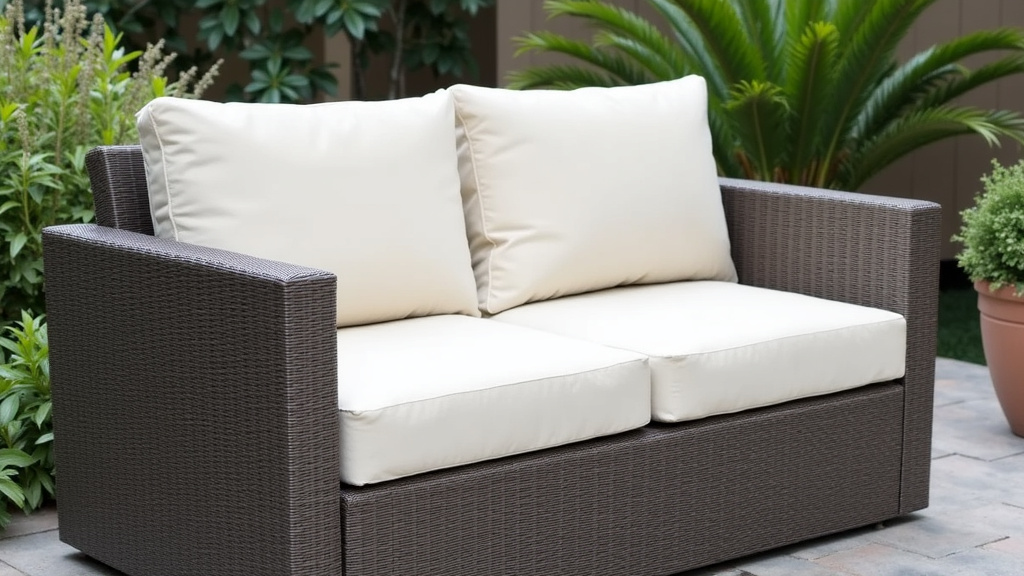
Taking care of your outdoor cushion covers doesn’t have to be a chore. By understanding your fabric, checking care labels, and following our gentle washing and air-drying steps, you can easily keep them looking their best. These simple actions truly extend the life and beauty of your patio cushions. For a broader understanding of maintaining your outdoor fabrics, our guide on how to clean outdoor cushions offers additional tips.
You now have the knowledge to confidently refresh your outdoor living space. Go ahead and give those covers the clean they deserve!
Frequently Asked Questions
Can I use fabric softener on outdoor cushion covers?
We do not recommend using fabric softener on outdoor cushion covers. It can leave a residue that attracts dirt and may reduce the fabric’s water resistance. Stick to mild detergent for the best results.
How often should I wash my outdoor cushion covers?
How often you wash them depends on usage and exposure. For general maintenance, once or twice a season is usually sufficient. If they see heavy use or get noticeably dirty, wash them as needed to prevent stains from setting.
What if my outdoor cushion covers are labeled “spot clean only”?
If your covers say “spot clean only,” avoid machine washing. Instead, clean small areas with a mild soap solution and a soft cloth. Gently blot the stain, then rinse with a damp cloth and air dry.
Can I put outdoor cushion inserts in the washing machine?
No, you should never put outdoor cushion inserts (the foam or fiber filling) in a washing machine. They will absorb too much water, become very heavy, and can be damaged. It’s also nearly impossible to dry them completely, leading to mildew.
Will machine washing outdoor cushion covers make them fade faster?
Not if you follow the right steps. Using cold water and a gentle cycle helps protect colors. Air drying out of direct sunlight is also key to preventing premature fading. Harsh chemicals or hot water are the main culprits for color loss.