
What Is the Best Material for Humid Climates?
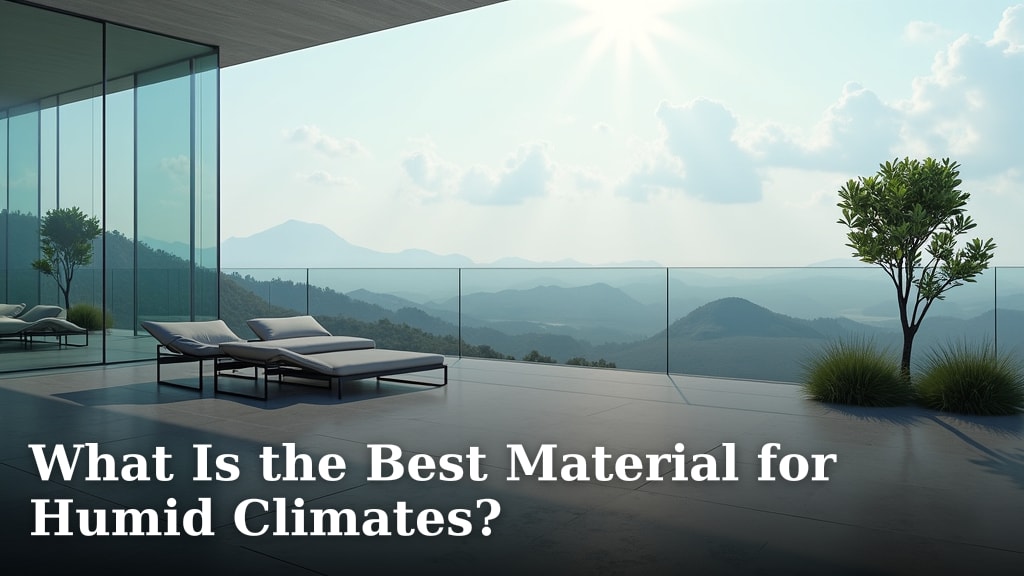
For humid climates, the best materials are generally moisture-resistant and allow for good airflow. We found that materials like teak, synthetic wicker, aluminum, and certain treated woods perform exceptionally well in damp conditions.
Choosing the right material helps prevent common issues like mold, mildew, and rot. Nobody wants their outdoor furniture or home finishes to degrade quickly, right? You want materials that stand up to constant moisture exposure and maintain their integrity and appearance over time.
- Teak: Naturally resistant to moisture and rot.
- Synthetic Wicker: Durable and weather-proof plastic.
- Aluminum: Lightweight, rust-proof, and strong.
- Treated Woods: Enhanced to resist decay and insects.
- Fabric Choices: Look for solution-dyed acrylics.
Below, we break down everything you need to know about selecting materials that thrive in humid environments, from outdoor furniture to home construction.
Choosing Materials That Thrive in Damp Environments
Selecting the right materials for humid climates is crucial for longevity and preventing costly damage. You want things that resist moisture, mold, and rot.
Understanding Humidity’s Impact on Materials
Humidity isn’t just about feeling sticky; it’s about constant moisture exposure. This can lead to big problems for many common materials.
- Wood: Can swell, warp, rot, and grow mold.
- Metals: May rust or corrode over time.
- Fabrics: Often develop mildew, odors, and stains.
- Paints and Finishes: Can peel, blister, or degrade faster.
Think of it like a never-ending rain shower for your belongings. You need materials that can handle that kind of consistent dampness without falling apart.
Outdoor Furniture: Your First Line of Defense
When it comes to outdoor furniture, Our guide on the best material for an outdoor sofa can help you choose a durable and stylish option for your space.durability is key in humid conditions. You want pieces that look good and last for years.
Top Choices for Outdoor Durability
We researched and found certain materials consistently outperform others in humid environments.
- Teak: This dense hardwood is a superstar. It has natural oils that make it resistant to rot, insects, and mildew. It might turn a silvery-gray over time, but that doesn’t affect its strength (USDA Forest Service).
- Synthetic Wicker (HDPE): This isn’t your grandma’s plastic furniture. Made from High-Density Polyethylene, it’s fade-resistant, waterproof, and easy to clean. It looks like natural wicker but without the maintenance.
- Aluminum: Lightweight and won’t rust, which is a huge plus in damp air. It’s often powder-coated for extra protection and comes in many styles.
- Recycled Plastics: An eco-friendly option that’s incredibly durable. It won’t rot, splinter, or need painting. It’s often found in Adirondack chairs and picnic tables. For specific items like Adirondack chairs, understanding if you can leave Adirondack chairs outside in the rain is also important.
Imagine setting up beautiful furniture that you never have to worry about when the humidity spikes. That’s the dream, right?
Building Materials: Protecting Your Home’s Structure
Your home’s structure needs robust materials to fight off humidity. This prevents issues like structural damage and unhealthy mold growth (CDC).
Moisture-Resistant Wood Options
While many woods suffer in humidity, some are treated to stand up to it.
- Pressure-Treated Wood: Chemicals are forced into the wood, making it resistant to rot and insects. It’s great for decks, fences, and structural elements. Always check the treatment level for your specific use.
- Cedar and Redwood: These natural choices have their own oils that provide some resistance to decay and pests. They are good for siding, decking, and fences, though they may require sealing.
Choosing these woods can save you from big repair bills down the road.
Non-Wood Alternatives for Construction
Sometimes, avoiding wood altogether is the best strategy.
- Fiber Cement Siding: Made from cement, sand, and cellulose fibers, it’s impervious to rot, insects, and fire. It looks like wood but performs much better in humid conditions.
- Vinyl Siding: A popular, low-maintenance option that resists moisture and never needs painting. It’s a good choice for exterior cladding.
- Concrete and Masonry: Inherently durable and moisture-resistant. Concrete blocks and bricks don’t rot or attract pests, making them excellent foundation and wall materials.
These materials create a strong, protective shell for your home.
Interior Finishes: Keeping Your Indoors Fresh
Don’t forget the inside of your home! High indoor humidity can lead to mildew, peeling paint, and unhealthy air quality (EPA).
Walls and Ceilings That Resist Dampness
Your walls and ceilings are large surfaces; choosing the right finish is vital.
- Mold-Resistant Drywall: Often called “green board,” this drywall has a paperless or fiberglass mat facing and a moisture-resistant core. It’s perfect for bathrooms, basements, and laundry rooms.
- Low-VOC Paints with Mildewcides: Look for paints specifically formulated for humid areas. They contain additives that inhibit mold and mildew growth.
These options help prevent those unsightly black spots from appearing in damp corners.
Flooring That Can Handle Humidity
Flooring can warp or buckle with too much moisture. You want options that stay flat and beautiful.
| Flooring Type | Humidity Performance | Maintenance |
|---|---|---|
| Porcelain/Ceramic Tile | Excellent – completely waterproof and resistant to mold. | Low – easy to clean, occasional grout sealing. |
| Vinyl Plank/Sheet | Very Good – highly water-resistant, stands up well to moisture. | Low – simple to clean, no special care needed. |
| Engineered Hardwood | Good – more stable than solid hardwood, less prone to warping. | Moderate – requires careful cleaning, avoids standing water. |
| Concrete | Excellent – extremely durable and unaffected by moisture. | Low – can be sealed for extra protection and shine. |
Imagine having floors that look great even after a particularly muggy week.
Fabric Choices: Avoiding Musty Smells
Fabrics can be a major source of mildew and odors in humid climates. Your outdoor cushions and indoor curtains need special consideration.
Weather-Friendly Fabrics
For outdoor cushions and umbrellas, material matters a lot.
- Solution-Dyed Acrylic (e.g., Sunbrella): This fabric is a champion. The color is added to the fibers before they’re woven, making it incredibly fade-resistant and resistant to mold and mildew. It also dries quickly.
- Olefin (Polypropylene): Another excellent choice for outdoor use. It’s durable, resistant to moisture, and less prone to mildew than natural fibers.
These fabrics mean less time washing and more time relaxing.
Indoor Fabric Tips
Even indoors, certain fabrics can struggle.
- Choose curtains made from synthetic blends that dry faster.
- Consider removable, washable cushion covers for sofas.
- Avoid heavy, absorbent fabrics in high-humidity rooms.
A little thought here can prevent those “old house” smells.
Your Humidity-Resistant Checklist
When you’re shopping for new items or renovating, keep this checklist in mind:
- Is the material explicitly labeled as moisture-resistant or waterproof?
- Does it naturally repel or inhibit mold and mildew growth?
- How will it perform if it gets wet frequently? Will it warp or rust?
- What kind of maintenance does it need to stay in good condition?
- Is it known to dry quickly, or does it hold moisture?
Asking these questions helps you make smart choices that will truly last.
Conclusion
Choosing the right materials for humid climates truly makes a difference. You now know that moisture-resistant options like teak, aluminum, synthetic wicker, and specific treated woods are your best defense. Selecting these materials prevents common issues like mold, rot, and premature wear, saving you time and money. Focus on materials that inherently resist dampness and maintain their appearance. Go ahead, make informed choices for your home and outdoor spaces, ensuring they stand strong against the humidity.
Frequently Asked Questions
How does humidity affect indoor air quality?
High indoor humidity encourages mold and mildew growth. These can release spores into the air, triggering allergies, asthma, and other respiratory problems. Maintaining proper indoor humidity levels is important for health.
Can I use regular paint in a humid bathroom?
While you can, it’s not recommended. Regular paints are more likely to peel, blister, and allow mildew to grow in humid conditions. Opt for paints specifically formulated with mildewcides for better protection and longevity.
Is solid wood furniture ever suitable for humid climates?
Most solid woods can struggle with high humidity, leading to warping or cracking. If you choose solid wood, select naturally resistant types like teak or cedar. Ensure they are well-sealed and consider using a dehumidifier indoors.
What’s the best way to clean outdoor furniture made for humid climates?
For materials like synthetic wicker, aluminum, and recycled plastics, a simple wash with mild soap and water usually does the trick. Teak may benefit from occasional scrubbing to remove mildew. Always let furniture air dry completely.
Should I seal concrete floors in a humid basement?
Yes, sealing concrete floors in humid basements is a good idea. It helps prevent moisture from wicking up through the slab, reducing the risk of mold and mildew. A good sealant can also make cleaning easier and improve durability.
