
What Is the Best Material for a Outdoor Sofa?
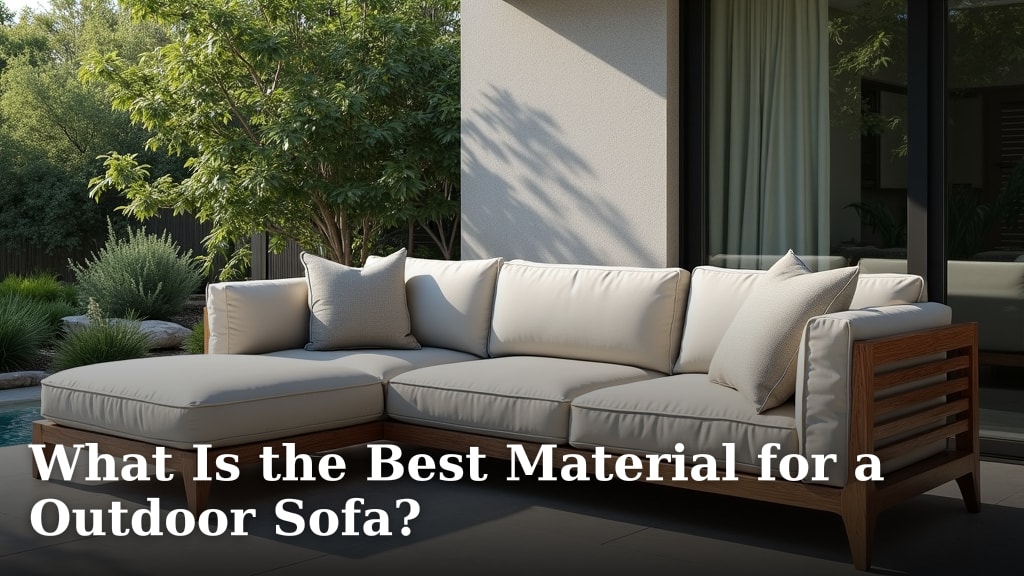
The best material for an outdoor sofa depends on your priorities, but we found that aluminum, teak, and synthetic wicker consistently perform well. Each offers a unique blend of durability, style, and maintenance needs for your outdoor living space.
Choosing the right material means considering your local climate and how much care you want to give. Do you need something that can withstand harsh winters, or are you looking for a low-maintenance option for year-round sun? Your ideal choice will keep your outdoor sofa looking great for years.
- Aluminum is very durable and rust-proof.
- Teak wood is naturally weather-resistant but needs some care.
- Synthetic wicker offers a classic look with easy maintenance.
- Consider your local weather when choosing a material.
- Maintenance levels vary greatly between materials.
Let’s research and determine which outdoor sofa material is the perfect fit for your backyard oasis.
Selecting the Best Outdoor Sofa Material for Your Home
You’re looking for an outdoor sofa that can stand up to the elements and look good doing it. We found that the top contenders for durability and style are aluminum, teak, and synthetic wicker. Each material brings something unique to your patio or deck. Your choice will depend on your local climate, how much maintenance you’re willing to do, and your desired aesthetic.
Aluminum: The Modern Workhorse
Aluminum is a popular choice for outdoor furniture, and it’s easy to see why. It offers a winning combination of strength and lightness. This metal is naturally resistant to rust, making it an excellent option for areas with high humidity or rainfall.
Benefits of Aluminum
- Lightweight: Aluminum furniture is easy to move around. You can rearrange your patio layout without breaking a sweat.
- Rust-Resistant: Unlike iron, aluminum won’t rust. This is a huge advantage, especially if you live near the ocean or in a rainy region.
- Low Maintenance: Cleaning aluminum is simple. A quick wash with soap and water is usually all it takes to keep it looking fresh.
- Modern Aesthetic: Aluminum often features clean lines and a contemporary style. It fits well with many modern outdoor designs.
Considerations for Aluminum
While aluminum is fantastic, it’s not without its quirks. In direct sunlight, it can become quite hot to the touch. You might also notice that cheaper aluminum pieces can feel a bit flimsy. Good quality aluminum, however, is very sturdy and long-lasting (National Association of Metal Manufacturers).
Teak: The Timeless Natural Beauty
Teak wood is a classic choice for outdoor furniture, revered for its natural beauty and incredible resistance to the elements. It develops a lovely silvery-gray patina over time, which many homeowners adore. If you love the look of natural wood, teak is often at the top of the list.
Why Choose Teak?
- Exceptional Durability: Teak contains natural oils and rubber that act as water repellents. This makes it highly resistant to rot, pests, and decay.
- Weather Resistant: Teak can withstand extreme weather, from scorching sun to heavy snow. You won’t worry about it cracking or warping.
- Elegant Appearance: Teak offers a warm, rich tone that enhances any outdoor space. Its natural grain patterns are truly stunning.
Caring for Teak Wood
Teak is durable, but it does require some attention to maintain its original golden-brown color. If left untreated, it will age to a beautiful silver-gray. If you prefer the deeper hue, you’ll need to apply a teak sealer or oil periodically. This is more maintenance than aluminum but less than some other wood types. Some people love the maintenance as part of the appeal, finding it a relaxing ritual.
Synthetic Wicker: The Versatile Weave
Synthetic wicker, also known as all-weather wicker or resin wicker, gives you the classic woven look of natural wicker without the demanding upkeep. It’s truly an all-star material for outdoor living. Many people appreciate its ability to mimic natural materials while providing superior performance outdoors.
Advantages of Synthetic Wicker
- Weatherproof: Made from highly durable synthetic fibers, this material can handle rain, sun, and temperature changes without fading, cracking, or peeling.
- Easy to Clean: A simple hose-down or wipe with a damp cloth keeps synthetic wicker looking new. No special treatments are usually needed.
- Lightweight and Movable: Most synthetic wicker furniture is built on an aluminum frame, making it easy to reposition.
- Variety of Styles: You can find synthetic wicker in many colors, weaves, and designs. It can look traditional or very modern.
Understanding Synthetic Wicker Quality
Not all synthetic wicker is created equal. We found that higher-quality synthetic wicker uses UV inhibitors to prevent sun damage. Always look for brands that specify UV-resistant materials (Plastic Industry Association). Cheaper options might degrade faster, so it’s often worth investing in a better-quality product to ensure longevity.
Other Materials to Consider (Briefly)
While aluminum, teak, and synthetic wicker are our top recommendations, you might encounter other materials. Here’s a quick look at a few others:
- Steel (Powder-Coated): Strong and heavy, but must be powder-coated to resist rust effectively. Can be very durable if well-maintained.
- Wrought Iron: Extremely heavy and classic-looking. Requires regular maintenance to prevent rust, often involving sanding and repainting.
- Plastic/HDPE: Very low maintenance and often made from recycled materials. Can sometimes look less upscale, but quality varies greatly.
Comparing Your Choices: A Quick Look
To help you decide, let’s put our top materials side-by-side. This sort of comparison helps you weigh the trade-offs for each option.
| Material | Durability | Maintenance | Style | Cost Range |
|---|---|---|---|---|
| Aluminum | Excellent (Rust-proof) | Low (Wipe clean) | Modern, Sleek | Mid-High |
| Teak | Exceptional (Weather, pests) | Medium (Oiling/Sealing for color) | Classic, Natural | High |
| Synthetic Wicker | Very Good (UV, moisture) | Low (Hose down) | Versatile, Woven | Mid-High |
Your Climate Matters More Than You Think
Your local weather conditions are a huge factor in choosing the right material. What works beautifully in a dry desert climate might struggle in a humid coastal region. Think about what your furniture will be exposed to every day.
Humid and Rainy Climates
If you live somewhere with lots of rain and humidity, aluminum and synthetic wicker are often superior choices. They are naturally resistant to moisture and won’t rot or swell. Teak also performs well but will eventually turn silvery if not oiled.
Sunny and Hot Climates
For areas with intense sun, look for materials with good UV resistance. Synthetic wicker with UV inhibitors is excellent here. While teak is highly durable in the sun, its oils can dry out over time, necessitating more frequent treatment to maintain color. Aluminum can get hot, so you’ll want good cushions.
Cold and Snowy Climates
In colder regions with snow and ice, materials that can withstand freezing and thawing cycles are crucial. Teak and high-quality synthetic wicker hold up very well. Aluminum is also fine, though you might want to store cushions indoors to prolong their life.
Prioritizing Maintenance vs. Longevity
How much time do you want to spend caring for your outdoor sofa? This is a question only you can answer. Some materials require little more than an occasional wipe, while others might ask for regular treatments or covers during harsh weather.
Low-Maintenance Options
If you prefer a “set it and forget it” approach, aluminum and synthetic wicker are your best bets. They typically require minimal cleaning and can be left outside year-round in many climates without significant issues. You just want them to work, right?
Higher-Maintenance Options
Teak falls into a medium-maintenance category if you wish to preserve its original color. Wrought iron and steel frames, if not powder-coated, will require much more diligent care to prevent rust. Are you ready for that commitment? Most people aren’t.
Your Personal Style and Aesthetic Goals
Beyond durability and maintenance, how do you want your outdoor space to feel? Each material brings a distinct vibe. Do you prefer sleek and modern, or warm and natural?
- Modern & Industrial: Aluminum often fits this bill perfectly with its clean lines.
- Traditional & Natural: Teak wood provides an organic, classic, and sophisticated look.
- Versatile & Cozy: Synthetic wicker can adapt to many styles, from cottage to contemporary.
Checklist for Choosing Your Perfect Outdoor Sofa Material
Before you make a final decision, ask yourself these questions to confirm you’re on the right track:
- Does this material suit my local climate (sun, rain, humidity)?
- How much maintenance am I truly willing to do for my sofa?
- Does the style of this material match my home’s outdoor aesthetic?
- Is this material within my budget for outdoor furniture?
- Have I considered the comfort (cushions!) that goes with the frame?
- Will this material last for many seasons, providing good value?
Conclusion
Choosing the best outdoor sofa material means matching quality materials with your lifestyle. We found that aluminum, teak, and synthetic wicker truly stand out for their varying blends of resilience and appeal. Your climate, desired maintenance, and personal taste will guide your best decision.
To make your outdoor living space perfect, consider these elements carefully. Now, review your priorities and pick the material that promises years of enjoyment and comfort. Your ideal outdoor oasis awaits!
Frequently Asked Questions
How long do outdoor sofas typically last?
The lifespan of an outdoor sofa greatly depends on its material and how well you maintain it. High-quality aluminum and synthetic wicker can last 10-15 years or more. Teak, with proper care, can endure for decades, becoming a heirloom piece.
Can I leave my outdoor sofa cushions outside all the time?
While some modern outdoor cushions are designed for weather resistance, it’s generally best to bring them indoors or store them in a deck box during heavy rain or prolonged periods of non-use. This helps prevent mildew and preserves their appearance, extending their life.
Is it worth investing in expensive outdoor furniture?
Investing in higher-quality outdoor furniture, especially for materials like teak or commercial-grade aluminum, often pays off in the long run. These pieces typically offer superior durability, better weather resistance, and longer lifespans, reducing the need for frequent replacements.
How do I protect my outdoor sofa in winter?
For colder climates, the best protection is to clean your sofa thoroughly, allow it to dry completely, and then cover it with high-quality, breathable furniture covers. If possible, storing an outdoor sofa indoors or in a sheltered area like a garage or shed will maximize its longevity.
What is the most eco-friendly material for an outdoor sofa?
Teak sourced from sustainable, FSC-certified forests is a strong eco-friendly choice due to its natural durability and renewable nature. Recycled HDPE plastic furniture is another excellent option, as it repurposed materials and is often fully recyclable at the end of its life.
