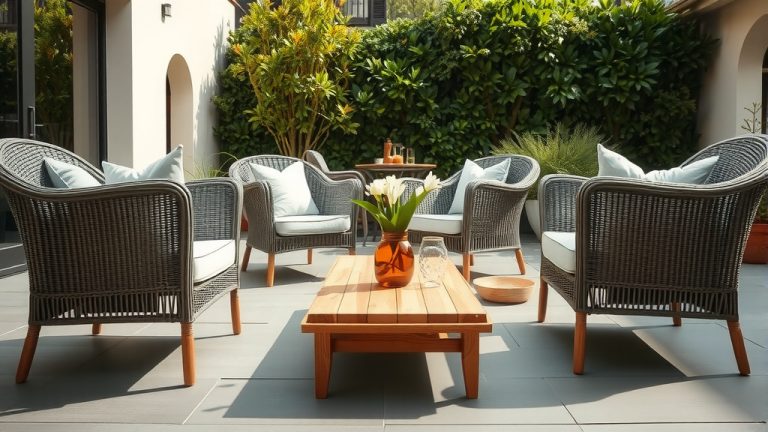
Is Wicker Patio Furniture Waterproof?
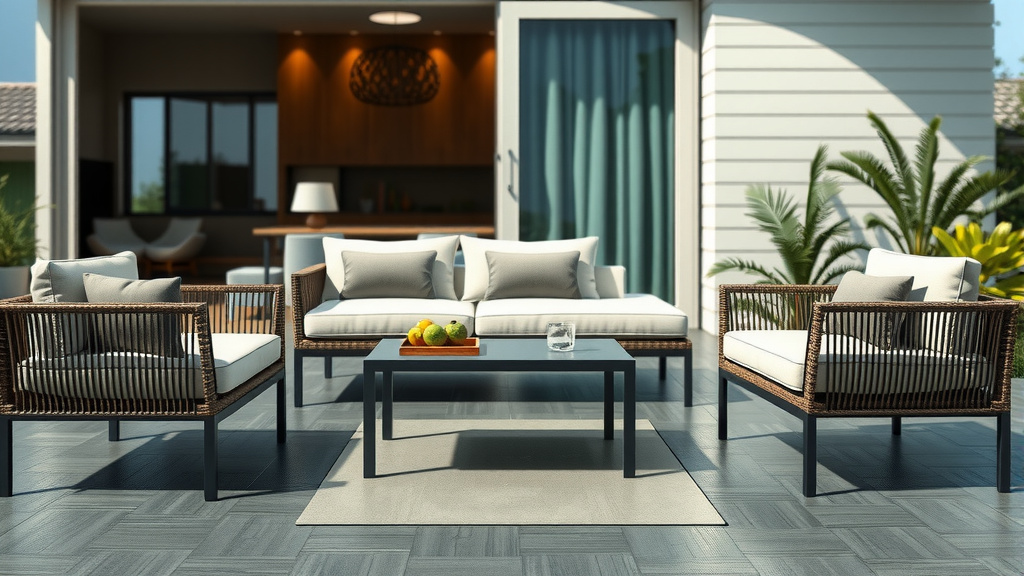
Most traditional wicker patio furniture, made from natural materials like rattan or bamboo, is not truly waterproof and can be damaged by prolonged moisture exposure.
However, modern synthetic wicker, often crafted from resin or PVC, offers excellent water resistance, making it a much more durable choice for outdoor living.
Here’s a quick rundown of what you need to know about wicker and water:
- Natural wicker, made from plants, easily absorbs water and can mold, rot, or lose shape.
- Synthetic resin wicker, a type of plastic, repels water and is built for outdoor conditions.
- Even water-resistant wicker benefits from covers during heavy rain or off-season storage.
- Cushions are often the least water-resistant part; look for quick-drying or water-repellent fabrics.
- With the right type and care, your wicker furniture can look great for years.
Is Wicker Patio Furniture Waterproof?
The short answer is: it depends on the type of wicker. You see, the term “wicker” actually describes a weaving technique, not a specific material.
Think of it like this: “baked good” describes a process, but a croissant is very different from a cracker, right? Wicker is much the same.
Understanding Wicker: Natural vs. Synthetic
Before you even think about waterproof qualities, it’s important to know what your wicker is made from. This distinction changes everything for outdoor durability.
The Beauty of Natural Wicker
Traditional wicker often uses natural plant fibers like rattan, bamboo, willow, or cane. These materials create beautiful, classic designs that feel wonderfully organic.
However, their natural origin also means they behave like wood when exposed to the elements. They are simply not designed to withstand constant moisture.
The Rise of Synthetic Resin Wicker
On the other hand, much of the wicker patio furniture you see today is actually made from synthetic materials. This is commonly known as resin wicker or all-weather wicker.
These synthetic fibers are typically woven from PVC, nylon, or polyethylene (PE resin). They are engineered specifically for outdoor use, mimicking the look of natural wicker without its vulnerabilities.
Natural Wicker: When Water is the Enemy
If you have furniture made from natural wicker, you’ve got a real beauty on your hands. But it needs your protection, especially from water. It’s truly a fair-weather friend.
How Water Damages Natural Wicker
When natural wicker gets wet and stays wet, several unwelcome things can happen. The fibers absorb moisture like a sponge, causing them to swell.
Over time, this swelling and shrinking can weaken the material, leading to cracks, unraveling, or even structural failure. We found this is a common issue for natural materials (Purdue Extension).
Common Water Woes for Natural Wicker
Exposure to rain or high humidity can bring a host of problems. Mold and mildew are common invaders, creating unsightly black spots and a musty smell.
Rot is another concern, especially if the furniture sits in puddles. Prolonged dampness can also cause the natural color to fade unevenly or the finishes to peel.
Synthetic Wicker: Your All-Weather Friend?
Good news if you have synthetic wicker! This type is designed to be much more forgiving when it comes to splashes and downpours. It’s often called “all-weather” for a reason.
The Science Behind Water-Resistant Resin Wicker
Synthetic wicker is made from plastic resins, which are inherently non-porous. This means water simply beads up and runs off, rather than soaking into the material.
High-density polyethylene (HDPE) is a popular choice for its UV resistance and durability, ensuring your furniture won’t fade or become brittle in the sun (American Chemistry Council).
Spotting High-Quality Synthetic Wicker
Not all synthetic wicker is created equal. Look for furniture with HDPE resin, as it often performs better than cheaper PVC options in terms of flexibility and color retention.
Good quality synthetic wicker will have consistent color throughout the weave, not just a surface coating. This helps prevent fading and chipping over time.
What About Wicker Cushions? They Matter Too!
Even if your wicker frame is completely waterproof, your cushions might not be. This is a common oversight that can lead to soggy seats.
Here’s what to look for when considering wicker cushions:
- Quick-Drying Fabrics: Many outdoor cushions use solution-dyed acrylics or olefin, which repel water and dry faster.
- Water-Resistant Coatings: Some fabrics have a DWR (Durable Water Repellent) finish, causing water to bead off.
- Drainage: High-quality cushions might have mesh bottoms or vents to allow water to escape easily.
- Foam Fill: Open-cell foam dries faster than closed-cell foam, but both can eventually absorb water.
- Storage: The best way to protect cushions is to bring them indoors or store them in a waterproof deck box when not in use.
Protecting Your Wicker: Essential Care Tips
Whether you have natural or synthetic wicker, a little care goes a long way. Protecting your investment ensures it stays beautiful and functional for many seasons.
Cover Up for the Long Haul
Investing in a good quality furniture cover is one of the easiest ways to protect your wicker. Look for covers made from breathable, waterproof material that fit snugly.
Even synthetic wicker benefits from covers, especially during harsh weather or the off-season. They guard against dust, pollen, and debris, too.
Seasonal Storage Strategies
During colder months or extended periods of non-use, consider storing your natural wicker indoors. A garage, shed, or basement works well, provided it’s dry and free from extreme temperature swings.
Synthetic wicker can often remain outside, but covering it or placing it under an awning extends its life. This simple step protects against unnecessary wear.
Cleaning Wicker Right
A gentle cleaning routine helps maintain your wicker’s appearance. For synthetic wicker, a mild soap and water solution with a soft brush or cloth usually does the trick.
For natural wicker, be more cautious. A damp cloth for wiping and quick drying is best. Avoid harsh chemicals or excessive water, which can damage the fibers.
Natural vs. Synthetic Wicker: A Quick Comparison
To help you decide or simply understand your current furniture better, here’s a straightforward comparison:
| Feature | Natural Wicker (e.g., Rattan) | Synthetic Wicker (e.g., Resin Wicker) |
|---|---|---|
| Material | Plant fibers (rattan, bamboo, willow) | Plastic fibers (HDPE, PVC, nylon) |
| Water Resistance | Low (absorbs water, prone to mold/rot) | High (repels water, resistant to mold/mildew) |
| UV Resistance | Low (can fade, dry out, crack) | High (engineered to resist fading) |
| Durability | Moderate (needs protection from elements) | High (designed for outdoor conditions) |
| Maintenance | High (regular cleaning, covering, seasonal storage) | Low (easy to clean, less storage fuss) |
Making Your Wicker Furniture Last: A Checklist
Want to ensure your wicker furniture thrives for years? Follow this simple checklist:
- Identify your wicker type: Know if it’s natural or synthetic.
- Invest in quality covers: Use them consistently during bad weather.
- Store cushions properly: Keep them dry and protected when not in use.
- Clean regularly: Remove dirt and debris with appropriate methods.
- Check for damage: Address any fraying or weakening promptly.
- Consider climate: Adapt care based on your local weather conditions.
Conclusion
So, is wicker patio furniture waterproof? The definitive answer rests on its material. While natural wicker is a charming choice, it’s not built for the elements and requires attentive care to avoid water damage.
On the other hand, synthetic resin wicker provides excellent water resistance and often comes with UV protection, making it a robust, low-maintenance option for any patio. Knowing the difference helps you make smart choices and keep your outdoor oasis looking beautiful, rain or shine.
Frequently Asked Questions
Can I leave my synthetic wicker furniture out in the rain?
Yes, you generally can leave synthetic wicker furniture out in the rain without significant damage. Its non-porous material repels water. However, using covers during heavy downpours or extended wet periods will help extend its lifespan and keep it cleaner.
How do I tell if my wicker is natural or synthetic?
Natural wicker often has variations in color and texture, feels slightly rough, and sometimes shows imperfections inherent to plant fibers. Synthetic wicker typically has a very uniform color and texture, feels smooth, and may have a slight plastic sheen.
Will mold grow on synthetic wicker?
Mold and mildew are less likely to grow directly *on* synthetic wicker because it’s non-porous. However, if dirt, pollen, or organic debris gets trapped in the weave, mold can grow *on that residue*. Regular cleaning helps prevent this.
Is all resin wicker the same quality?
No, the quality of resin wicker varies. High-quality synthetic wicker is usually made from HDPE (High-Density Polyethylene), which is more durable, UV-resistant, and flexible. Cheaper options often use PVC or lower-grade plastics that can become brittle, crack, or fade more quickly.
Do waterproof covers protect natural wicker?
Yes, waterproof covers are essential for protecting natural wicker from rain and excessive moisture. They create a barrier against the elements, helping to prevent swelling, cracking, mold, and rot. Always ensure the furniture is dry before covering it to avoid trapping moisture inside.