
How To Protect Wrought Iron Patio Furniture?
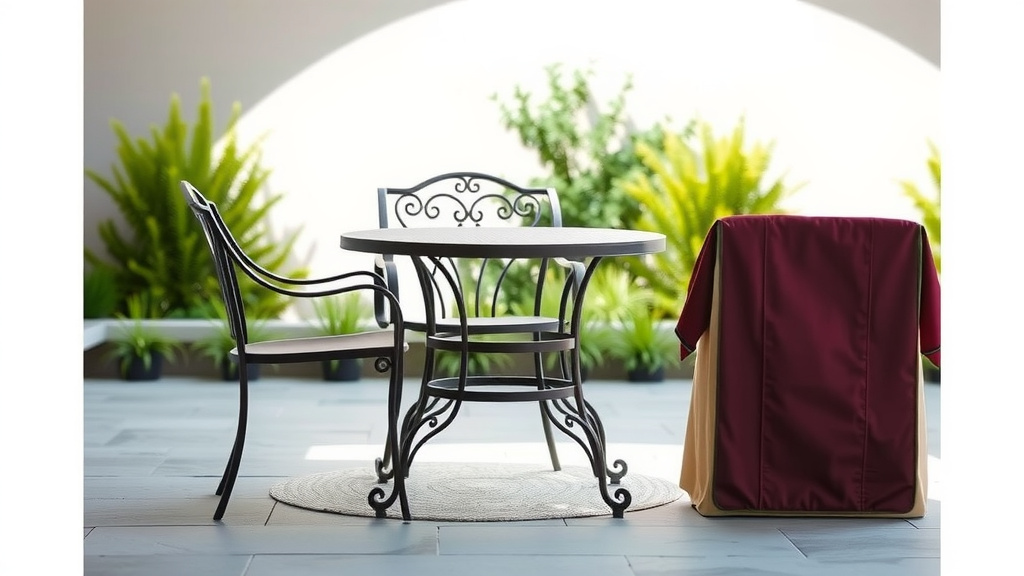
To protect wrought iron patio furniture, regularly clean it to remove dirt and debris, apply a rust-inhibiting primer and exterior paint, and cover or store it during harsh weather.
Prevent rust by routinely inspecting for chips or scratches and applying protective wax or sealants, ensuring your wrought iron patio furniture stays beautiful for years.
- Regular cleaning is essential to remove dirt and prevent rust from forming.
- Always inspect your furniture for any scratches, chips, or early signs of rust.
- Apply a rust-inhibiting primer followed by a durable exterior paint for long-lasting protection.
- Consider waxing your furniture or using protective covers, especially during off-seasons.
- Address any rust spots immediately with appropriate cleaning and touch-up methods.
How To Protect Wrought Iron Patio Furniture?
Protecting your wrought iron patio furniture involves a consistent routine of cleaning, inspecting, and applying protective coatings.
This approach helps prevent rust, extending the life and beauty of your outdoor pieces significantly.
Why Wrought Iron Needs Your Attention
Wrought iron furniture is exceptionally durable and heavy, a true classic for any patio.
But even this tough material has a weakness: it can rust when exposed to moisture and air over time.
Think of it like a superhero with one kryptonite – you need to guard against it!
The Rusty Truth: What Causes It?
Rust is iron’s natural reaction to oxygen and water, creating iron oxides.
If you see a reddish-brown flaky coating, that’s rust, slowly eating away at your beautiful furniture.
We found that moisture is the primary trigger for rust formation (NIH research confirms this chemical process).
Your First Line of Defense: Regular Cleaning
A simple cleaning routine is your best friend for wrought iron.
You wouldn’t let dirt pile up inside, so why outside?
Keeping surfaces clean helps prevent rust from even starting.
Gentle Cleaning for Everyday Dirt
For general dust and grime, use warm water with a mild dish soap.
A soft cloth or sponge works wonders to wipe down surfaces.
Always remember to rinse thoroughly with clean water afterward.
Tackling Stubborn Grime
Sometimes, dirt really sticks around, doesn’t it?
For tougher spots, we found a soft-bristle brush can help gently scrub away buildup.
Be careful not to scratch the finish while scrubbing.
- Mix mild soap with warm water.
- Wipe down all surfaces with a soft cloth.
- Use a soft brush for any stuck-on dirt.
- Rinse the furniture completely with clean water.
- Dry immediately with a clean towel to prevent water spots and rust.
The Inspection Game: Spotting Trouble Early
Think of yourself as a detective, looking for clues.
Regularly check your wrought iron furniture for any chips, scratches, or flaking paint.
These small imperfections are like open doors for rust to creep in.
Where to Look: Common Problem Areas
Pay special attention to joints, welding points, and the undersides of legs.
Water often collects in these hidden spots, making them prime targets for rust.
Many experts say to inspect at least once a month during the peak season (Patio Industry Group).
Rust Prevention: Your Best Offense
Stopping rust before it starts is always easier than fixing it later.
You have a few powerful tools in your rust-prevention arsenal.
Which one will you choose first?
The Power of Paint and Primer
Applying a good quality rust-inhibiting primer is like giving your furniture armor.
Follow that with a durable exterior paint designed for metal.
This creates a robust barrier against moisture and air.
Waxing for an Extra Shield
For an added layer of defense, consider applying a coat of automotive wax.
This creates a water-repellent surface, making moisture bead up and roll right off.
It’s a simple step that offers significant rust resistance.
Rust Removal: When the Enemy Appears
Even with the best care, rust might appear. Don’t panic!
Dealing with it quickly can save your furniture from further damage.
But the approach changes based on how much rust you find.
| Rust Level | Tools Needed | Steps |
|---|---|---|
| Mild Surface Rust | Wire brush, fine-grit sandpaper | Gently scrub with a wire brush, then sand smooth. Wipe clean. |
| Heavy or Flaking Rust | Coarse-grit sandpaper, wire wheel (drill attachment) | Aggressively remove all loose rust. Sand to bare metal. Wipe clean. |
The Art of Sanding and Prepping
Once you’ve removed the loose rust, the area needs to be smooth and clean.
Use fine-grit sandpaper to feather the edges of the repaired area.
This helps new paint adhere better and blend seamlessly.
Re-coating After Rust Removal
After rust removal, you must re-coat the exposed metal.
Skipping this step would be like leaving a wound open to infection!
Always start with a metal-specific, rust-inhibiting primer.
Choosing the Right Paint
Select an exterior metal paint that matches your existing finish or offers a fresh new look.
Spray paints designed for metal are often easiest for intricate designs.
Apply several thin coats instead of one thick one for better durability.
Covers and Storage: Weathering the Storms
Sometimes, the best protection is simply keeping your furniture out of harm’s way.
Think about how you’d protect yourself from a sudden downpour.
Your furniture deserves similar consideration.
Protective Furniture Covers
High-quality, waterproof covers are a smart investment, especially during rainy seasons or winter.
Ensure the covers fit snugly and have vents to prevent moisture buildup underneath.
We found that breathable covers are best to avoid condensation (Outdoor Living Research).
Off-Season Storage
If you have the space, storing your wrought iron furniture indoors during winter is ideal.
A garage, shed, or basement provides a dry, sheltered environment.
This completely removes it from harsh weather elements.
Small Fixes, Big Impact
Don’t ignore those minor chips or scratches on your furniture.
They might seem tiny, but they’re potential entry points for rust.
A quick touch-up can prevent a small problem from growing.
Your Wrought Iron Maintenance Checklist
To keep your wrought iron looking its best, follow this simple routine:
- Clean furniture regularly with soap and water.
- Inspect for chips, scratches, and rust spots every month.
- Touch up any damaged paint areas promptly.
- Apply a fresh coat of protective wax annually.
- Cover furniture during bad weather or store it indoors for winter.
What About Extreme Weather?
Living in areas with heavy rain, snow, or coastal salt air? You’ll need extra diligence.
These conditions accelerate rust formation, meaning more frequent cleaning and inspection.
Consider more robust sealing or storage options if your climate is particularly harsh.
Expert Tips for Wrought Iron Longevity
We found that consistency is key for wrought iron care.
A little effort often prevents big headaches later, saving you time and money.
Treat your furniture well, and it will serve you for decades.
Conclusion
Protecting your wrought iron patio furniture doesn’t require complex steps, just consistent care and attention.
By regularly cleaning, inspecting for issues, and applying protective barriers like paint and wax, you can easily fend off rust.
Embrace these practical solutions, and your beautiful wrought iron pieces will remain a cherished part of your outdoor space for many years to come.
What is the best way to prevent rust on wrought iron?
The best way to prevent rust on wrought iron is to regularly clean it, then apply a rust-inhibiting primer followed by a durable exterior paint. Additionally, waxing the furniture creates an extra barrier against moisture.
How often should I clean my wrought iron patio furniture?
You should clean your wrought iron patio furniture at least once a month during its peak use season, and thoroughly clean it before storing it for the off-season. More frequent cleaning is needed in dusty or humid environments.
Can I leave wrought iron furniture outside all year?
While wrought iron is durable, leaving it uncovered outside all year, especially in harsh climates, significantly increases its risk of rust. It’s always best to use protective covers or store it indoors during extreme weather conditions.
What kind of paint is best for wrought iron?
For wrought iron, the best paint is an exterior-grade, oil-based metal paint applied over a rust-inhibiting primer. Look for paints specifically formulated for outdoor metal surfaces to ensure maximum durability and rust protection.
Is it possible to repair heavily rusted wrought iron?
Yes, it’s possible to repair heavily rusted wrought iron, but it requires more effort. You’ll need to use tools like a wire brush, coarse-grit sandpaper, or even a wire wheel to remove all the rust down to bare metal before priming and repainting.
