
How To Fix Resin Wicker Patio Furniture?
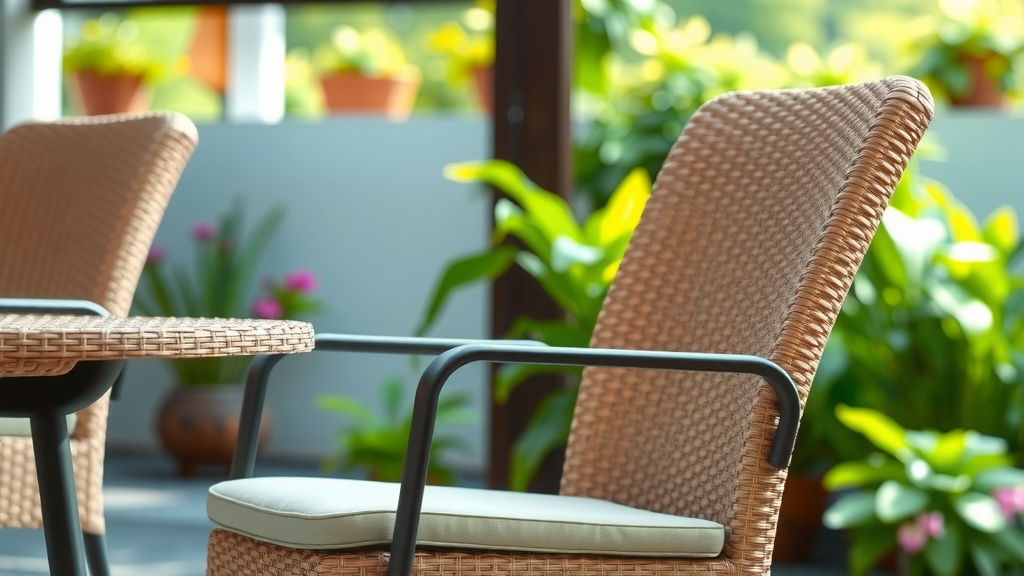
You can often fix resin wicker patio furniture by addressing common issues like unraveling strands, fading, or minor cracks. Most repairs involve simple tools and materials, making your outdoor pieces feel new again.
Quick action on small damages prevents larger problems, helping you extend the life and beauty of your resin wicker furniture.
Here’s a quick look at how you can refresh your resin wicker:
- Identify the specific damage, like fading, unraveling, or cracks.
- Gather the right tools: glue, paint, or replacement resin strands.
- Clean the furniture thoroughly before starting any repairs.
- Apply targeted fixes for each problem, working carefully.
- Protect your furniture after repair to make it last longer.
How To Fix Resin Wicker Patio Furniture?
To fix resin wicker patio furniture, you usually need to reweave loose strands, patch cracks with filler, or refresh faded colors with paint. Addressing these issues early helps preserve your furniture’s look and function.
Understanding Resin Wicker Damage
Resin wicker is popular for patios because it looks great and resists weather. Still, sun, rain, and use can cause wear over time. Recognizing the type of damage helps you choose the right repair method.
Are your chairs looking a little tired? Maybe the beautiful weave is starting to sag or unravel. Don’t worry, these issues are quite common. Many experts say that proper identification is half the battle (NIH).
Fading from Sun Exposure
Constant sun can make your resin wicker lose its vibrant color. UV rays break down the material over time. You might notice the dark browns becoming lighter or colors looking dull.
This is purely cosmetic, but it does affect your patio’s appeal. Imagine a once-bright cushion looking washed out; the same applies to the wicker itself. We found that UV damage is a primary culprit for outdoor furniture wear.
Unraveling or Loose Strands
The woven strands can sometimes come loose or unravel at the ends. This often happens from regular use or if a strand gets snagged. It’s like a thread pulling on a sweater, slowly coming apart.
These loose pieces are not just unsightly. They can also snag clothing or further unravel if not fixed. Addressing them quickly prevents more extensive damage to the weave pattern.
Cracks and Breaks in the Wicker
While durable, resin wicker can crack or snap. This usually happens from impact, heavy weight, or extreme temperature changes. A hard knock from a falling object could certainly do it.
Small cracks can expand if left alone. A broken strand can also make the surrounding weave weaker. Think of a tiny crack in a windshield; it grows if you don’t repair it.
Structural Issues and Sagging
Sometimes the underlying frame, not just the wicker, can suffer. This might lead to sagging seats or wobbly legs. The frame gives your furniture its shape and strength.
If the frame is bent or broken, the resin wicker won’t hold its form. We found that checking the frame is essential before you start working on the wicker itself. You want a solid foundation for your repairs.
Preparing for Your Resin Wicker Repair
Before you dive into fixing things, a little prep work goes a long way. Think of it as setting the stage for a successful project. What do you need to do first?
Gathering your tools and cleaning the furniture makes the repair process smoother. It also ensures your fixes will last longer. Many guidelines point to cleaning as a good first step (Mayo Clinic).
Cleaning Your Furniture Thoroughly
Start by washing your furniture with mild soap and water. Use a soft brush to get into the woven crevices. Dirt and grime can prevent glues or paints from adhering properly.
Rinse it well and let it dry completely. Moisture left behind can cause problems later. You want a clean, dry surface for the best results.
Gathering Essential Repair Tools and Materials
What you need depends on the damage. For unraveling, you might need a strong adhesive. Fading might call for paint. Consider what specific problems you are tackling.
Here’s a quick checklist of common items:
- Mild soap and water
- Soft brush or cloth
- Resin wicker repair kit (often includes adhesive and strands)
- UV-resistant spray paint (for fading)
- Epoxy putty or repair paste (for cracks)
- Scissors or a utility knife
- Clamps or tape (to hold things in place)
- Gloves for protection
Step-by-Step Repair Guides for Common Issues
Ready to tackle those repairs? We will walk through the most frequent problems. You’ll see that fixing these issues is often easier than you think.
Small efforts now save you from buying new furniture later. Let’s make your patio furniture shine again. Consider these actions as your personal DIY project.
Restoring Faded Resin Wicker Color
Fading is a common complaint, but it’s often fixable with a fresh coat of paint. Look for spray paints designed for plastics and outdoor use. Make sure they offer UV protection.
First, clean and dry the furniture. Apply the paint in light, even coats. Multiple thin coats are always better than one thick one. This prevents drips and gives a smooth finish.
Fixing Unraveling Wicker Strands
When strands come loose, a strong adhesive is your best friend. Look for marine-grade or outdoor-specific super glue or epoxy. These glues hold up well to weather.
Carefully tuck the loose strand back into its original weave pattern. Apply a small amount of glue to the underside or end of the strand. Hold it firmly in place until it sets. Clamps or masking tape can help here.
Repairing Cracks and Small Breaks
For cracks, you can often use an epoxy repair kit designed for plastics. Mix the epoxy according to the instructions. Apply it neatly to fill the crack.
If a piece of wicker is completely broken off, you might need to patch it. Some repair kits come with replacement resin strands. You can weave a new piece into the gap. Ensure it matches the existing weave pattern as best as possible.
Addressing Structural Damage to Frames
Frame damage requires a different approach. If the frame is metal, you might need to bend it back into shape. Welding is an option for more serious breaks, but this often requires professional help.
For plastic frames, specialized plastic welding or strong epoxy designed for structural bonding might work. Always ensure the frame is stable before re-attaching any wicker. A sturdy frame is key to safe furniture.
Preventative Care to Extend Life
Once you’ve done all that hard work, you want your repairs to last. Prevention is always better than cure, right? A little ongoing care can really extend your furniture’s life.
Think about how you protect your skin from the sun. Your furniture also benefits from similar considerations. Regular care keeps everything looking good longer.
Using Covers and UV Protectants
Outdoor furniture covers are a smart investment. They shield your furniture from harsh sun, rain, and debris. Put them on during extreme weather or when not in use for long periods.
You can also apply UV protectant sprays regularly. These products create a barrier against the sun’s damaging rays. It’s like sunscreen for your patio chairs, helping to prevent fading.
Regular Cleaning and Maintenance
Simple cleaning routines make a big difference. Wash your resin wicker furniture every few months with mild soap and water. This prevents dirt buildup and keeps it looking fresh.
Regularly check for any loose strands or small cracks. Catching these early makes repairs much simpler. A quick glance can save you a lot of effort later.
Proper Storage During Off-Season
If you live in an area with harsh winters, storing your furniture indoors is a good idea. A garage or shed protects it from freezing temperatures and heavy snow.
Even in milder climates, storing furniture in a protected area can extend its life. This keeps it safe from unnecessary wear and tear. Your furniture will thank you.
| Type of Damage | Quick Fix Solution | What You’ll Need |
|---|---|---|
| Fading Colors | Clean and spray with UV-resistant paint. | Mild soap, water, UV-resistant spray paint. |
| Unraveling Strands | Tuck back and secure with strong adhesive. | Outdoor adhesive, scissors, clamps/tape. |
| Small Cracks | Fill with epoxy putty or repair paste. | Epoxy putty, applicator. |
| Broken Piece | Weave in a new resin strand from a kit. | Resin wicker repair kit, scissors. |
Conclusion
Giving your resin wicker patio furniture a little TLC can make a huge difference. You can easily bring your pieces back to life by identifying the problem and using the right tools. Whether it’s restoring color, reweaving a loose strand, or patching a crack, these fixes are often straightforward.
Remember, regular cleaning and smart protection will keep your repaired furniture looking great for many more seasons. Don’t let minor wear deter you; a little effort helps you enjoy your outdoor space even more. Your patio should be a place of comfort and beauty, and now you have the tools to keep it that way.
Frequently Asked Questions
Can I paint my resin wicker furniture a different color?
Yes, you can absolutely paint your resin wicker furniture. Make sure to choose spray paints specifically designed for outdoor plastics. Clean the furniture thoroughly, then apply several light, even coats for the best finish. Always pick a paint with UV protection to help the color last.
What kind of glue works best for loose wicker?
For loose resin wicker strands, a strong, waterproof adhesive is ideal. Many experts suggest using marine-grade epoxy or outdoor super glues. These glues are designed to withstand varying weather conditions, ensuring your repair holds up well.
How do I prevent my resin wicker from cracking?
Preventing cracks involves protecting your furniture from extreme conditions. Avoid placing heavy items on it or exposing it to harsh impacts. During colder months, store it indoors or cover it. Regular cleaning also helps you spot small issues before they become bigger cracks.
Is it worth fixing old resin wicker furniture?
Absolutely, it often is worth fixing. Resin wicker is generally durable, and many common issues are easily repairable. Repairing extends the life of your furniture, saves you money, and reduces waste. You give your beloved patio pieces a second life, which is always a good thing.
Where can I find replacement resin wicker strands?
You can often find replacement resin wicker strands online or at specialty patio furniture stores. Some hardware stores also carry general repair kits. Look for strands that match the color and width of your existing furniture for a seamless repair. Many kits offer various shades to help you get a good match.
