
How To Anchor Patio Furniture To Deck?
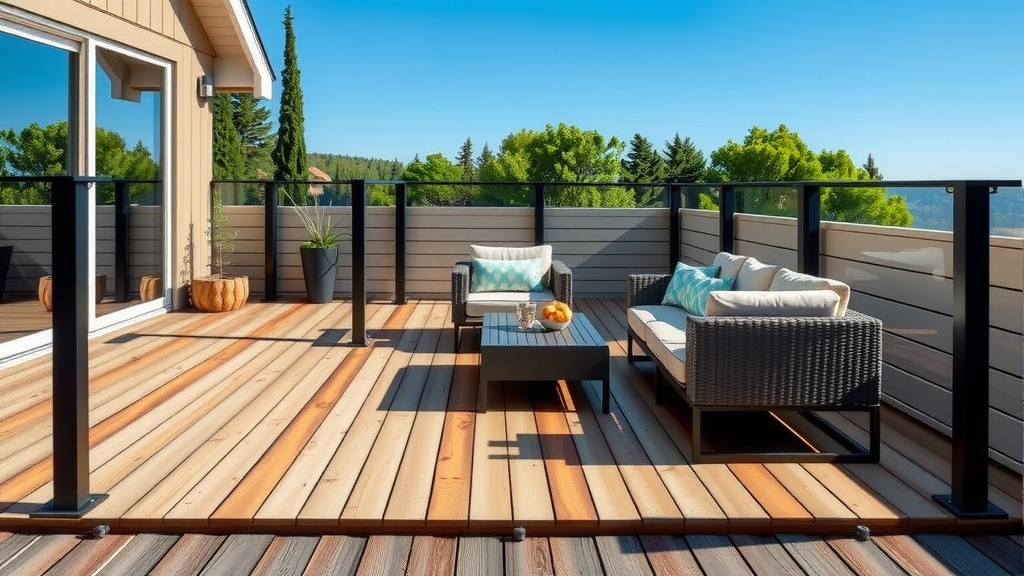
To anchor patio furniture to your deck, you can use several methods depending on your deck material and furniture type, including weighted bases, specialized straps, eye bolts, or furniture connectors.
The best way to secure your outdoor pieces involves understanding your deck structure and choosing solutions that prevent wind damage without compromising deck integrity or furniture stability.
- Wind often lifts patio furniture, creating a safety risk and potential damage.
- You can secure furniture using heavy bases, non-slip pads, or specialized straps.
- For a more permanent fix, consider drilling pilot holes for eye bolts or deck screws.
- Always check your deck material (wood or composite) before choosing an anchoring method.
- The goal is to protect your investment and keep your outdoor space safe and tidy.
How To Anchor Patio Furniture To Deck?
You can anchor patio furniture to your deck by adding weights, using furniture connectors, or installing deck screws and straps for a more robust solution.
Why Secure Your Outdoor Pieces?
Imagine a sudden gust of wind picking up your favorite lounge chair. It’s a common story, right?
Securing your outdoor furniture isn’t just about preventing it from becoming a projectile. It also protects your investment and ensures your deck remains a safe place.
Many experts say strong winds can turn even heavy furniture into a hazard, potentially causing damage to your home or injuring someone (National Weather Service).
Understanding Your Deck Material
Before you start anchoring, take a moment to look at your deck. Is it classic wood or modern composite?
The material plays a big role in which anchoring methods will work best and keep your deck in great shape.
Anchoring Solutions for Wooden Decks
Wooden decks are forgiving when it comes to minor modifications. You have a few solid options here.
For temporary fixes, you might use weighted planters. For something more permanent, you can drill into the joists below.
Anchoring Solutions for Composite Decks
Composite decks are durable but require a bit more thought. Drilling incorrectly can void warranties or cause cracking.
We found that specialized composite deck screws or adhesive anchors are often the go-to choices for a secure fit without damage.
Simple Ways to Keep Furniture in Place (No Drilling)
Don’t want to drill holes? No problem! There are plenty of clever ways to keep your patio furniture from flying away.
These methods are often renter-friendly and great for seasonal changes.
Weighted Solutions
Think heavy. You can use sandbags, specialized furniture weights, or even attractive large planters filled with soil and plants.
These add stability without any permanent changes to your deck, keeping your furniture grounded.
Furniture Connectors and Clips
For sectional sofas or modular pieces, connectors are a game-changer. They link individual pieces together.
Connecting your furniture creates one larger, heavier unit that is much harder for the wind to budge.
Drilling into Your Deck: When and How
Sometimes, a more permanent solution is necessary, especially if you live in a very windy area.
Drilling into your deck offers the strongest hold, but it needs careful planning to avoid damage.
| Anchoring Method | Pros | Cons |
|---|---|---|
| Weights/Sandbags | Easy to add/remove, no deck modification. | Can be bulky, less secure in extreme winds. |
| Furniture Clips | Keeps pieces together, no deck modification. | Only works for multi-piece furniture, not standalone. |
| Eye Bolts/Screws | Very secure, permanent solution. | Requires drilling into deck, more effort to remove furniture. |
| Straps/Bungees | Adjustable, good for temporary high winds. | Can be unsightly, may need anchor points. |
Using Deck Screws and Straps
For a reliable anchor, you can use specialized deck screws. These go directly into the deck boards or joists.
Attach furniture straps to these screws and then to your furniture legs. Research often connects this method with high wind resistance (Consumer Reports).
Eye Bolts and Bungee Cords
Eye bolts are another excellent option. You drill a pilot hole, then twist the eye bolt into the deck.
You can then thread bungee cords or heavy-duty rope through the eye bolts and secure them to your furniture for a flexible yet firm hold.
Professional Installation vs. DIY
Are you handy with tools, or do you prefer to leave it to the experts?
If you’re unsure about drilling or have a complex deck structure, calling a professional handyman or carpenter can save you time and potential headaches.
A Quick Safety Checklist for Anchoring
Before you wrap up your anchoring project, run through this quick checklist:
- Did you check for utility lines before drilling?
- Is the anchor suitable for your deck material?
- Are all connections tight and secure?
- Can the furniture still be easily moved if needed?
- Are there any sharp edges that could snag clothing or injure someone?
Conclusion
Anchoring your patio furniture to your deck doesn’t have to be a daunting task. By understanding your deck type and the various anchoring options available, you can easily find a solution that fits your needs.
Whether you opt for simple weights or a more permanent drilled solution, keeping your outdoor pieces secure will provide peace of mind and protect your beautiful outdoor living space. Your deck and your furniture will thank you!
What kind of screws should I use to anchor furniture to my deck?
When anchoring furniture to a wooden deck, use exterior-grade deck screws or lag screws designed for outdoor use. For composite decks, specialized composite deck screws are often recommended as they are engineered to prevent cracking and splitting.
Can I use concrete anchors on a wooden deck?
No, concrete anchors are specifically designed for masonry and concrete surfaces. They will not provide a secure hold in wood and could damage your wooden deck.
How often should I check my patio furniture anchors?
You should inspect your patio furniture anchors at least once a season, especially before and after periods of high wind. Regular checks ensure that screws haven’t loosened and straps haven’t frayed, maintaining optimal security.
Will anchoring damage my patio furniture?
When done correctly, anchoring should not damage your patio furniture. Use appropriate hardware, soft straps where they touch furniture, and avoid over-tightening to prevent scratches or deformation.
Are there any temporary anchoring solutions for occasional windy days?
Yes, for temporary anchoring, you can use weighted bags (like sandbags), large decorative planters filled with heavy material, or even connect furniture pieces with sturdy bungee cords or specialized furniture clips. These are easy to deploy and remove as needed.
