
Can You Paint Cast Aluminum Patio Furniture?
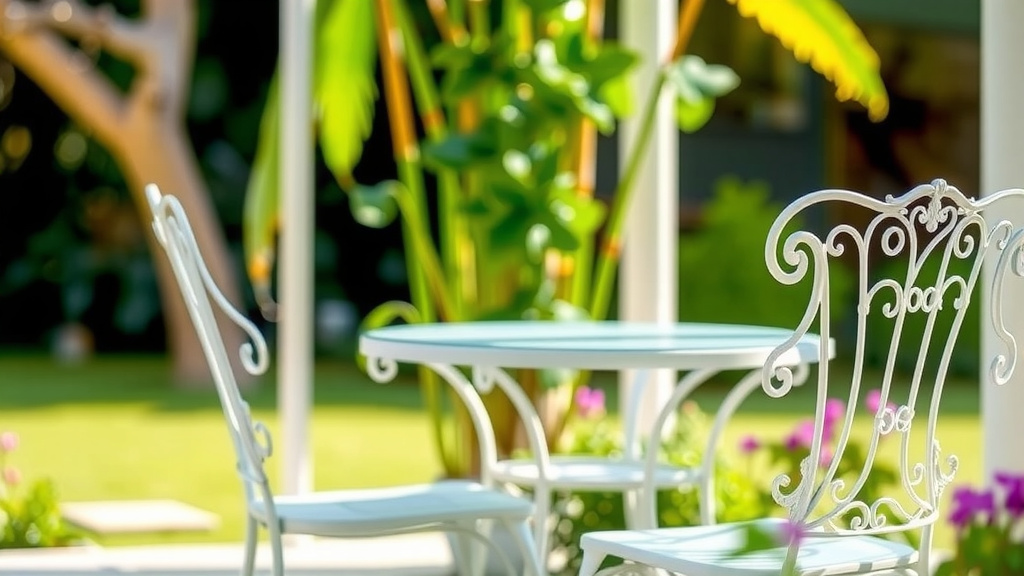
Yes, you absolutely can paint cast aluminum patio furniture to give it a fresh new look and extend its life. With the right preparation and suitable paint, your furniture can look brand new, ready for many more seasons of enjoyment.
Transforming your outdoor space with a fresh coat of paint on your cast aluminum pieces is a rewarding DIY project that offers both aesthetic appeal and enhanced protection against the elements.
TL;DR: Painting Cast Aluminum Furniture
- Painting cast aluminum furniture is totally possible and a great DIY project.
- Proper preparation, like cleaning and sanding, is the most important step for success.
- Always choose paints specifically designed for metal and outdoor use, often in a spray can.
- Light, even coats are better than thick ones to avoid drips and ensure a smooth finish.
- It’s a fantastic way to refresh your patio and save money compared to buying new.
Can You Paint Cast Aluminum Patio Furniture?
Yes, painting your cast aluminum patio furniture is a fantastic way to revitalize it. This process can give your old pieces a brand-new appearance, matching any changes in your outdoor decor.
Why Bother Painting Your Patio Furniture?
Maybe your furniture looks a bit tired, or perhaps the color just doesn’t quite fit your vision anymore. Painting offers a simple solution. It’s not just about aesthetics; a good paint job adds a layer of protection against rust and wear, especially important for pieces living outdoors.
Benefits of a Fresh Coat
Think about it: a little paint can completely change the vibe of your patio. You get to customize your space without buying all new items. Plus, it’s often much more budget-friendly than replacing a whole set, wouldn’t you agree?
The Golden Rule: Preparation is Everything
We often say, the secret to a professional-looking paint job is 90% preparation and 10% painting. For cast aluminum, this couldn’t be truer. Skipping steps here means your beautiful new paint might not last.
Cleaning Your Aluminum Furniture Thoroughly
Before any paint touches your furniture, it must be sparkling clean. We found that even a thin film of dirt or grease can prevent paint from sticking properly (Consumer Reports).
- Wash well: Use warm water mixed with mild dish soap. A sponge or soft brush works great.
- Rinse completely: Make sure no soap residue is left behind.
- Dry fully: Let the furniture air dry for a full 24 hours, or use a clean cloth. Any dampness can cause future paint issues.
Dealing with Old Paint and Rust
If your furniture has chipped paint or any surface corrosion, you’ll need to address it. A wire brush can help remove loose flakes. For minor rust spots, a rust-inhibiting primer is a smart choice.
Light Sanding for Better Adhesion
Even on bare metal or well-adhered old paint, a light sanding helps. Use 180-220 grit sandpaper. This creates tiny “tooth” for the new paint to grab onto. Think of it like making the surface slightly rough so the paint has something to hold tight to.
Choosing the Right Paint for Cast Aluminum
This isn’t a job for just any old paint you have lying around. Outdoor metal furniture demands specific paint types that can withstand sun, rain, and temperature changes.
Types of Paint You Should Consider
We found that spray paint specifically designed for metal and outdoor use is typically the easiest and most effective for DIY projects. Many experts agree that these paints offer excellent durability and a smooth finish (Sherwin-Williams guidelines).
Look for terms like “direct to metal,” “rust preventative,” or “outdoor enamel.” These phrases tell you the paint is built tough for the elements.
Primer: Your Furniture’s Best Friend
Do you need primer? In most cases, yes! A good quality primer, especially one designed for metal, helps the topcoat adhere better and offers an extra layer of protection. It’s like giving your paint a solid foundation to build upon.
| Paint Type | Pros | Cons |
|---|---|---|
| Spray Enamel (Outdoor) | Easy to apply, smooth finish, quick drying, wide color range. | Can require multiple light coats, susceptible to wind spray. |
| Liquid Enamel (Brush-on) | Thicker coats, good for touch-ups, durable. | Can leave brush marks, slower drying, more effort for even coverage. |
| Powder Coating (Pro only) | Extremely durable, chip-resistant, factory finish. | Requires specialized equipment, not a DIY option. |
The Painting Process: Step-by-Step
Ready to get colorful? Let’s walk through applying the paint like a pro. Remember, patience is key here!
Setting Up Your Work Area
Choose a well-ventilated outdoor area. Lay down drop cloths or old newspapers to protect your surroundings. Wind can be your enemy with spray paint, so pick a calm day.
Applying Primer Evenly
If using spray primer, hold the can about 8-12 inches from the surface. Use a sweeping motion, applying thin, even coats. Don’t try to cover it all in one go! Allow the primer to dry completely according to the manufacturer’s instructions.
Applying the Topcoat of Paint
Once the primer is dry, it’s time for the color! Just like with primer, apply the paint in light, even coats. Multiple thin coats are always better than one thick, drippy mess. Rotate the furniture as needed to reach all angles.
Tips for a Smooth Finish
Keep the can moving to avoid drips. Slightly overlap each pass. If you see a drip starting, don’t try to fix it immediately; let it dry and sand it lightly before the next coat. This is often the best strategy for a flawless appearance.
Drying and Curing: Don’t Rush It!
The paint might feel dry to the touch quickly, but it needs time to fully “cure” and harden. This curing process is what makes the paint truly durable and long-lasting.
Check your paint can for specific recoat and full cure times. It could be anywhere from 24 hours to several days before the furniture is ready for use. Patience truly pays off here.
When NOT to Paint Cast Aluminum Furniture
Sometimes, painting might not be the best idea. If the furniture is severely damaged, cracked, or has deep pitting, paint might only temporarily mask the issues. Consider if repairs are needed first.
Also, if you have a historically significant piece, painting could decrease its value. Always weigh the pros and cons.
Quick Checklist for Painting Success
- Clean thoroughly with soap and water.
- Dry completely for at least 24 hours.
- Lightly sand all surfaces.
- Apply a metal-specific primer.
- Use outdoor-rated spray paint for metal.
- Apply multiple thin, even coats.
- Allow adequate drying and curing time.
Conclusion
Painting your cast aluminum patio furniture is a truly rewarding project that can breathe new life into your outdoor living area. By following these careful steps – especially the crucial preparation phase – you can achieve a durable, beautiful finish that will impress your guests and bring you joy for years to come. Remember, a little effort upfront means a lot of enjoyment later. So, grab your sandpaper and a can of paint, and get ready to transform your patio!
FAQs About Painting Cast Aluminum Patio Furniture
How long does paint last on cast aluminum furniture?
The longevity of paint on cast aluminum furniture depends on the paint quality, preparation, and exposure to elements. A properly prepped and painted piece with high-quality outdoor enamel can last 3-7 years, sometimes even longer, before needing a touch-up or repaint.
Can I use regular indoor paint on outdoor aluminum furniture?
No, you should not use regular indoor paint on outdoor aluminum furniture. Indoor paints are not formulated to withstand UV rays, moisture, temperature fluctuations, and general outdoor wear, which will lead to peeling, fading, and cracking very quickly.
Do I need to strip all the old paint before repainting?
Not always. If the existing paint is in good condition, firmly adhered, and not flaking, you can often just clean, degrease, and lightly sand it to create a good surface for the new paint to bond. However, if there’s extensive peeling or rust, stripping is recommended for the best results.
What kind of weather is best for painting patio furniture?
The best weather for painting patio furniture is a dry, calm day with moderate temperatures, ideally between 60-80°F (15-27°C) and low humidity. Avoid painting in direct sunlight, very high humidity, or windy conditions, as these can affect paint drying and application.
Is it worth painting old patio furniture or should I just buy new?
Painting old patio furniture is often a very worthwhile project, especially if the frame is structurally sound. It’s a significantly more affordable option than buying new, allows for complete customization, and is a great way to be environmentally conscious by extending the life of your items. The effort often yields impressive results.
