Why Is My Outdoor Cushions Fading So Fast?
On this page (4 sections)
Your outdoor cushions are fading fast primarily because of sunlight exposure and harsh UV rays. These elements break down the fabric dyes and fibers, leading to discoloration and material degradation over time. Low-quality fabric is also a major culprit.
We understand how frustrating it is to see your beautiful patio furniture lose its vibrancy so quickly. For more on outdoor cushion mold, see our related guide. You likely invested good money in those cushions, only for them to look tired and old after just one season. It’s a common problem, and we found that understanding the core causes helps you make smarter choices for protecting your outdoor space.
- Sunlight exposure is the main reason.
- UV rays damage fabric and dyes.
- Fabric quality plays a big role.
- Environmental factors also contribute.
- There are ways to prevent quick fading.
Let’s dive into exactly why your cushions are fading and what you can do to keep them looking new for longer.
Understanding Why Outdoor Cushions Lose Their Luster
The main culprits are sunlight, especially its UV rays, and the inherent quality of the fabric. Environmental conditions and even how you care for them also play a significant role.
The Unseen Enemy: Ultraviolet (UV) Radiation
Think of UV rays as tiny, invisible wrecking balls. They constantly bombard your cushions. These rays are powerful enough to break down chemical bonds.
When they hit your cushion fabric, they attack the dye molecules. This process, known as photodegradation, literally causes the colors to fade away. It’s like watching a colorful painting slowly disappear under a harsh spotlight.
UV radiation also weakens the fabric fibers themselves. Over time, your cushions might not just look faded, but also become brittle and tear more easily. This is a common complaint we hear from homeowners.
Fabric Quality: Not All Cushions Are Created Equal
This is where the rubber meets the road, or rather, where the sun meets the fabric. The type of material and its manufacturing process make a huge difference.
Synthetic Fabrics vs. Natural Fibers
Most outdoor cushions use synthetic fabrics. These include acrylic, polyester, and olefin. Natural fibers like cotton or linen are rarely used outdoors. They simply don’t stand up well to the elements.
Some synthetics are much better at resisting UV damage than others. For example, solution-dyed acrylic is known for its excellent colorfastness. This means the color is added to the fiber solution before the yarn is even made. It’s like a carrot that’s orange all the way through, not just on the surface.
In contrast, many less expensive cushions use fabrics where the dye is just printed or coated on the surface. These are like a radish, red on the outside but white inside. The color quickly wears and fades.
- Solution-dyed acrylic: Best resistance to fading. Color is throughout the fiber.
- Polyester: Can be good, especially if UV-treated. Quality varies widely.
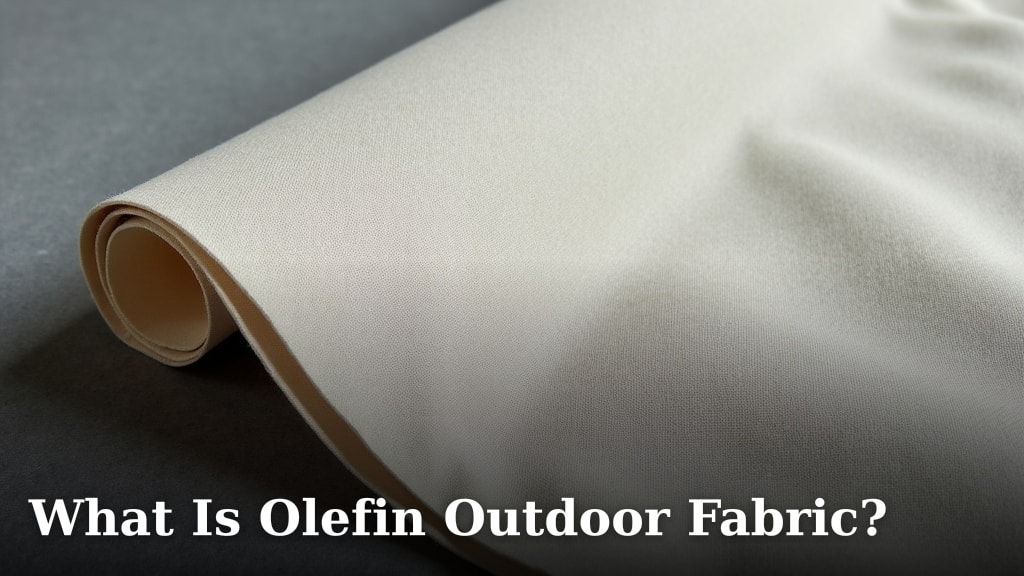
- Olefin: Good fade resistance and moisture resistance. Often more affordable.
- Printed fabrics: Most prone to rapid fading. Color is only on the surface.
The Role of Dye Quality
Even with good fabric, poor-quality dyes will fade. Think of cheap watercolor paints compared to artist-grade oil paints. The pigments in the dyes must be stable and resistant to light.
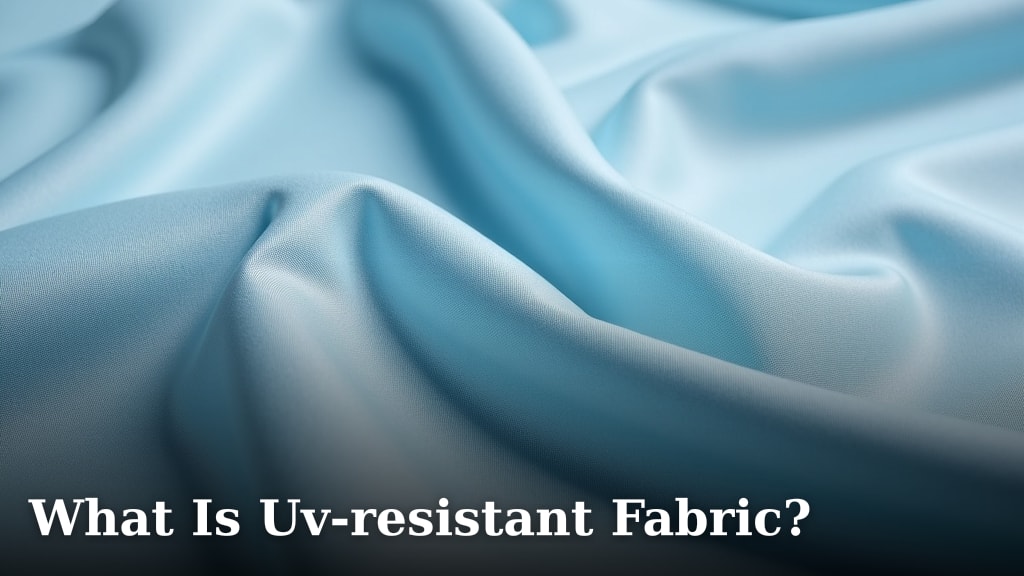
Manufacturers often add UV stabilizers to the dye or fabric. These chemicals act like a tiny sunscreen for your cushions. They absorb the UV rays, protecting the colors and fibers. Cushions without these stabilizers will fade much faster.
Environmental Factors That Accelerate Fading
It’s not just the sun beating down. Other elements in your environment can gang up on your cushions too.
Moisture and Humidity
Rain, dew, and high humidity can contribute to fading. When fabric gets wet, especially repeatedly, it can sometimes leach out dyes. Think of how a wet colored shirt might bleed onto a white one in the wash.
Moisture also creates a breeding ground for mildew. Mildew, while not directly fading the fabric, can cause stains and discoloration that mimic fading. It makes your cushions look dirty and old.
Pollutants and Chemicals
Airborne pollutants, like exhaust fumes or industrial emissions, can settle on your cushions. Over time, these chemicals can react with the fabric dyes, causing them to degrade. We found this is more common in urban areas.
Accidental spills of cleaning products or even harsh pool chemicals like chlorine can also instantly strip color. Always be careful around your outdoor textiles.
Wear and Tear: The Everyday Impact
Your cushions are meant to be used, right? But daily use can also speed up their demise.
Friction and Abrasion
Sitting, sliding, and even just brushing against surfaces create friction. This physical wear can rub away the top layers of dye. It’s like sanding down a painted surface; the color eventually diminishes.
Areas of high contact, like armrests or seat edges, often show fading first. You might notice these spots look lighter than the less-used parts of the cushion.
Cleaning Practices
How you clean your cushions matters. Using harsh detergents or vigorous scrubbing can strip away UV protective coatings. It can also cause dyes to run or fade prematurely.
Always follow the manufacturer’s cleaning instructions. Gentler is usually better for prolonging color vibrancy.
Comparing Fabric Performance Against the Elements
To help you visualize the differences, here’s a quick comparison of common outdoor fabric types and their typical fade resistance.
| Fabric Type | Fade Resistance | Key Characteristics |
|---|---|---|
| Solution-Dyed Acrylic (e.g., Sunbrella) | Excellent | Color throughout fiber, high UV stability, durable, expensive. |
| Polyester (UV-Treated) | Good to Very Good | Can be strong, resists mildew, quality varies, mid-range cost. |
| Olefin (Polypropylene) | Good | Excellent moisture resistance, color embedded, budget-friendly. |
| Spun Polyester (Printed) | Fair to Poor | Color is surface-dyed, quick fading, less durable, very affordable. |
| Cotton/Natural Blends | Poor | Not recommended for prolonged outdoor use, fades and mildews quickly. |
This table gives you a general idea. Always check the specific product details for UV ratings or warranties.
Actionable Steps to Protect Your Outdoor Cushions
Don’t despair! Even if your cushions are fading, you can take steps to slow down the process and keep them looking better for longer. It’s all about proactive protection.
Strategic Placement and Storage
Think about where your cushions spend their time. Just like your skin needs sunscreen, your cushions need shade.
Utilize Shade Structures
Position your patio furniture under an umbrella, pergola, or awning. This simple act can drastically reduce UV exposure. It’s like giving your cushions a permanent, large hat.
If direct sunlight is unavoidable for part of the day, consider rotating your cushions. This ensures they fade evenly, which is less noticeable than patchy fading.
Invest in Storage Solutions
When not in use, especially during peak sun hours or bad weather, store your cushions. A deck box, a storage shed, or even simply bringing them indoors can extend their life significantly.
We found that many people underestimate the power of good storage. It shields cushions from UV rays, rain, and pollutants. It’s a small effort for a big return on your investment.
Protective Treatments and Covers
You can also add layers of protection directly to your cushions.
Use Fabric Protectants
Look for UV-resistant fabric sprays. These products create a protective barrier on the cushion surface. They block some of the harmful UV rays.
Reapply these protectants periodically, following the product instructions. It’s like giving your cushions a fresh coat of clear sealant.
Consider Outdoor Furniture Covers
Individual cushion covers or full furniture covers are an excellent line of defense. They protect against sun, rain, dirt, and even bird droppings. For more on preventing sun fading, see our related guide.
Choose covers made from breathable, water-resistant material. Make sure they fit snugly to prevent wind from blowing them off. These are especially useful during off-seasons or extended periods of non-use.
Regular Maintenance for Longevity
A little care goes a long way. Keeping your cushions clean and dry helps maintain their vibrancy.
Gentle Cleaning Practices
Brush off loose dirt regularly. This prevents particles from embedding in the fabric and causing abrasion. For spills, blot them immediately with a clean cloth.
When you do a deeper clean, use a mild soap and water solution. Rinse thoroughly and allow cushions to air dry completely. Never put them away damp, as this encourages mildew.
Avoid bleach or harsh chemicals unless specifically recommended by the manufacturer for stain removal. These can damage fabrics and accelerate fading.
Checklist for Prolonging Cushion Life:
- Place cushions in shaded areas whenever possible.
- Store cushions in a deck box or indoors when not in use.
- Apply UV-resistant fabric protector spray periodically.
- Use furniture covers, especially for long periods.
- Clean regularly with mild soap and water.
- Ensure cushions are completely dry before storing.
Conclusion
You now understand why your outdoor cushions lose their vibrancy. It’s primarily due to UV rays and fabric quality, but environmental factors also play a role. We’ve found that proactive steps make a real difference in extending their life.
By choosing better materials, utilizing shade, and practicing smart storage, you can keep your cushions looking new. Regular, gentle care also helps a lot. Invest a little time in protection now to enjoy vibrant outdoor spaces for seasons to come.
Start applying these tips today to protect your investment!
Frequently Asked Questions
Are all “UV resistant” outdoor fabrics the same?
No, “UV resistant” is a broad term. Solution-dyed acrylic offers superior fade resistance because the color goes all the way through the fiber. Other fabrics might have a surface treatment that wears off more quickly.
Can I spray my existing outdoor cushions with a UV protectant?
Yes, you can. Many fabric protectant sprays are available that add a layer of UV protection. Make sure the spray is specifically for outdoor fabrics and follow the application instructions carefully for the best results.
Does washing outdoor cushions make them fade faster?
Improper or overly frequent washing can contribute to fading. Using harsh detergents or scrubbing too vigorously can remove protective coatings and dyes. Always use mild soap and rinse thoroughly, letting them air dry completely.
How often should I clean my outdoor cushions?
You should brush off loose dirt weekly or as needed. A deeper clean with mild soap and water is recommended every few months, or more often if they are heavily used or exposed to a lot of dirt and pollen.
What’s the difference between solution-dyed and piece-dyed fabric?
Solution-dyed fabric has the color mixed into the liquid polymer before the fiber is made, making the color integral. Piece-dyed fabric is woven first, then dyed in a separate step, so the color only penetrates the surface.