What Is the Difference Between a Gazebo and a Pergola?
On this page (8 sections)
When deciding between a gazebo and a pergola, the main difference comes down to roof structure. A gazebo typically has a solid, often sloped roof, offering full shade and protection from rain. A pergola, on the other hand, usually features an open roof structure with beams or lattice, designed more for partial shade and defining an outdoor space.
Both structures can significantly enhance your backyard. They provide dedicated areas for relaxation, dining, or entertaining. While a gazebo offers more of a covered room feel, a pergola creates a more open, architectural element. We found that understanding these key differences helps homeowners choose the perfect addition for their outdoor living.
- Gazebos have solid, protective roofs.
- Pergolas have open roofs for partial shade.
- Gazebos offer more rain protection.
- Pergolas define spaces and add architectural style.
Let’s break down the distinct features of each so you can make the best choice for your yard.
Distinguishing Between Gazebos and Pergolas for Your Yard
Choosing between a gazebo and a pergola can feel like a tough decision. Both structures offer wonderful ways to enjoy your outdoor space. We’ve looked into their distinct features to help you see the differences clearly. The primary distinction lies in their roof design and intended use.
Think of a gazebo as a mini outdoor room. It’s a detached structure, often octagonal or hexagonal. It provides a shaded, sheltered spot. A pergola, on the other hand, is more like an open framework. It’s typically attached to your house or stands alone. It defines a space without fully enclosing it.
The Core Differences: Roofs and Purpose
Gazebo: Your Outdoor Oasis with a Solid Roof
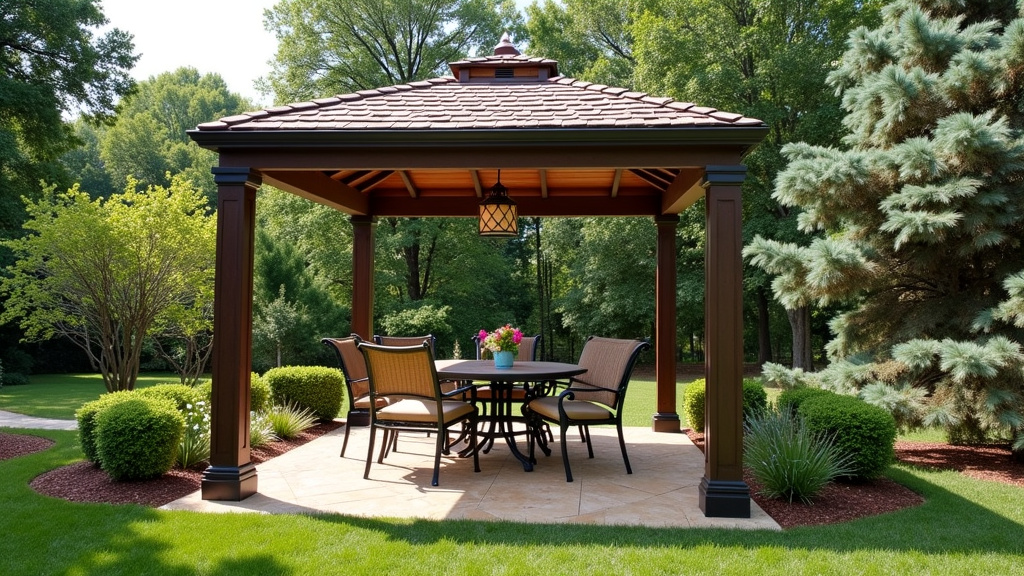
A gazebo is all about providing shelter and shade. Its most defining feature is a solid roof. This roof is usually sloped to shed rain. It can be made from various materials like wood, shingles, or even metal. Because of this solid roof, a gazebo offers excellent protection from sun and rain. Many people find this makes them feel like a covered porch or a small outdoor room.
Gazebos often come with built-in benches or have a floor. They are designed to be a standalone destination in your yard. You might picture yourself enjoying a quiet morning coffee or hosting a small gathering here, protected from the elements. They create a distinct, cozy retreat.
Gazebo Roof Styles
The roof of a gazebo is key to its function. You’ll commonly see:
- Dome roofs: These offer a classic, elegant look.
- Hip roofs: Similar to house roofs, these are sturdy and weather-resistant.
- Gable roofs: These have two sloping sides that meet at a peak.
The solid nature of these roofs means you get full coverage. This is fantastic for picnics or reading on a sunny day. It’s also a lifesaver when a sudden shower appears. You can simply move into your gazebo and continue your activity.
Pergola: An Architectural Statement with an Open Design
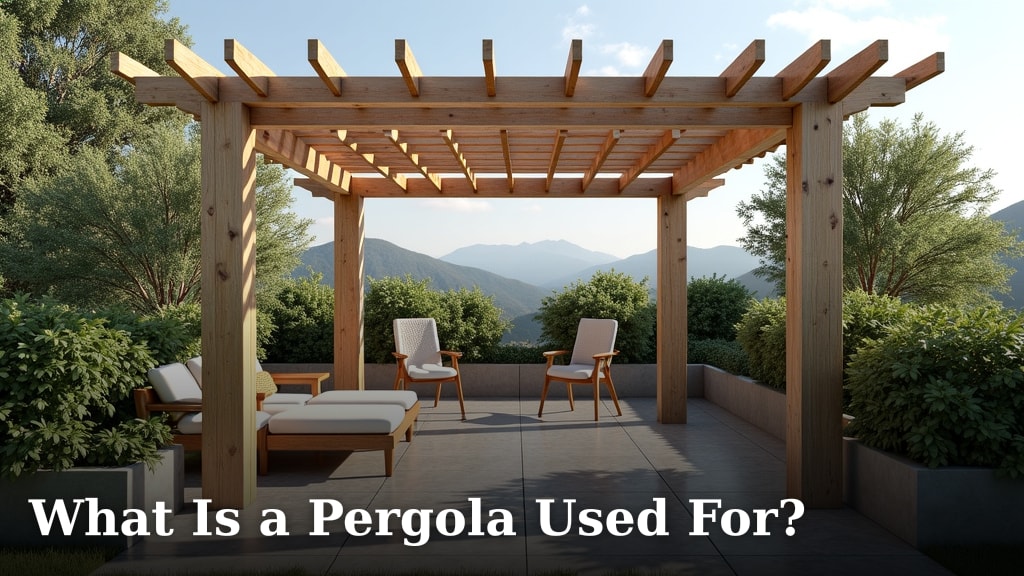
A pergola’s design is quite different. Its defining characteristic is an open roof structure. This usually consists of beams, rafters, or a lattice. It doesn’t offer full protection from rain or intense sun. Instead, it provides partial shade. It creates dappled sunlight patterns on the ground below.
The main purpose of a pergola is often to define an outdoor area. Think of it as an architectural element that creates a sense of place. It can cover a walkway, an outdoor dining area, or a seating space. Many people choose pergolas to add visual interest and a sense of structure to their garden without feeling closed off.
Pergola Roof Options
While always open to some degree, pergola roofs can vary:
- Slatted roofs: Wooden or metal slats create a patterned shade.
- Lattice roofs: This is a classic choice. It allows plants like vines to grow over it, creating natural shade.
- Open beam roofs: Simple, strong beams provide structure and partial shade.
Some modern pergolas have retractable canopies or screens. These can be added for extra shade or privacy when needed. This offers a bit more flexibility than a traditional solid roof.
Structure and Installation Considerations
Gazebo: Freestanding Beauty
Gazebos are typically freestanding structures. This means they are not attached to your home. They can be placed anywhere in your yard, becoming a focal point. You might put one at the end of your garden or near a pool. Their construction often involves a floor, walls or railings, and a solid roof supported by posts.
Installing a gazebo usually requires a solid foundation, such as a concrete pad or deck. This ensures stability for the structure. Because they are self-contained, they often feel like a special destination. We found that their detached nature adds a sense of discovery to your outdoor space.
Pergola: Versatile Attachment or Standalone
Pergolas offer more versatility in installation. They can be attached to your house, extending your living space outdoors. This often feels like an extension of your home’s architecture. They can also be freestanding, just like a gazebo. When freestanding, they serve to define specific zones within a larger garden or patio area.
A pergola attached to a house often uses the house wall for support. Freestanding pergolas need their own sturdy foundation, usually concrete footings. This flexibility makes them adaptable to various yard layouts. Many homeowners appreciate how a pergola can visually connect different parts of their yard.
Materials and Aesthetics
Common Gazebo Materials
Gazebos are frequently built from wood. Common choices include cedar, redwood, or pressure-treated pine. These woods offer natural beauty and durability. Metal gazebos, often made from aluminum or wrought iron, are also available. They can offer a more modern or ornate look.
The roof materials can be asphalt shingles, metal panels, or even cedar shakes. The overall aesthetic of a gazebo can range from rustic and charming to elegant and formal. Many come as pre-fabricated kits, making assembly more straightforward. We found that homeowners often select wood for its warm, natural appeal.
Common Pergola Materials
Like gazebos, pergolas are often constructed from wood. Treated pine is a popular and cost-effective choice. Cedar and redwood offer greater natural resistance to rot and insects. Increasingly, homeowners are choosing vinyl or composite materials for pergolas. These offer low maintenance and high durability.
Metal pergolas, especially aluminum, are also an option. They can provide a sleek, modern look and are very weather-resistant. The open design of a pergola lends itself well to a variety of architectural styles, from traditional to contemporary. Many experts suggest choosing materials that complement your home’s existing exterior (National Association of Home Builders).
Functionality and Lifestyle Fit
Gazebo: Your All-Weather Retreat
A gazebo’s solid roof makes it ideal for all-weather enjoyment. You can sit in it during a light drizzle or under the hot midday sun. It offers consistent shade and protection. This makes it a reliable spot for outdoor activities regardless of the weather. Think of it as your personal outdoor room that’s always ready.
Gazebos are perfect for creating a dedicated relaxation zone. You can furnish them with comfortable seating, lighting, and even outdoor curtains. They are excellent for small-scale entertaining, like intimate dinners or tea parties. The enclosed feel provides a sense of privacy and comfort. Many people use them for activities like yoga or meditation.
Pergola: Defining Space and Adding Flair
A pergola’s primary function is to define outdoor spaces and add architectural beauty. It creates a transition zone or highlights a specific area, like an outdoor kitchen or a seating arrangement. While it doesn’t offer full rain protection, its open design allows for filtered sunlight, which many find more pleasant than total shade.
Pergolas are excellent for supporting climbing plants. These can provide natural shade and a beautiful, fragrant canopy. Imagine a pergola covered in wisteria or jasmine! This creates a romantic and dynamic outdoor feature. They are great for framing a view or marking an entrance. We found that pergolas excel at adding visual structure and style to a backyard without feeling heavy or enclosed.
Making Your Choice: A Quick Checklist
To help you decide, consider these quick points. Which structure best fits your needs?
- Do you need full protection from rain and sun? (Gazebo)
- Are you looking to define a specific outdoor area like a dining space? (Pergola)
- Do you want a structure that feels like a separate outdoor room? (Gazebo)
- Is adding architectural interest and partial shade a priority? (Pergola)
- Do you envision adding climbing plants for natural shade? (Pergola)
- Do you want a spot that’s always usable, rain or shine? (Gazebo)
| Feature | Gazebo | Pergola |
|---|---|---|
| Roof Type | Solid, sloped | Open beams, lattice, or slats |
| Primary Function | Shelter, shade, defined room | Define space, architectural element, partial shade |
| Rain Protection | High | Low |
| Sun Protection | High | Partial/Dappled |
| Installation | Freestanding | Attached or Freestanding |
| Aesthetic | Cozy, enclosed retreat | Open, architectural structure |
Conclusion
You’ve learned the core differences between a gazebo and a pergola. A gazebo offers a solid roof for complete shelter, acting like a separate outdoor room. A pergola provides an open framework, perfect for defining spaces and adding architectural style with dappled shade. Your choice depends on whether you prioritize full weather protection or an open, decorative structure. Now that you understand their distinct benefits, you can confidently select the one that best enhances your outdoor living experience. Your next step is to measure your space and consider your lifestyle needs!
Frequently Asked Questions
Can I attach a pergola to my house?
Yes, you absolutely can! Many pergolas are designed to be attached directly to your home’s exterior wall. This can extend your indoor living space and create a beautiful transition to your yard. It often uses the house for structural support, making it a versatile option.
Which is better for privacy, a gazebo or a pergola?
Generally, a gazebo offers more natural privacy because it’s a more enclosed structure. Its solid roof and often solid sides create a defined, secluded space. While a pergola can be enhanced with screens or climbing plants for added privacy, its open design inherently offers less seclusion.
Can I add a solid roof to a pergola later?
While you can add coverings like retractable canopies or awnings to a pergola for more shade and rain protection, permanently converting an open pergola roof to a solid one is usually not recommended. It changes the structural integrity and intended design. It’s best to choose a gazebo if a solid roof is your main requirement.
Are gazebos more expensive than pergolas?
The cost can vary greatly depending on materials, size, and complexity. However, gazebos, with their solid roofs and often more intricate construction, can sometimes be more expensive than basic pergola kits. Freestanding pergolas and more elaborate gazebos can both represent a significant investment.
Which structure is easier to maintain, a gazebo or a pergola?
Both require maintenance, but materials play a big role. Wooden pergolas and gazebos will need regular sealing or staining to protect them from the elements. Low-maintenance materials like vinyl or aluminum can be found for both structures, making them easier to clean. Pergolas with open designs might be slightly easier to clear of debris.