
What Is a Shade Sail?
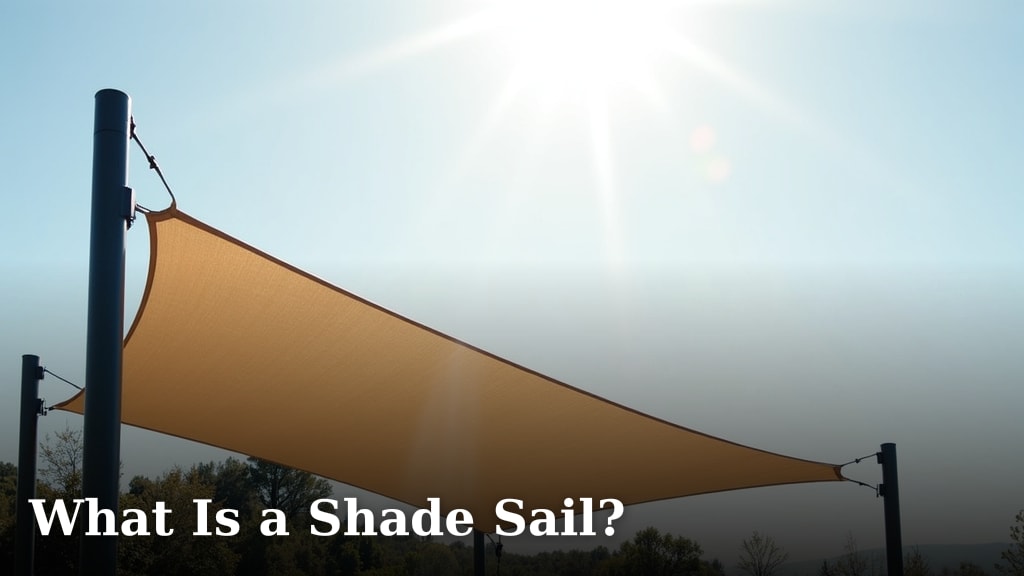
A shade sail is a versatile fabric structure that attaches to anchor points to create a shaded area. Think of it as a stylish, modern awning that’s perfect for your patio, garden, or even a playground. It’s a fantastic way to block harmful UV rays and make your outdoor spaces more enjoyable.
These sails are typically made from durable, weather-resistant materials like high-density polyethylene (HDPE). They offer a flexible and attractive solution for sun protection compared to traditional awnings. Many people choose shade sails because they are both functional and aesthetically pleasing for a variety of outdoor settings.
- A shade sail is a fabric structure for sun protection.
- It attaches to anchor points, creating shaded outdoor areas.
- They are made from durable, weather-resistant materials.
- Shade sails are a stylish and flexible alternative to awnings.
- They effectively block harmful UV rays for comfort.
So, what exactly goes into choosing and setting up one of these popular shade solutions? Below, we’ll walk you through everything you need to know about shade sails, from their best uses to how they’re installed.
Understanding Shade Sails for Your Outdoor Space
A shade sail is essentially a piece of durable fabric tensioned between anchor points to provide shade. Think of it as a sophisticated, modern umbrella for your yard. They are a popular choice for creating comfortable outdoor living areas. You’ll see them covering patios, decks, playgrounds, and even swimming pools. Their main job is to offer protection from the sun’s harsh rays.
These structures aren’t just about blocking light. They are designed to be visually appealing and to enhance your outdoor aesthetics. Many people opt for them because they are more flexible and less permanent than traditional awnings or pergolas. They offer a contemporary look that fits well with many home styles. We’ll break down what makes them tick and how you can get the most from one.
The Anatomy of a Shade Sail
Understanding what goes into a shade sail will help you appreciate its durability and function. They are built to withstand the elements while providing effective sun protection.
Materials Used
The fabric is the heart of any shade sail. Most sails are made from high-density polyethylene (HDPE). This material is known for being tough and resistant to UV rays. It’s also breathable, which helps to keep the area underneath cooler by allowing hot air to escape. Some sails might use polyester or other synthetic fabrics, often coated for extra protection.
The anchor points are also critical. These are usually sturdy structures like existing buildings, strong posts set in the ground, or specialized poles. They need to be robust enough to handle the tension required to keep the sail taut. You’ll often find that stainless steel hardware is used for the fittings, like turnbuckles and eye bolts. This prevents rust and ensures a long lifespan.
Design and Shape Options
Shade sails come in a surprising variety of shapes. The most common are:
- Triangles: These are very popular and can be set up with three anchor points. A single triangle can cover a moderate area. You can also arrange multiple triangle sails together for a dynamic look.
- Squares/Rectangles: These offer more uniform coverage. They are ideal for larger areas like patios or seating zones. A rectangular sail can provide a clean, modern aesthetic.
- Circles: While less common for full coverage, circular sails can be used for specific features or as decorative elements.
The shape you choose often depends on the space you have and the aesthetic you’re going for. The edges are typically curved inwards. This helps to maintain tension across the fabric when it’s pulled taut. Without this curve, the sail would sag.
Where Shade Sails Shine: Best Uses
Shade sails are incredibly versatile and can be used in many different outdoor settings. Think about where you spend time outside and could use some relief from the sun.
Residential Applications
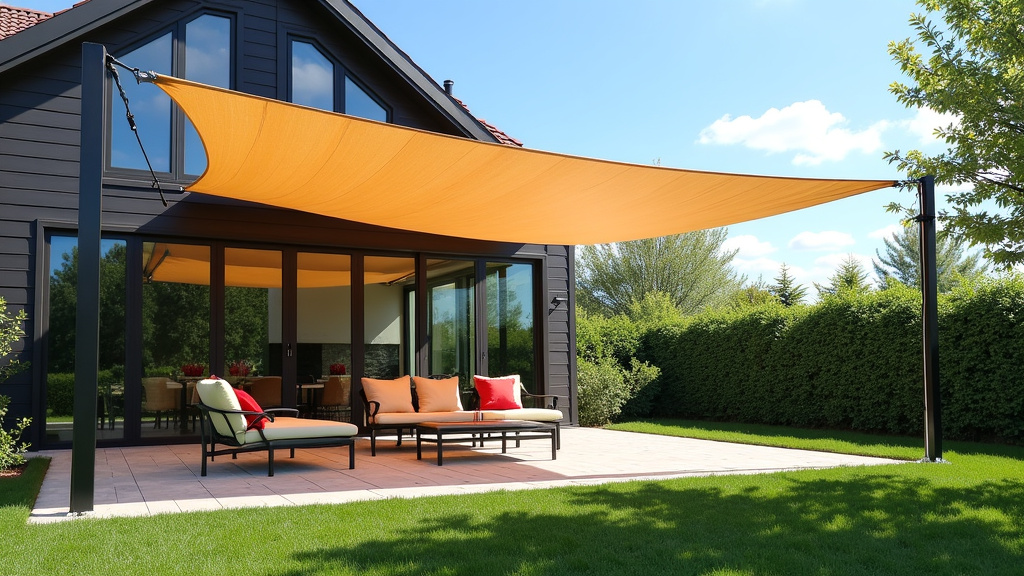
For homeowners, shade sails are a fantastic addition. They can transform a plain patio or deck into a shaded oasis. Imagine enjoying your morning coffee or an evening barbecue without the intense sun beating down. They can also cover a children’s play area, offering a safer space for kids to play. We found that many homeowners appreciate how they enhance their property’s usability.
A sail can also add a touch of style to your backyard. It’s a less permanent solution than building a permanent roof structure. This can be a big advantage if you rent your home or prefer more flexibility in your landscaping. It provides shade where you need it most, often at a lower cost than traditional pergolas.
Commercial and Public Spaces
Beyond homes, shade sails are widely used in commercial and public areas. Businesses often install them over outdoor seating areas to attract customers. They provide a comfortable spot for patrons to relax. Schools and parks use them to cover playgrounds, sandboxes, and picnic areas. This is especially important for protecting children from UV exposure.
According to guidelines from organizations like the Skin Cancer Foundation, adequate sun protection is vital. Shade structures play a key role in this. Commercial applications also benefit from the branding opportunities. Custom-colored sails can feature a company logo, adding a unique visual element. They help create inviting outdoor spaces that are both functional and attractive.
Protecting Your Belongings
It’s not just about your comfort; shade sails can also protect your outdoor furniture and belongings. Prolonged exposure to direct sunlight can fade upholstery and damage materials. A shade sail acts as a shield, helping to preserve the life of your patio furniture, grills, and even outdoor rugs. It can also reduce the temperature of surfaces like plastic playground equipment or metal patio tables, making them safer to touch.
Choosing the Right Shade Sail for You
Selecting a shade sail involves a few key considerations. You want to make sure it fits your space, needs, and style.
Size and Shape Selection
First, measure the area you want to shade. Think about how much coverage you need. A single large sail might work, or you might need a combination of smaller sails. Consider the path of the sun throughout the day. You might want to position the sail to capture the most shade during peak hours.
The shape is also important for aesthetics and function. Triangles are great for a modern, dynamic look and work well for smaller to medium areas. Rectangles are more practical for covering longer spaces, like a seating area or a pathway. Remember to account for the tensioning space required around the edges of the sail. You’ll need enough room for the fabric to curve properly.
Material and Durability Considerations
As we discussed, HDPE is a common and effective material. Look for sails that are specifically designed for outdoor use and boast high UV protection ratings. A higher percentage of UV blockage means better protection for you and your belongings. Also, consider the weight and thickness of the fabric. Thicker fabric generally means more durability.
Check the warranty offered by the manufacturer. A good warranty can be an indicator of product quality. Ensure the stitching is strong and reinforced. The grommets or D-rings where the sail attaches to the hardware should be robust and rust-resistant.
Color and Style Match
Shade sails come in a wide array of colors. Neutral tones like beige, grey, or white are popular for a clean, modern look. Brighter colors can add a playful touch, especially in gardens or play areas. Consider how the color will interact with the sunlight. Darker colors absorb more heat, while lighter colors reflect it.
Think about the overall style of your home and yard. A sleek, minimalist sail might suit a modern home. A more textured or patterned sail could complement a traditional garden. The goal is to choose a sail that enhances your outdoor decor, not clashes with it.
Installation: What You Need to Know
Proper installation is key to a shade sail’s performance and longevity. A well-installed sail is taut and secure, providing reliable shade.
Anchor Points Are Everything
You need at least three anchor points for a triangular sail and four for a rectangular one. These points must be strong and secure. Options include:
- Existing Structures: Walls of your house, sturdy fences, or strong posts. Ensure they can handle the pull.
- Dedicated Posts: Metal or wooden posts set deep in concrete. These offer the most flexibility in placement.
Experts recommend that anchor points for sails should be able to withstand significant force. For DIY installations, it’s wise to consult building codes or a professional if you’re unsure about structural integrity. We found that proper anchoring is the most critical step for safety and effectiveness.
Tensioning the Sail
Once your anchor points are set, you’ll attach the sail using hardware. Turnbuckles are commonly used. They allow you to easily adjust the tension. You want the sail to be drum-tight. This prevents flapping in the wind and ensures it sheds water effectively. Loose sails can stretch the fabric unevenly and may be damaged by wind.
Using a measuring tape and potentially a tension meter can help achieve the right tautness. It’s a bit of an art and a science. Remember that fabric can stretch slightly when first installed and after rain, so you might need to re-tension the sail periodically.
DIY vs. Professional Installation
Many people successfully install shade sails themselves. If you are comfortable with basic DIY tasks, have the right tools, and a clear plan for secure anchor points, it can be a rewarding project. You can find many online guides and tutorials to help you.
However, if you are unsure about the structural requirements, your home’s architecture, or simply don’t have the time, hiring a professional installer is a smart choice. They have the experience and tools to ensure the sail is installed correctly and safely. This can give you peace of mind, especially for larger sails or more complex installations. We found that professional help often ensures a superior and longer-lasting result.
Maintenance for Longevity
Keeping your shade sail in good condition will ensure it lasts for years. The maintenance is generally straightforward.
Cleaning Your Shade Sail
Regular cleaning prevents the buildup of dirt, mold, and mildew. Most sails can be cleaned with a soft brush or cloth and a mild soap or detergent mixed with water. For tougher stains, a specific fabric cleaner might be needed, but always test it on an inconspicuous area first. Avoid using harsh chemicals or abrasive cleaners, as they can damage the fabric and its UV coating.
Rinse the sail thoroughly with clean water after washing. Allow it to air dry completely before re-tensioning or leaving it up during prolonged periods of non-use. Some manufacturers recommend hosing down the sail periodically to wash away surface dirt and debris.
When to Take Them Down
While shade sails are durable, extreme weather can pose a risk. In areas prone to very high winds, heavy snowfall, or hurricanes, it’s often recommended to take the sail down. Leaving it up during such events could lead to damage to the sail itself or the anchor points. This is especially true for temporary or lighter-duty sails.
Consider a rule of thumb: if you wouldn’t want to be outside in the conditions, it might be time to take your sail down. Storing it during the off-season or extreme weather periods will significantly extend its lifespan.
| Feature | Shade Sail | Traditional Awning |
|---|---|---|
| Aesthetics | Modern, stylish, versatile shapes | Classic, can be bulky |
| Installation | Requires anchor points, can be DIY or professional | Often permanently attached to a structure |
| Flexibility | Can be moved or removed relatively easily | Generally fixed in place |
| Cost | Often more affordable for covering large areas | Can be more expensive, especially custom-built |
| Shade Quality | Excellent UV protection, breathable | Varies by material, can trap heat |
| Durability | Made for outdoor elements, but extreme weather requires removal | Can be very durable, but susceptible to wind damage if not rated |
A Quick Checklist for Shade Sail Success
To wrap up this section, here’s a quick rundown of key things to consider:
- Measure your space carefully before buying.
- Choose a shape that fits your aesthetic and coverage needs.
- Verify the UV protection rating of the fabric.
- Ensure your anchor points are incredibly strong.
- Plan for proper tensioning for best results.
- Consider cleaning and maintenance from the start.
Conclusion
You now have a solid understanding of what a shade sail is and how it can transform your outdoor spaces. We’ve covered their durable materials, versatile shapes, and ideal applications, from your backyard patio to commercial areas. Remember that proper installation and regular maintenance are key to enjoying your shade sail for years to come. By carefully considering size, material, and anchor points, you can select and install the perfect sail to create your comfortable, shaded oasis. Your next step is to measure your space and start envisioning your cooler, more enjoyable outdoor living area!
Frequently Asked Questions
How much sun can a shade sail block?
Shade sails are rated for UV protection, often blocking 90% or more of harmful UV rays. The exact amount depends on the fabric’s density and weave. We found that most high-quality sails offer excellent protection for your skin and belongings.
Do shade sails help with heat?
Yes, shade sails can significantly reduce the ambient temperature underneath them. By blocking direct sunlight, they prevent surfaces from heating up. The breathable fabric also allows hot air to escape, which helps keep the area cooler.
Can shade sails withstand wind?
Shade sails are designed to handle moderate winds when properly tensioned. However, extremely high winds can damage them or their anchor points. For severe weather, we found it’s best to take them down to prevent damage.
How often do I need to clean my shade sail?
Regular cleaning, perhaps once or twice a year, is usually sufficient. This prevents mold, mildew, and dirt buildup. For most situations, a mild soap and water solution with a soft brush is all you need.
What’s the difference between a shade sail and a canopy?
While both provide shade, a shade sail is a tensioned fabric structure attached to anchor points. A canopy is often a more fixed, framed structure, sometimes with a solid or more rigid roof. Sails offer more flexibility in shape and placement.
