What Can You Use Instead of a Fire Pit Table?
On this page (10 sections)
- Great Alternatives to a Fire Pit Table
- Portable Fire Pits: Your Flexible Flame Companion
- Chimineas: The Stylish, Smoke-Guiding Solution
- Bonfire Rings and Fire Bowls: Simple and Classic
- DIY Fire Features: Get Creative!
- Table Comparison: Quick Glance at Your Options
- Safety First: Essential Considerations for Any Fire Feature
- Making the Most of Your Fire Feature Choice
- Conclusion
- Frequently Asked Questions
You absolutely can use many things instead of a fire pit table for cozy outdoor evenings! Think portable fire pits, chimineas, or even a simple, safe bonfire ring. These options offer the same warm ambiance without requiring a permanent installation. Choosing the right alternative depends on your space and needs.
Finding a great fire feature for your patio or backyard is totally achievable. We’ve researched various options that provide the warmth and charm of a fire pit table. You can find affordable choices and space-saving designs that fit any outdoor setting. Let’s look at what works!
- Portable fire pits offer flexibility.
- Chimineas provide a contained flame.
- Bonfire rings are simple and classic.
- Consider size and safety for your space.
Ready to find the perfect flame for your backyard? Below, we’ll walk you through the best alternatives to a fire pit table, helping you choose the right one for your needs.
Great Alternatives to a Fire Pit Table
Thinking about a cozy outdoor space but not sure about a fire pit table? You’ve come to the right place! There are plenty of fantastic ways to bring warmth and ambiance to your yard. We’ve found many options that are more flexible, portable, or simply fit different needs. Let’s explore what works best for you.
Portable Fire Pits: Your Flexible Flame Companion
Portable fire pits are a super popular choice. They give you the fire experience without the permanent setup. You can move them around your patio or even take them camping. This makes them ideal for renters or anyone who likes to change their backyard layout.
Types of Portable Fire Pits
You’ll find a few main kinds of portable fire pits. Many are made from durable steel or cast iron. Some have decorative mesh sides. Others are designed to look like miniature versions of permanent pits.
Propane Fire Pits
These often look like a small table with a burner inside. They use propane tanks, usually hidden in a base. You get instant flames with the turn of a knob. They produce less smoke than wood-burning options. This is great if you or your neighbors are sensitive to smoke.
Wood-Burning Fire Pits
These are more traditional. You burn logs to get your fire going. They offer that classic campfire smell and crackle. Many are simple bowls on stands. They can be heavier but give a more authentic fire experience. Make sure you have a good supply of firewood nearby!
Pros and Cons of Portability
The biggest plus is flexibility. You can bring your fire feature out for a party and store it away when not in use. They also often come at a lower price point than built-in options. However, they might not offer as much surface area for drinks or food as a table model. Plus, you need to manage fuel (propane or wood).
Chimineas: The Stylish, Smoke-Guiding Solution
A chiminea is a fantastic alternative if you love the idea of a fire but worry about smoke. It’s a freestanding fireplace with a vertical chimney. This design directs smoke upwards, away from your seating area. They often have a charming, rustic look.
How Chimineas Work
Chimineas are typically made of clay or cast iron. You build a small fire inside the base. The chimney directs the smoke straight up and out. This makes them great for smaller patios or balconies where smoke could be an issue.
Choosing the Right Chiminea
Clay chimineas are beautiful but can be fragile. They need protection from harsh weather. Cast iron or metal chimineas are more durable. They might also come with decorative elements. Think about the size and style that best fits your outdoor space.
We found that chimineas are excellent for creating a focal point. They offer warmth and light without overwhelming the senses with smoke. Just remember to place them on a stable, non-flammable surface.
Bonfire Rings and Fire Bowls: Simple and Classic
For a no-frills approach, a bonfire ring or a simple fire bowl is hard to beat. These are often the most affordable and straightforward options. They focus on the fire itself, offering a primal and comforting experience.
Bonfire Rings
These are essentially metal rings that contain a fire. They’re often used for larger backyard bonfires. Some are portable, while others are designed for more permanent placement. They provide good airflow for a robust fire.
Fire Bowls
Fire bowls are usually more decorative than basic bonfire rings. They can be made from various materials, including steel, ceramic, or concrete. Many are designed to be easy to clean and maintain. Some even come with grates for cooking!
We found that fire bowls offer a nice balance between simplicity and style. They’re easy to set up and use. You can find them in many sizes and designs to match your garden’s aesthetic.
DIY Fire Features: Get Creative!
Feeling crafty? You can create your own fire feature! This is a great way to get exactly what you want and save money. Plus, it’s a fun project. Always prioritize safety when building your own fire pit.
Fire Pit Kits
Many hardware stores sell fire pit kits. These kits come with the necessary materials, like concrete blocks or metal rings. You can assemble them following simple instructions. It’s a good middle ground between buying pre-made and going fully DIY.
Repurposed Materials
People have creatively used old washing machine drums, metal troughs, or even brick remnants to build fire pits. Research thoroughly for fire-safe materials. Proper ventilation and a non-combustible base are essential. Always check local regulations for backyard fires before starting.
The key here is thorough research. Websites like the National Fire Protection Association (NFPA) offer safety guidelines for outdoor burning. Following these can prevent accidents. You can create a truly unique and personal fire feature.
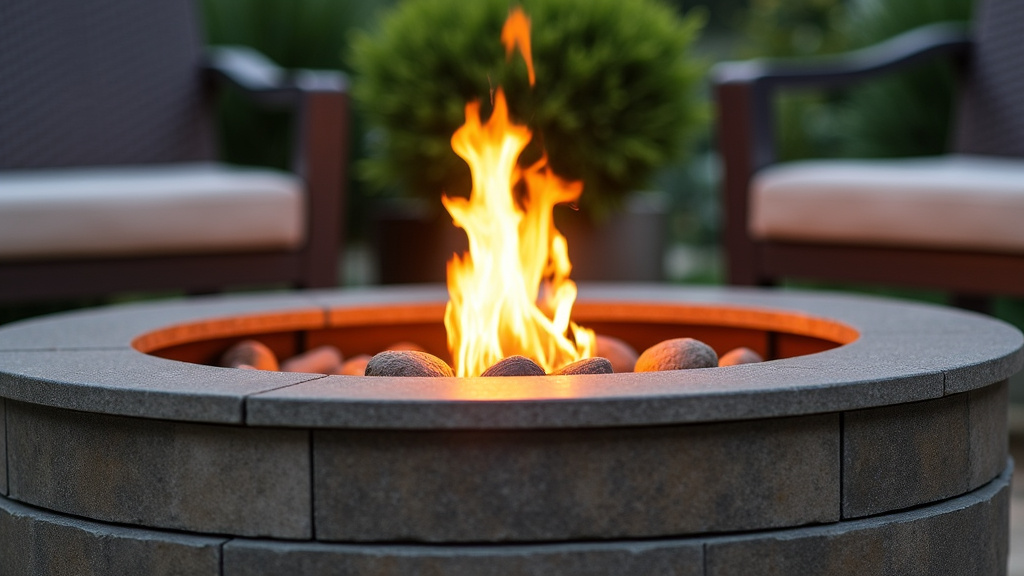
Table Comparison: Quick Glance at Your Options
Here’s a quick breakdown to help you decide:
| Feature Type | Pros | Cons | Best For |
|---|---|---|---|
| Portable Fire Pit | Flexible, many styles, easy to store | May have less surface area, fuel management | Renters, small spaces, changing layouts |
| Chimineas | Directs smoke up, stylish, contained fire | Can be fragile (clay), smaller fire size | Smoke-sensitive areas, decorative focal point |
| Bonfire Rings/Bowls | Simple, affordable, classic look | Less refined, can be basic | Budget-conscious, rustic feel, easy setup |
| DIY Fire Features | Customizable, cost-saving, rewarding project | Requires planning & safety knowledge, time commitment | Creative individuals, specific design needs |
Safety First: Essential Considerations for Any Fire Feature
No matter which alternative you choose, safety is paramount. Fires are fun, but they need respect. Always place your fire feature on a level, non-combustible surface like concrete, stone, or gravel. Keep it at least 10-25 feet away from structures, trees, and overhangs. We found that many accidental fires start from improper placement.
Clearance and Surroundings
Think about what’s around your fire. Overhanging branches are a fire hazard. So are dry leaves or wooden fences. Ensure a wide berth around the fire area. The U.S. Fire Administration (USFA) recommends keeping a clear space around any outdoor fire.
Fuel and Management
If you’re using wood, have dry, seasoned wood. Avoid treated lumber, which can release toxic fumes. For propane, always check for leaks. Never leave a fire unattended. Keep a fire extinguisher or water source nearby.
Local Regulations
It’s crucial to check your local fire codes. Some areas have restrictions on outdoor burning, especially during dry seasons. A quick call to your local fire department can save you a headache and ensure compliance.
Making the Most of Your Fire Feature Choice
Once you’ve selected your fire pit alternative, think about how you’ll use it. Do you want it for ambiance during quiet evenings? Or for gathering friends and family for s’mores?
Seating and Ambiance
Arrange your seating around the fire feature at a comfortable distance. You want everyone to feel the warmth without being too close. Add some comfortable cushions or blankets for extra coziness. Outdoor lighting can enhance the mood as dusk settles.
Accessories and Enhancements
Consider accessories like poker tools, spark screens, or even cooking grates if your feature allows. A small side table for drinks and snacks is always a good idea. These small additions can significantly improve your experience.
Choosing an alternative to a fire pit table doesn’t mean sacrificing the joy of an outdoor fire. It just means finding the perfect fit for your lifestyle and space. You can have that warm, inviting glow in your backyard with the right option!
Your Outdoor Fire Checklist:
- Choose a safe, level, non-flammable spot.
- Ensure ample clearance from structures and plants.
- Check local fire regulations before use.
- Keep a fire extinguisher or water source handy.
- Use appropriate, dry fuel for your fire type.
- Never leave a fire unattended.
Conclusion
You’ve seen that replacing a fire pit table is totally doable! You have many great choices to bring warmth and ambiance to your outdoor space. Portable fire pits offer flexibility, chimineas guide smoke away, and bonfire rings bring simple charm. Even DIY projects can create something special. Remember to always prioritize safety with proper clearance and local regulations. Your perfect outdoor fire experience is within reach. Now, go ahead and pick the alternative that best fits your yard and lifestyle!
Frequently Asked Questions
Are portable fire pits safe to use on a wooden deck?
Generally, it’s not recommended to place a portable fire pit directly on a wooden deck. We found that most manufacturers advise using a heat-resistant mat or placing the pit on a non-combustible surface like concrete pavers or gravel. Always check the specific product’s safety guidelines.
Can a chiminea be used in small apartment balconies?
Yes, a smaller chiminea can be a great option for apartment balconies, as its design directs smoke upwards. However, you must ensure there’s adequate clearance from any overhead structures and that the balcony surface is non-flammable. Always verify your building’s rules regarding open flames.
How much firewood do I need for a typical bonfire ring?
The amount of firewood needed varies greatly depending on the size of the ring, the type of wood, and how long you want the fire to burn. We suggest starting with a few logs and having extra dry, seasoned wood on hand. A good rule of thumb is to have enough to maintain a consistent flame for your desired duration.
What are the best materials for a DIY fire pit?
When building your own, we found that concrete blocks, fire bricks, and metal rings are popular and effective materials. Ensure any material you use is rated for high heat and won’t crack or break down. Always research thoroughly to confirm fire safety for any repurposed items.
How do I keep guests from getting too much smoke from a fire bowl?
While fire bowls can produce smoke, strategic placement and a gentle breeze can help. Position the bowl where the wind will naturally carry smoke away from your seating area. Using dry, seasoned hardwood also tends to produce less smoke than other fuels.