
How To Store Patio Umbrella For Winter?
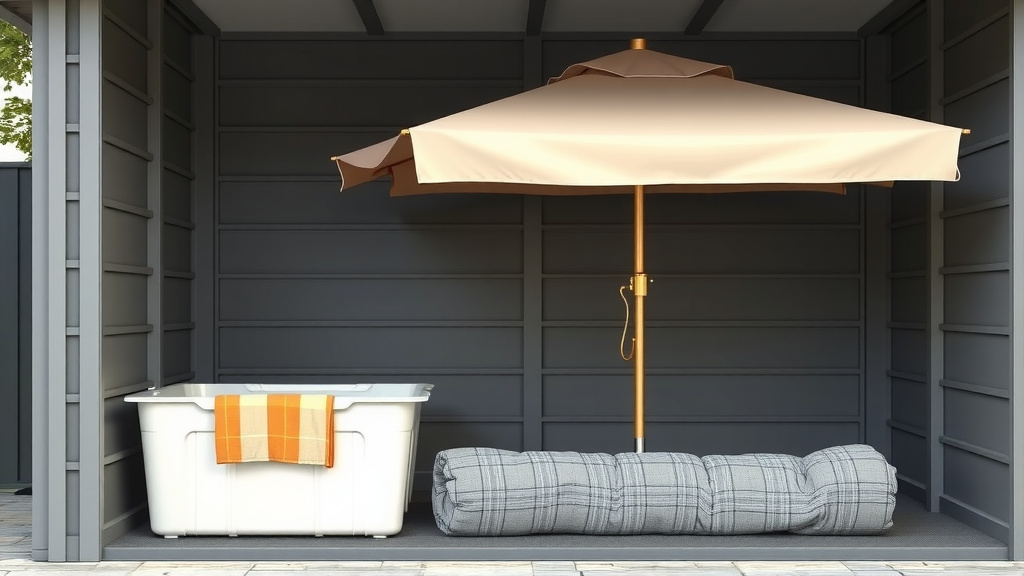
To store your patio umbrella for winter, thoroughly clean the canopy and frame, allow all parts to dry completely, then carefully disassemble the pole and canopy.
Once dry, fold the canopy neatly, secure it with a tie, and place it in a protective storage bag before storing in a dry, climate-controlled space like a garage or shed.
Here’s the straightforward answer to getting your patio umbrella ready for its winter slumber:
- Give your umbrella a good clean to remove dirt and mildew.
- Make sure every part is completely dry before packing it up.
- Disassemble the pole and canopy for easier, more compact storage.
- Invest in a sturdy storage bag to protect the fabric and frame.
- Choose a dry, protected spot, ideally indoors, for the winter months.
How To Store Patio Umbrella For Winter?
Storing your patio umbrella for winter involves cleaning, drying, disassembling, and then placing it in a protected, dry location. This process helps prevent damage, mold, and fading, keeping your umbrella looking great for many seasons.
Why Bother Storing Your Umbrella for Winter?
Imagine your favorite patio umbrella left out in the harsh winter elements. It’s a bit like leaving your car window open during a snowstorm, isn’t it? The goal of winter storage is simple: to extend its lifespan.
We found that exposure to freezing temperatures, heavy snow, and strong winds can quickly degrade fabric, warp frames, and rust metal components. A little effort now saves you from needing to buy a new one next spring.
Pre-Storage Prep: A Little TLC Goes a Long Way
Before you tuck away your umbrella, it needs a bit of tender loving care. Think of it as preparing for a long winter nap. A clean and dry umbrella is a happy umbrella.
Cleaning Your Umbrella Fabric
First things first, let’s get that canopy sparkling clean. You want to remove all the accumulated dirt, pollen, and any mildew that might have taken root.
Many experts say to start by brushing off any loose debris with a soft brush. Then, mix a mild soap (like dish soap) with water. Gently scrub the fabric using a soft cloth or sponge (Outdoor Living Guides).
Rinse thoroughly with a hose, making sure all soap residue is gone. This step is very important. Leaving soap can attract dirt later.
Allow the canopy to air dry completely. And we mean completely. Any moisture can lead to mildew, a nasty surprise when you open it up next spring. Hang it open on a sunny day until it’s bone dry.
Cleaning the Umbrella Frame and Base
Don’t forget the frame! Use a damp cloth to wipe down the pole, ribs, and crank mechanism. Check for any signs of rust or grime. If you spot rust on metal parts, you might gently scrub it off with a wire brush and apply a rust-inhibiting primer.
The base often collects dirt and leaves. Give it a good scrub too. If your base is filled with sand or water, you might consider emptying it, especially if you live in an area with freezing temperatures. This prevents the base from cracking if water expands.
Inspecting for Damage
While you’re cleaning, take a moment to look over your umbrella. Are there any small tears in the fabric? Is the crank mechanism working smoothly? Are the ribs bent?
Fixing small issues now can prevent bigger problems later. A simple fabric patch can prevent a small tear from becoming a large rip. Lubricating the crank can ensure it operates properly next year.
Disassembly: Taking It Apart Safely
Getting your umbrella into its winter mode often means taking it apart. This makes storage much easier and helps protect components.
Lowering and Closing the Canopy
Before any major disassembly, make sure the umbrella canopy is fully closed and secured with any attached tie straps. This keeps the fabric tidy and prevents it from flapping around.
Separating Pole Sections
Most patio umbrellas have poles that come in two sections. Look for a button or a screw release near the middle of the pole. Gently separate the two halves. This makes the pole much shorter and easier to handle or store.
Removing the Canopy (If Applicable)
Some umbrella models allow you to detach the canopy fabric from the frame. If yours does, carefully remove it. This can make cleaning and storing the fabric separately easier. Always check your specific umbrella’s instructions.
The Right Way to Fold and Wrap Your Canopy
Once your canopy is spotless and dry, it’s time to fold it. How you fold it makes a real difference in how it holds up over winter.
Think of it like folding a parachute. You want it neat, compact, and wrinkle-free if possible. A tightly folded canopy takes up less space and is less likely to get snagged or damaged.
Here’s a good approach:
- Lay the dry canopy flat on a clean surface.
- Gather the fabric sections together, making sure they are aligned.
- Smooth out any major wrinkles as you fold.
- Roll or fold it tightly from one end to the other.
- Use the attached tie strap, or a strong piece of rope or bungee cord, to secure the bundle tightly. This prevents it from unraveling.
Choosing Your Winter Home: Where to Keep It Safe
Now that your umbrella is prepped, where should it spend its winter vacation? The best place depends on your resources and climate.
Indoor Storage Options
Storing your umbrella indoors is generally the best choice. A garage, basement, or even a spare closet works well. These spaces offer protection from extreme temperatures, moisture, and pests.
A climate-controlled environment is ideal, but simply being out of the elements helps a lot. We found that storing your umbrella vertically can save space if you lean it against a wall. Horizontal storage is also fine, as long as it’s supported to prevent bending.
Outdoor Storage (If You Must)
Sometimes, indoor space is simply not an option. If you must store your umbrella outdoors, you need to take extra precautions. Use a heavy-duty, waterproof storage cover designed for outdoor furniture. Look for covers made from durable, breathable materials.
Even with a cover, try to elevate the umbrella off the ground to prevent moisture wicking up. Placing it on a pallet or some blocks can help. Remember, outdoor storage always carries a higher risk of damage.
Here’s a quick comparison:
| Storage Method | Pros | Cons |
|---|---|---|
| Indoor (Garage, Basement) | Max protection from elements, pests; maintains fabric quality | Requires available indoor space; can be bulky |
| Outdoor (with cover) | No indoor space needed; convenient for quick access | Higher risk of weather damage, mold, fading; cover can wear out |
The Power of a Good Storage Bag
Investing in a purpose-made storage bag is a smart move. These bags are often water-resistant and provide a crucial layer of protection against dust, dirt, and accidental knocks. They also make carrying and organizing your umbrella much easier.
Many bags come with handles and zippers, making them easy to transport. Look for bags made from durable, breathable materials that will last for several seasons. Some even have padding for extra protection.
Winterizing the Base and Pole
Don’t forget the base! If it’s a fillable type, make sure it’s completely empty and dry to prevent cracking from freezing water. For heavier solid bases, simply clean them and store them in a protected area. The pole sections can be stored alongside the canopy, preferably within the same bag or bundled together.
Your Winter Umbrella Checklist
To make sure you’ve covered all your bases, here’s a quick checklist:
- Did you clean the canopy thoroughly?
- Is the umbrella completely dry, inside and out?
- Are all pole sections separated?
- Is the canopy neatly folded and tied?
- Is it protected in a sturdy storage bag or cover?
- Is it stored in a dry, protected location?
Conclusion
Taking the time to properly store your patio umbrella for winter is a simple act of care that pays off big. By cleaning, drying, disassembling, and protecting your umbrella, you’re ensuring it remains a beautiful and functional part of your outdoor space for years to come. It’s a little effort now for a lot of enjoyment later. Happy sheltering!
Can I leave my patio umbrella outside in winter?
While possible with a heavy-duty, waterproof cover, it’s generally not recommended. Outdoor winter storage increases the risk of weather damage, mildew, and fading compared to indoor storage.
How do I clean mold or mildew off my patio umbrella before storing?
For mold or mildew, mix a solution of equal parts white vinegar and water, or a mild bleach solution (1 part bleach to 10 parts water). Spray the affected areas, let it sit for 15-20 minutes, then scrub with a soft brush and rinse thoroughly. Always ensure it’s completely dry before storage.
Should I remove the umbrella base for winter?
Yes, it’s a good idea to remove and clean the base. If your base is fillable with water or sand, empty it completely to prevent cracking from freezing water and to make it lighter to move.
What kind of storage bag is best for a patio umbrella?
A durable, water-resistant storage bag made from materials like heavy-duty polyester or canvas is ideal. Look for features like strong zippers, handles, and UV protection if it will be exposed to any light during storage.
Does storing an umbrella vertically or horizontally matter?
For the umbrella pole, either vertical or horizontal storage is fine, as long as it’s properly supported to prevent bending. For the canopy bundle, horizontal storage on a shelf or flat surface can help avoid creases, but vertical is fine if space is tight.
