
How To Store Patio Heater?
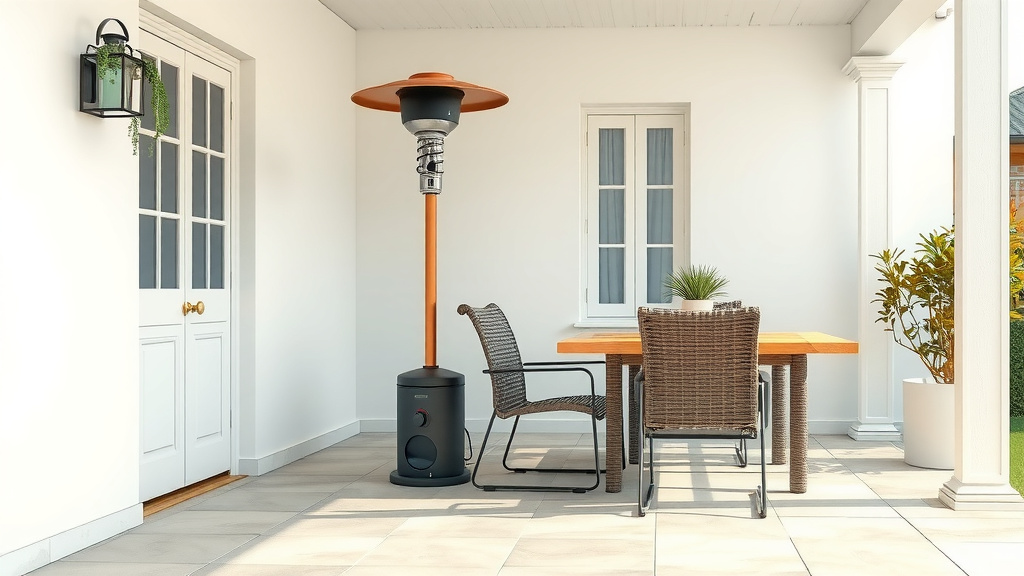
To store a patio heater properly, you should first clean it thoroughly and ensure all fuel lines are clear. Then, disassemble removable parts like the reflector and burner for compact and safe keeping, always protecting components from moisture.
Storing your patio heater correctly extends its life and ensures it’s ready for the next cool evening. Proper storage involves a few simple steps, protecting your investment from weather and damage.
- Clean your heater thoroughly to remove dirt and debris.
- Disconnect and safely store the propane tank.
- Disassemble parts like the reflector and burner for compact storage.
- Use a protective cover if storing outdoors.
- Choose a dry, sheltered location to prevent rust and damage.
How To Store Patio Heater?
Storing your patio heater involves careful cleaning, disassembly, and finding a suitable location. This protects it from the elements and keeps it working well for seasons to come.
Why Bother Storing Your Patio Heater Right?
Think of your patio heater like a trusty companion for chilly nights. Just like you wouldn’t leave your car out in a blizzard without cover, your heater needs some care too. We found that proper storage prevents rust and ensures it fires right up when you need it (Consumer Reports).
You want to enjoy those brisk evenings without fuss, right? Taking a little time now saves you headaches and repair costs later. It’s like putting away your summer clothes when winter arrives; it just makes sense.
Planning Ahead for Storage Success
Before you even think about putting that heater away, a little planning goes a long way. What kind of heater do you have? Is it natural gas or propane? This will affect how you prepare it for its long rest.
Consider your space too. Do you have a garage, a shed, or just a small corner on the patio? Knowing your options helps you decide the best storage method. Don’t worry; we will walk you through it.
Step-by-Step Preparation for Storage
Preparing your patio heater for storage is a bit like getting a boat ready for winter. You need to do a few things before it can go into hibernation. These steps are simple and make a real difference.
The main goal here is to keep moisture, dirt, and pests from causing trouble. A clean, dry heater stores much better than one left to the elements. Let’s get started on this vital process.
Safety First: Disconnecting Fuel Sources
This is arguably the most important step. If you have a propane heater, you must disconnect the propane tank. Turn off the gas valve on the tank completely. Then, unscrew the regulator connection.
Store the propane tank upright and outdoors in a well-ventilated area, away from direct sunlight or heat sources. Never store propane tanks indoors (National Fire Protection Association). For natural gas heaters, simply turn off the gas supply valve at the wall connection.
Giving It a Good Clean
Nobody likes a dusty, grimy heater come spring. A quick but thorough cleaning makes a huge difference. You’ll want to remove any dirt, dust, or spiderwebs from the heater’s exterior.
Use a damp cloth with mild soap and water. Pay attention to the burner area, the reflector, and the base. Ensure all surfaces are completely dry before moving to the next step. Moisture is the enemy of stored items.
Here’s a quick checklist for cleaning:
- Wipe down all exterior surfaces.
- Clean the reflector with a soft cloth.
- Remove debris from burner vents.
- Check for rust spots and treat them if found.
- Ensure everything is totally dry.
To Disassemble or Not to Disassemble?
This is a common question patio heater owners ask. The answer often depends on your storage space and the type of heater. We found that disassembly offers space savings and better protection for components.
Many experts say taking it apart can prevent damage during storage. You can clean individual pieces more thoroughly too. Think about it: a flat reflector is less likely to bend than one left attached.
When Disassembly Makes Sense
If you have limited storage space, taking your heater apart is a smart move. The large reflector on most heaters can be detached, as can the post and base. This breaks it down into more manageable pieces.
Consider disassembling if you plan to store it for many months. It allows you to inspect parts closely and pack them individually. This protection can save you money on replacements later on.
Key Parts to Detach for Storage
Generally, you should consider removing the following components:
- The large heat reflector on top.
- The burner assembly, if easily detachable.
- The main post from the base.
- Any wheels or detachable side tables.
Keep all screws, nuts, and bolts in a small, labeled bag. Taping this bag to a main component, like the base, makes reassembly much easier next season. Nobody wants to hunt for missing hardware.
Protecting Your Heater from the Elements
Once clean and potentially disassembled, your heater needs protection. Even if stored indoors, dust can settle. If outdoors, the fight against moisture and critters is constant. A good cover is your best friend here.
You wouldn’t leave a delicate instrument uncovered, right? Your patio heater, with its metal parts and gas lines, deserves the same consideration. Protection equals longevity.
The Power of a Good Cover
A quality patio heater cover is waterproof, UV-resistant, and breathable. It shields your heater from dust, dirt, moisture, and even curious insects. We found that covers with drawstrings or zippers stay put better in windy conditions.
Even if you store your heater in a garage, a cover keeps it clean and ready. It prevents that annoying layer of garage dust that seems to settle on everything. Think of it as a cozy blanket for your heater.
Addressing Moisture Concerns
Moisture is the archenemy of metal patio heaters. It leads to rust, which can compromise both appearance and function. Even a little dampness can cause problems over time. Aim for a dry storage spot.
If storing in an area with high humidity, consider adding some moisture-absorbing packets inside the cover. These small silica gel packs can make a difference, pulling excess dampness out of the air.
Choosing the Perfect Storage Location
Where you store your patio heater is almost as important as how you prepare it. The right location protects it from temperature swings, humidity, and potential damage. Let’s compare some options.
Think about your available space and local climate. A shed might be fine in a dry climate, but a garage might be better if you experience lots of rain or snow. Every little bit of protection helps.
| Storage Location | Pros | Cons |
|---|---|---|
| Indoors (Garage, Shed) | Best protection from weather, dust, pests. | Requires space, may need disassembly. |
| Outdoors (Covered) | Convenient, less space needed indoors. | Still exposed to humidity, extreme temps. |
| Climate-Controlled Storage | Optimal conditions for long-term preservation. | Cost, transport, not always practical. |
Garage or Shed: The Ideal Spot
A garage or shed is often the best choice for storing a patio heater. It offers protection from rain, snow, and direct sunlight. These spaces usually keep temperatures more stable than leaving it outside.
Make sure the area is dry and well-ventilated. Avoid storing it directly on a concrete floor, which can sometimes transfer moisture. Use a pallet or cardboard to create a barrier.
Outdoor Storage: When It’s Your Only Option
Sometimes, indoor space just isn’t an option. If you must store your patio heater outdoors, make sure it’s under a sturdy patio cover or awning. This offers some shelter from direct rain.
Always use a heavy-duty, waterproof cover that fits snugly. Secure it well against wind. We found that placing it in a less exposed area, like against a wall, can also provide extra protection (Home Depot guides).
Final Checks Before the Big Sleep
You’ve cleaned, disconnected, protected, and found a spot. Great work! Before you finally tuck your heater away, a few last checks can prevent any surprises when you pull it out next season.
These small actions ensure a smooth transition from storage to active use. It’s like checking the oil before a long road trip; you just want to be certain everything is in order.
Accessory Management
Do you have any remote controls, instruction manuals, or spare parts? Gather these items and put them in a sealed plastic bag. Store this bag with the heater, perhaps taped to the base or inside its cover.
Knowing where your manual is can save you frustration when you go to reassemble or troubleshoot in the future. Nobody enjoys searching for tiny remotes in a crowded drawer.
Periodic Inspections
If your heater is stored for a very long time, especially outdoors, it is a good idea to check on it periodically. Every few months, just take a peek. Is the cover still secure? Are there any signs of pests?
This quick check ensures that small issues don’t become big problems. It offers peace of mind too, knowing your heater is safe and sound. A little vigilance goes a long way.
Conclusion
Storing your patio heater correctly isn’t just about tidiness; it’s about protecting your investment and ensuring countless more cozy evenings. By taking the time to clean, disconnect, and properly house your heater, you save yourself future headaches and costs.
Whether it’s nestled in a garage or patiently waiting outdoors under a strong cover, these straightforward steps guarantee your patio heater will be ready for action when the first chill of autumn returns. So, gather your supplies, follow these simple guidelines, and give your heater the rest it deserves.
How do I prepare a propane patio heater for off-season storage?
First, turn off the propane tank valve and disconnect the tank, storing it outdoors in a ventilated area. Then, clean the entire heater, wipe it dry, and consider disassembling parts like the reflector for compact storage. Finally, cover it with a weather-resistant cover.
Can I store a patio heater outside during winter?
You can store a patio heater outside during winter, but it requires a very robust, waterproof, and UV-resistant cover. Place it in a sheltered spot, such as under an awning or a patio roof, to reduce exposure to harsh elements. Indoor storage remains the best option for longevity.
Should I remove the propane tank before storing my patio heater?
Yes, always remove the propane tank before storing your patio heater. Propane tanks should be stored upright and outdoors in a well-ventilated area, away from direct sunlight or heat, and never indoors for safety reasons.
What kind of cover is best for patio heater storage?
The best cover for patio heater storage is made from heavy-duty, waterproof, and UV-resistant material. Look for covers with features like drawstrings, elastic hems, or zippers to ensure a snug fit that stays secure in windy conditions and prevents moisture intrusion.
How do I prevent rust on my patio heater during storage?
To prevent rust, ensure your patio heater is completely clean and dry before storage. Store it in a dry, well-ventilated area, preferably indoors. If storing outdoors, use a high-quality, waterproof cover and consider moisture-absorbing packets inside the cover, especially in humid climates.
