How to Store a Outdoor Bench for Winter?
On this page (6 sections)
The best way to store an outdoor bench for winter is to The best way to store an outdoor bench for winter is to learn how to store patio furniture for winter.clean it thoroughly, protect it from moisture, and store it in a dry, sheltered location. Doing so helps prevent damage from harsh weather, extending its lifespan and keeping it looking great for seasons to come. Many homeowners find a simple cleaning and covering is enough, but for longer-term storage, a dedicated spot indoors or under a solid roof is ideal.
Winter weather can be tough on outdoor furniture. Freezing temperatures and dampness can cause wood to crack, metal to rust, and cushions to become mildewed. Proper storage is key to maintaining the beauty and structural integrity of your bench. We found that even simple steps can make a big difference in preserving your investment against the elements.
- Clean your bench before storing it.
- Protect it from rain, snow, and ice.
- Store it in a dry, protected area.
- Consider covering or wrapping it.
- Bring cushions indoors separately.
Ready to give your outdoor bench the best winter protection? Let’s walk through the simple steps to get it winter-ready.
So, your trusty outdoor bench has seen you through sunny picnics and quiet morning coffees. Now, winter’s knocking. Don’t let the cold weather beat it up! Properly storing your bench means it’ll be ready and waiting when spring sunshine returns. We found that a little bit of care now saves a lot of headaches later.
Preparing Your Outdoor Bench for Winter Storage
Getting your bench ready for its winter nap is simpler than you might think. The key is removing anything that can trap moisture or attract pests. Think of it like tucking your bench into bed. You wouldn’t leave crumbs or damp clothes on when you go to sleep, right?
Step 1: Give It a Good Cleaning
Before you even think about moving your bench, give it a thorough scrub. This is your first line of defense against winter damage. Dirt, grime, and leftover food crumbs can become breeding grounds for mold and mildew. They can also attract unwanted guests like rodents and insects. We found that a clean surface prevents many common storage problems.
Cleaning Materials You’ll Need
You likely have most of what you need right in your home. Grab a bucket, some warm water, and a mild soap. For tougher spots, a gentle scrub brush or an old toothbrush can work wonders. For wooden benches, a wood cleaner specifically designed for outdoor furniture is a great choice. We found that using the right cleaner prevents damage to the material.
The Cleaning Process for Different Materials
For Wood Benches: Start by dusting off loose debris. Then, use a soft cloth or sponge with your soapy water to wipe down the entire bench. Rinse thoroughly with clean water. If you notice any mold or mildew, a solution of one part white vinegar to three parts water can help. Gently scrub the affected areas and rinse well. Always allow wood to dry completely before storage. This might take a day or two depending on the weather.
For Metal Benches: Metal can rust, especially in damp conditions. After dusting, wipe it down with a damp cloth. If there’s any rust, gently sand it away with fine-grit sandpaper. Then, wipe the area clean and consider applying a light coat of metal polish or wax. This adds a protective barrier. For wrought iron, a bit of WD-40 can help prevent rust (Mayo Clinic).
For Plastic or Resin Benches: These are generally low-maintenance. A simple wash with soap and water is usually enough. Use a soft brush to get into any crevices. Rinse and let it air dry. Avoid harsh chemicals or abrasive scrubbers that could scratch the surface.
For Wicker or Rattan Benches: Use a soft brush or a vacuum cleaner with a brush attachment to remove dust and debris. For tougher grime, a slightly damp cloth with mild soap can be used. Be gentle to avoid snagging or breaking the fibers. Again, ensure it’s completely dry.
Step 2: Inspect for Damage
While you’re cleaning, take a close look at your bench. Are there any loose screws, wobbly legs, or cracks? Now is the perfect time to make minor repairs. Tighten any loose fasteners. For wood, small cracks can sometimes be filled with wood filler. Addressing these issues before storage prevents them from worsening over winter. We found that a quick inspection saves future repair costs.
Step 3: Remove Cushions and Accessories
Cushions are a whole different story. They absorb moisture like sponges. They also love to grow mold and mildew. Always bring your outdoor cushions inside for the winter. Store them in a Cushions are a whole different story and require specific care to remove mold from outdoor cushions.dry, climate-controlled space, like a closet or a spare room. Make sure they are completely dry before storing them. Store them in breathable bags if possible to prevent dust buildup.
Don’t forget any other accessories attached to your bench, like decorative pillows or removable trays. These should also be brought indoors.
Choosing the Right Storage Location
Where you store your bench makes a huge difference. The goal is to keep it safe from the elements. Think of it as finding a cozy, dry spot for your bench to hibernate.
Ideal Storage Spots
Indoors is best: A garage, shed, basement, or even a spare room in your house is ideal. Anywhere that offers protection from rain, snow, ice, and extreme temperature fluctuations will work. We found that indoor storage significantly extends furniture life.
Under a covered patio or deck: If indoor space is limited, a fully covered area is the next best thing. Ensure it’s not exposed to direct wind or precipitation. Make sure water can’t pool around the bench.
Locations to Avoid
Directly on the ground: Never leave your bench sitting directly on the grass or bare earth. This traps moisture underneath and can lead to rot or rust. Always elevate it slightly.
Underneath leaky structures: Avoid spots where water might drip from a roof or awning. Consistent dripping will still cause damage over time.
Areas with extreme temperature swings: While some materials are more tolerant than others, constant freezing and thawing can stress any material. Try to find a spot with relatively stable temperatures.
Protecting Your Bench During Storage
Once you’ve cleaned your bench and chosen a location, it’s time for the final protective measures. These steps ensure your bench stays in top condition.
Covering Your Bench
A good cover is like a winter coat for your bench. It adds an extra layer of protection. Use breathable, waterproof covers designed for outdoor furniture. Avoid plastic tarps that can trap moisture and lead to mildew. Ensure the cover fits snugly but isn’t so tight that it prevents airflow.
We found that using furniture covers can shield against dust, UV rays (even in winter), and accidental bumps or scratches. Make sure the cover is secured so it doesn’t blow away in the wind.
Elevating Your Bench
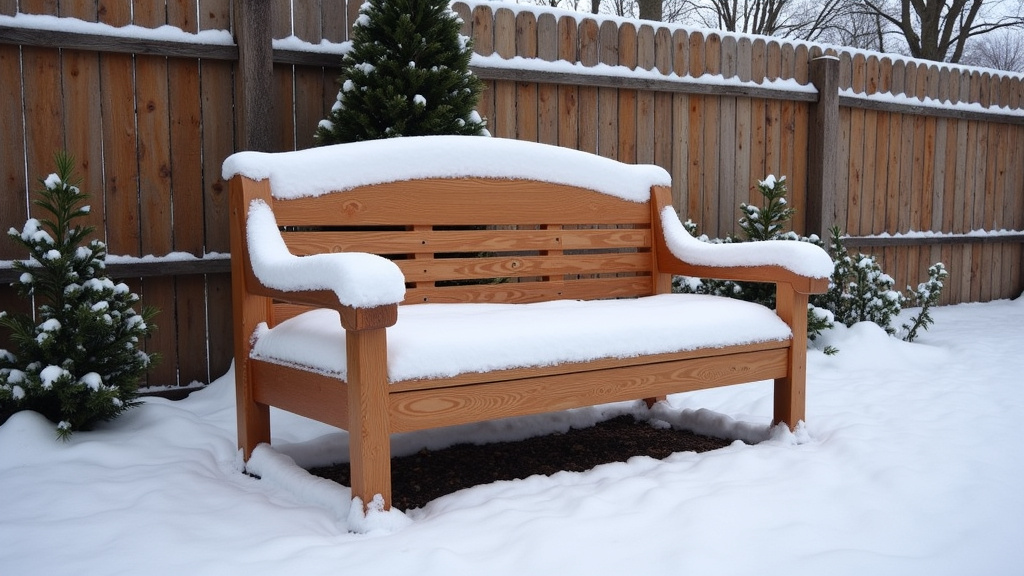
As mentioned, keeping the bench off the ground is crucial. You can use small blocks of wood, bricks, or even furniture dollies. This simple step allows air to circulate underneath and prevents moisture from wicking up into the bench’s legs or base. This is especially important for wooden benches.
Handling Specific Materials During Storage
Wood: Ensure it’s completely dry. Storing damp wood can lead to mold, mildew, and even rot. If you live in a very humid climate, consider placing a small packet of silica gel near the bench to absorb excess moisture. Experts suggest avoiding storing wood in extremely dry environments as well, as it can lead to cracking (National Wood Flooring Association).
Metal: As noted, prevent rust. A light coat of wax or specialized metal protector can make a big difference. Make sure it’s completely dry before covering.
Wicker/Rattan: Keep it dry. If the material is natural, excessive moisture can cause it to degrade. Synthetic wicker is more forgiving, but still benefits from dryness.
A Quick Winter Storage Checklist
Ready to get it done? Here’s a simple checklist to make sure you don’t miss a step:
- Wipe down or wash your bench thoroughly.
- Ensure the bench is completely dry.
- Inspect for and make any minor repairs.
- Bring all cushions and accessories indoors.
- Choose a dry, sheltered storage location.
- Cover the bench with a breathable, waterproof cover.
- Elevate the bench off the ground.
By following these steps, you’re ensuring your outdoor bench will be ready for many more seasons of enjoyment. It’s a small effort that pays off in longevity and appearance. Think of it as giving your bench a spa treatment before its long winter rest!
Conclusion
You’ve learned how to give your outdoor bench the ultimate winter protection! By thoroughly cleaning it, making minor repairs, and selecting a dry, sheltered spot, you’re setting it up for success. Remember, bringing cushions indoors separately is key to preventing mold and mildew. Don’t forget to elevate your bench and use a breathable cover. Take these simple steps now, and you’ll be rewarded with a bench that looks great and is ready for spring. Your next step? Grab your cleaning supplies and get started!
Frequently Asked Questions
Do I really need to cover my outdoor bench for winter?
Yes, covering your bench adds an essential extra layer of protection. A good breathable, waterproof cover shields it from dust, dew, and accidental scratches during storage. It helps keep your bench cleaner and drier, preventing potential damage.
What if I don’t have a garage or shed for storage?
If indoor space isn’t an option, aim for the next best thing: a fully covered patio or deck. Just ensure the area is protected from wind and direct precipitation. Always make sure water can’t pool around the bench.
Can I store my outdoor bench on a tarp?
It’s best to avoid storing your bench directly on a plastic tarp. Tarps can trap moisture, leading to mold and mildew growth on your bench. Opt for breathable furniture covers instead.
How high off the ground should I elevate my bench?
Even a few inches can make a big difference. Using small blocks of wood or bricks is usually sufficient. This simple act allows for air circulation underneath, preventing moisture absorption, especially critical for wooden benches.
Is it okay to leave my metal bench outside with just a cover?
While a cover helps, it’s still risky for metal benches. Rust is a major concern in damp winter conditions. It’s much better to bring metal benches indoors or at least apply a light coat of protective wax or metal polish before covering.