How To Protect Patio Cushions?
You protect patio cushions by consistently using waterproof covers, storing them in a dry place like a deck box or indoors during bad weather, and regularly cleaning them to prevent mold and mildew growth.
Maintaining the lifespan of your patio cushions involves choosing durable fabrics, ensuring proper ventilation, and applying UV protectant sprays to shield them from the elements.
Here’s a quick summary of how you can keep your patio cushions looking great for years:
- Always cover your cushions when not in use or during rain.
- Store them in a dry, enclosed space like a deck box or garage when not in season.
- Clean spills immediately to stop stains from setting in.
- Choose cushions made from weather-resistant materials for extra durability.
- Lift cushions regularly to allow for proper air circulation and prevent moisture buildup.
How To Protect Patio Cushions?
Protecting your patio cushions means taking simple steps to shield them from sun, rain, and dirt. This care helps them look good and last longer, saving you money in the long run.
Why Bother Protecting Your Cushions?
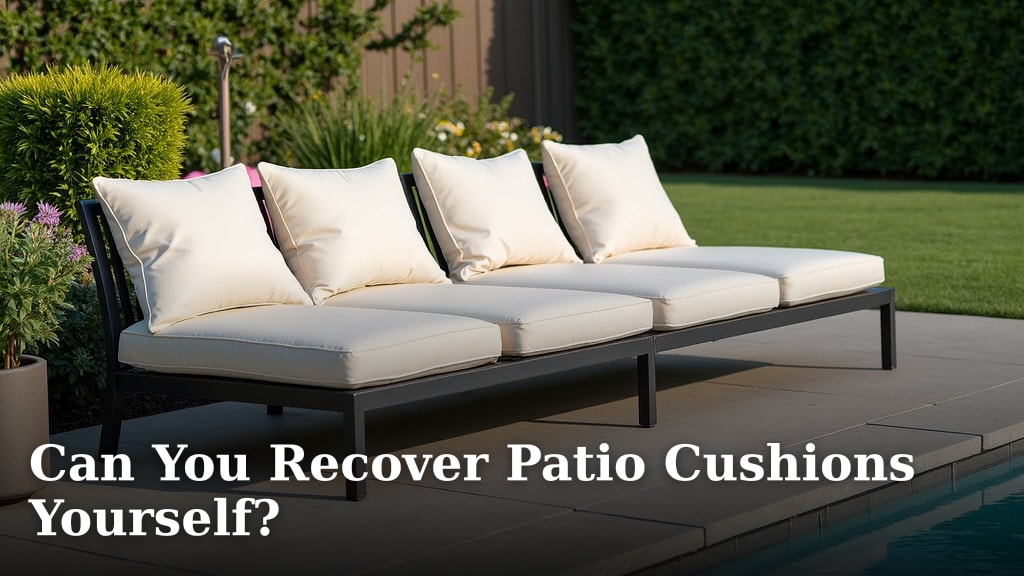
Think about your patio cushions as an investment. They add comfort and style to your outdoor space, right? Leaving them exposed to the elements can quickly ruin them.
Sun fades colors, rain causes mildew, and dirt makes them look tired. A little protection goes a long way in keeping them vibrant and comfy for many seasons.
Daily Habits for Cushion Longevity
You don’t need to spend hours protecting your cushions. Simple daily actions can make a huge difference. These small efforts build up to significant savings and enjoyment over time.
Quick Cover-Ups
When a storm is brewing or you’re done using the patio for the day, a quick cover is your best friend. Individual cushion covers or even a furniture cover can do wonders. It takes moments, but it shields them from unexpected showers and morning dew.
Lifting for Airflow
Do you ever notice moisture collecting underneath cushions? We found that lifting your cushions after rain or heavy humidity helps them dry out faster. This simple act prevents trapped moisture, which is a big cause of mildew (NIH).
The Power of Proper Storage
Where you put your cushions when not in use is almost as important as covering them. Good storage keeps them clean, dry, and ready for your next outdoor gathering.
Investing in a Deck Box
A waterproof deck box is a fantastic solution for patio cushion storage. A lockable deck box can also keep cushions secure and out of sight. It keeps them dry and protected from critters. Plus, it acts as an extra surface for serving or seating when closed.
Bringing Them Indoors
During extended periods of bad weather, or when the season ends, consider bringing your cushions inside. A garage, shed, or even a spare room works perfectly. This protects them from harsh winter conditions or prolonged summer humidity.
Choosing the Right Cushion Covers
Not all cushion covers are created equal. The material and design play a huge role in how well they protect your actual cushions. It’s worth understanding the options.
Understanding Material Types
Many experts say that fabric choice is key for outdoor durability. Here’s a quick look at common materials we found:
| Material Type | Key Benefit | Consideration |
|---|---|---|
| Sunbrella | Excellent UV and fade resistance | Higher initial cost |
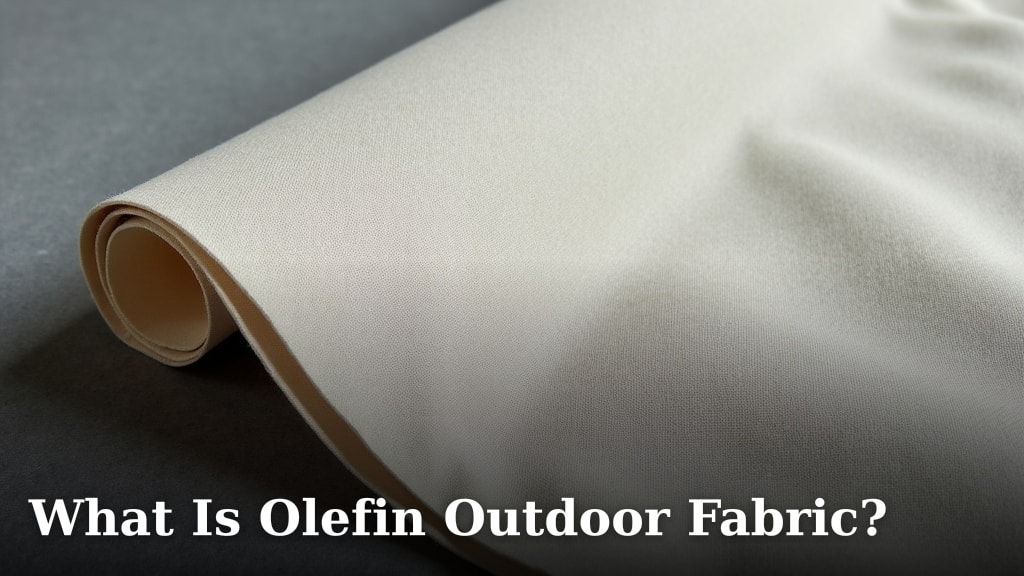
| Olefin | Good fade, stain, and mildew resistance | Can be less soft than other options |
| Polyester | Affordable, often water-resistant | Can fade over time with direct sun |
| Textilene | Very durable, quick-drying mesh | More structured, less “cushy” feel |
Waterproof vs. Water-Resistant
There’s a big difference here. Waterproof covers block all water, while water-resistant ones can handle light showers but might soak through in heavy rain. For ultimate protection, especially if cushions stay outside, choose waterproof.
Cleaning and Maintenance Are Key
Even with great protection, your patio cushions will get dirty. Knowing how to clean them properly ensures they stay fresh and last longer without damage.
Spot Cleaning Spills
Accidents happen, don’t they? If you spill something, tackle it immediately. Most stains come out easily if you blot them with a clean cloth and a mild soap solution. Don’t rub, just blot!
Deep Cleaning Strategies
From time to time, your cushions might need a deeper clean. Here’s what we found works best:
- Remove covers if possible and machine wash on a gentle cycle with cold water.
- For non-removable covers, mix mild soap with water.
- Gently scrub the cushion with a soft brush.
- Rinse thoroughly with a hose, ensuring all soap is removed.
- Allow cushions to air dry completely, standing them on their side for better airflow.
Battling Mildew and Mold
Mildew is a common enemy of patio cushions. It loves damp, warm places. For mildew spots, a solution of water and white vinegar (1:1 ratio) can be effective. Many guidelines point to a diluted bleach solution for stubborn mold (Mayo Clinic), but test a small area first.
Protecting Against Sun Damage
The sun, while lovely, can be quite harsh on fabrics. Its UV rays are notorious for fading colors and breaking down materials over time. Protecting against this is vital.
The Role of UV-Resistant Fabrics
When buying new cushions, look for fabrics advertised as UV-resistant. These materials have special dyes and weaves that slow down the fading process significantly. It’s an investment that pays off season after season.
Strategic Shading Solutions
Beyond fabric, consider where your patio furniture sits. Umbrellas, pergolas, or awnings provide excellent shade. This isn’t just for you; it’s a fantastic way to shield your cushions from direct, intense sunlight throughout the day.
Winterizing Your Patio Cushions
As colder weather approaches, it’s time to prepare your cushions for their winter nap. Proper winterization prevents damage from frost, snow, and prolonged dampness.
Here’s a quick checklist to make sure your cushions are ready for winter:
- Thoroughly clean all cushions and let them dry completely.
- Inspect for any tears or damage that needs repair.
- Apply a fabric protectant spray for an extra layer of defense.
- Store them in a dry, rodent-free area like a garage or basement.
- Consider placing them in breathable storage bags to prevent dust.
Quick Tips for Everyday Care
Keeping your patio cushions in top shape is an ongoing task. A few simple habits will ensure they remain comfortable and inviting, ready for your next outdoor relaxation moment.
Always try to rotate your cushions regularly. This helps them wear evenly, much like rotating tires on a car. Also, check for any small damages like loose seams and repair them early. Catching small problems early prevents them from growing into bigger issues.
Conclusion
Protecting your patio cushions is simpler than you might think. By combining smart storage, timely cleaning, and choosing the right materials, you can significantly extend their life. Think of it as caring for a friend who brings so much comfort to your outdoor living space. A little effort truly ensures many more seasons of relaxation and enjoyment on your patio.
How often should I clean my patio cushions?
It’s best to spot clean spills immediately and plan for a deeper clean at least once or twice a season, or more often if they see heavy use or are exposed to a lot of dirt and pollen. Regular cleaning prevents build-up.
Can I leave my patio cushions outside all year?
While some cushions are very durable, leaving them outside all year, especially in harsh climates, isn’t ideal. We found that storing them indoors or in a waterproof deck box during off-seasons significantly extends their lifespan and appearance.
What should I do if my cushions get wet?
If your cushions get wet, dry them as quickly as possible. Stand them on their sides or prop them up to allow air to circulate freely around them. Ensure they are completely dry before storing to prevent mildew.
Are all outdoor cushion fabrics resistant to fading?
No, not all outdoor cushion fabrics are equally resistant to fading. Materials like Sunbrella and Olefin are designed with high UV resistance, making them much more fade-proof than standard polyester fabrics over time. Always check the fabric specifications.
How can I prevent bugs or pests from getting into my stored cushions?
To prevent pests, make sure cushions are clean and dry before storage. Store them in sealed, breathable storage bags or a tightly closed deck box. Adding a few cedar blocks or natural pest deterrents to the storage area can also help keep unwanted guests away.