How To Fix Patio Chairs?
To fix patio chairs, you typically need to address common issues like loose joints, torn fabric, rust, or wobbly legs. Most repairs involve simple tools and replacement parts, making your outdoor furniture usable again.
You can often repair your patio chairs yourself by tightening hardware, patching slings, or applying rust treatments, saving money and extending their lifespan.
Here’s a quick summary of what you’ll find to help your patio chairs:
- Identify common chair problems quickly.
- Learn practical solutions for various materials.
- Discover how to tighten loose joints easily.
- Get tips for repairing rips in fabric slings.
- Understand simple rust removal and prevention.
How To Fix Patio Chairs?
Fixing patio chairs often involves simple repairs to restore comfort and stability, tackling issues from loose bolts to torn fabric. You can revive your favorite patio furniture repairs with a few tools and a little patience.
Why Do Patio Chairs Break Down?
Patio chairs face tough conditions, from harsh sun to heavy rain, causing wear and tear. Over time, exposure leads to materials degrading, joints loosening, and finishes fading, making them less inviting to sit on.
Common Culprits of Wear and Tear
Sunlight, moisture, and temperature changes are major factors. UV rays weaken plastics and fabrics, while rain promotes rust on metal parts. Even regular use contributes to eventual damage, as we often find with any outdoor item.
Assessing Your Patio Chair’s Damage
Before you fix patio chairs, take a good look at the problem. What exactly is wrong? Is it a loose patio chair, a sagging seat, or maybe some ugly rust spots?
Spotting the Signs of Trouble
Check for wobbles, creaks, tears, or discoloration. Often, a quick inspection reveals whether the issue is minor or needs a bigger fix. Sometimes, all it takes is a gentle shake to find the weakness.
Tools and Materials You Might Need
Having the right gear makes any repair job smoother. Gather your tools before you start, just like a chef preps ingredients. You don’t want to stop mid-fix looking for a wrench.
Many experts say a basic toolkit for patio chair repairs should include these items (Home Depot Guides):
- Screwdrivers (Phillips and flathead)
- Wrenches (adjustable or a socket set)
- Pliers
- Sandpaper (various grits)
- Rust-removing solution
- Fabric repair kit or strong adhesive
- Replacement hardware (bolts, nuts, washers)
- Paint or sealant suitable for outdoor use
Fixing Wobbly or Loose Joints
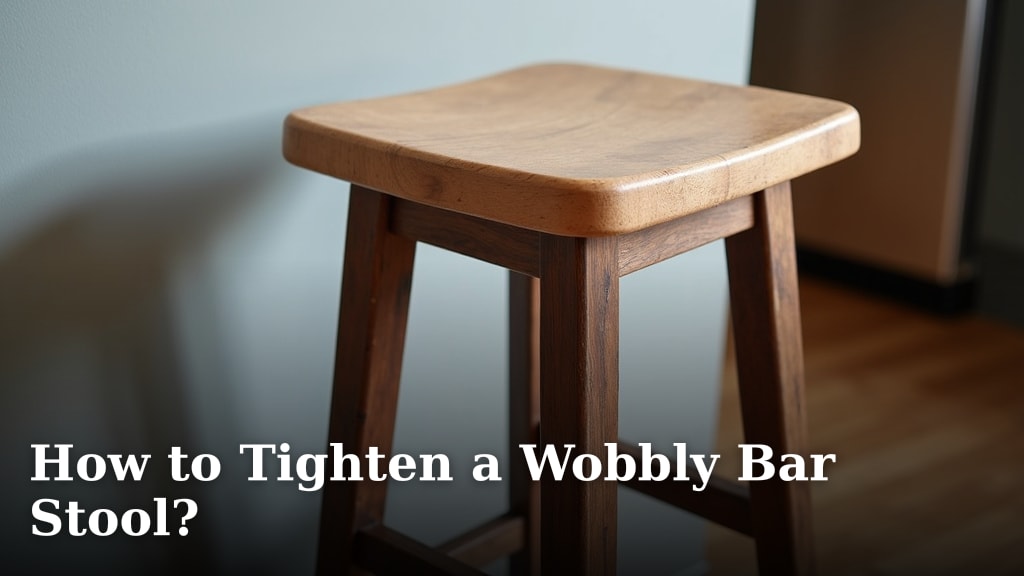
This is probably the most common patio chair problem. Does your chair wobble like a dancer on uneven ground? Loose joints are usually the cause, and they’re often a simple fix.
Tightening Hardware on Metal Chairs
Grab your wrenches or screwdrivers. Locate all the bolts and screws holding the chair together. Gently tighten each one, but avoid overtightening, which could strip the threads. We found that checking these annually helps prevent major wobbles.
Repairing Wooden Chair Joints
Wooden chairs might need a bit more care. If screws are stripped, you might need larger screws or some wood filler to create a tighter fit. Research often connects durable wood glue with long-lasting repairs (Woodworking Magazine).
Repairing Torn Fabric or Sling Seats
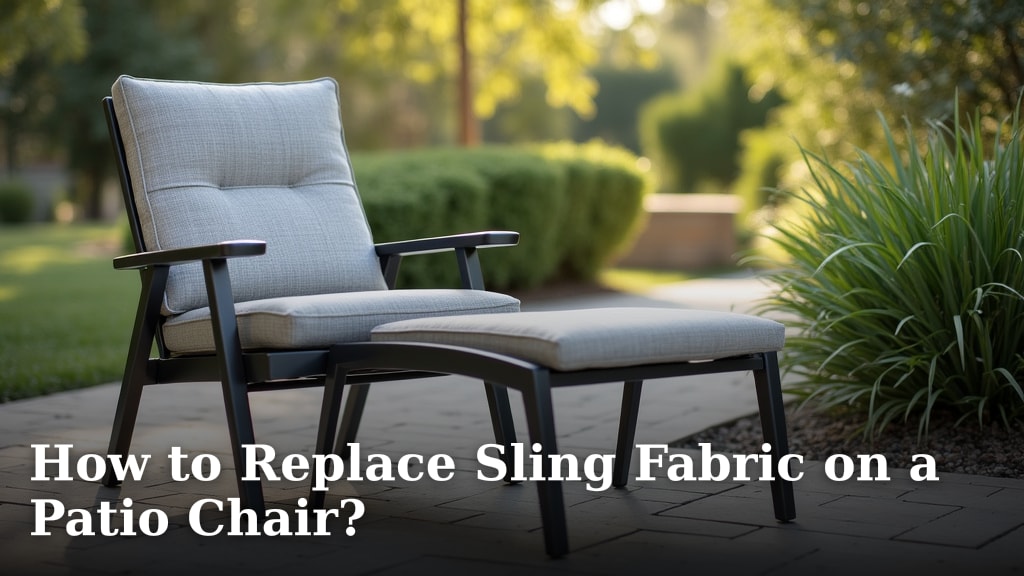
Has your patio chair fabric seen better days? A rip in the fabric is a common issue, but it doesn’t mean the end for your chair. You can often patch these tears or replace the entire sling.
Patching Small Tears
For small tears, a fabric patio chair repair designed for outdoor materials works wonders. Clean the area, apply the patch, and follow the instructions carefully. This can extend the life of your chair significantly.
Replacing the Entire Sling
If the tear is large or the fabric is severely deteriorated, a patio chair fabric repair might be best. Many online retailers offer replacement slings tailored to various chair models. You just unbolt the old fabric and install the new, giving your chair a fresh start.
Addressing Rust on Metal Chairs
Rust is like a sneaky invader, slowly eating away at your metal patio chairs. Catching it early can save your furniture from irreparable damage. It’s important to treat rust promptly before it spreads.
Removing Surface Rust
For remove patio furniture rust, sandpaper or a wire brush works well. Gently scrub away the rust, then clean the area thoroughly. Many experts suggest following up with a rust-inhibiting primer before repainting.
Treating Deeper Rust
Deeper rust might require a rust converter product. These chemicals transform rust into a stable, paintable surface. Always wear protective gloves and eyewear when using such products, as recommended by safety guidelines (OSHA).
Fixing Broken Plastic Components
Plastic chairs are lightweight but can crack or break. A snapped leg or a cracked armrest doesn’t have to mean tossing the chair. Sometimes, you can bond the plastic back together.
Using Strong Adhesives for Plastic
For small cracks, a high-strength plastic epoxy or super glue can work. Clean both surfaces, apply the adhesive, and clamp them tightly until dry. This method often creates a surprisingly durable bond.
Maintaining Your Patio Chairs for Longevity
Prevention is always better than cure, right? Taking a few steps to care for your chairs can prevent many of these common problems from occurring in the first place. Think of it as giving your chairs a little spa treatment.
Here’s a simple checklist to keep your patio chairs in top shape:
- Clean chairs regularly with mild soap and water.
- Store chairs indoors or cover them during off-season.
- Tighten all bolts and screws annually.
- Inspect for rust or tears periodically.
- Apply protective coatings or sealants as needed.
When to Consider Professional Help or Replacement
While many repairs are DIY-friendly, some damage is beyond simple fixes. Knowing when to call in a pro or buy a new chair saves you time and frustration. Sometimes, the cost of repair might outweigh the value.
| Issue | DIY Fix Potential | When to Get Pro Help / Replace |
|---|---|---|
| Loose bolts/screws | High (easy to tighten) | If threads are stripped beyond repair. |
| Small fabric tears | Medium (patching) | Large, multiple tears or fabric rot. |
| Surface rust | High (sanding, painting) | Deep, structural rust compromising integrity. |
| Broken plastic frame | Low (small cracks only) | Major breaks or multiple fractures. |
| Major frame damage | Very Low | Always. Frame damage affects safety. |
Conclusion
Bringing your worn-out patio chairs back to life is often simpler than you think. By identifying the problem, gathering the right tools, and applying a little effort, you can fix patio chairs and restore their comfort and appeal. From tightening a wobbly leg to patching a torn sling, these practical steps help you extend the life of your outdoor furniture. Don’t let minor issues ruin your relaxation; a few hours of repair can make a big difference, allowing you to enjoy your patio fully once more.
Frequently Asked Questions
How do I stop my metal patio chairs from rusting again?
After cleaning and treating any existing rust, apply a rust-inhibiting primer followed by an outdoor-grade paint. Regularly inspect for new spots and keep your chairs dry when not in use, possibly by covering them.
Can I paint my plastic patio chairs?
Yes, you can paint plastic patio chairs, but you need specific paint. Choose a spray paint formulated for plastic outdoor furniture to ensure proper adhesion and durability. Clean the chairs thoroughly and apply light, even coats.
What if my patio chair cushion covers are faded?
If cushion covers are only faded but still intact, you can try using a fabric dye specifically designed for outdoor materials. Alternatively, consider replacing the covers or the entire cushions for a fresh new look.
Is it worth fixing an old, inexpensive patio chair?
It depends on the damage and your budget. If it’s a minor repair like tightening bolts or a small patch, it’s often worth it. For extensive damage or very cheap chairs, the cost and effort of repair might exceed buying a new one.
How often should I check my patio chairs for maintenance?
We recommend checking your patio chairs at least once a season, especially before and after periods of heavy use or extreme weather. A quick annual inspection for loose parts, rust, or tears can prevent bigger problems later.