How to Clean an Outdoor Egg Chair?
On this page (8 sections)
- Caring for Your Outdoor Egg Chair: A Simple Cleaning Guide
- Gathering Your Cleaning Supplies
- Step-by-Step Cleaning Process for Your Egg Chair
- Dealing with Specific Stains and Issues
- Tips for Maintaining Your Egg Chair’s Cleanliness
- Quick Checklist for a Sparkling Egg Chair
- Conclusion
- Frequently Asked Questions
The easiest way to clean your outdoor egg chair is by using a mild soap and water solution. For details, see our guide to Outdoor Egg Chair. Gently scrub the chair with a soft brush or cloth. Then, rinse thoroughly with clean water and allow it to air dry completely. This method effectively removes most dirt and grime without damaging the materials.
Keeping your egg chair clean means it will last longer and look its best on your patio or deck. For details, see our guide to Hang Egg Chair Safely. Regular cleaning prevents buildup of mildew, pollen, and other outdoor elements. We found that a consistent, simple cleaning routine makes a big difference in preserving the chair’s original look and comfort for years to come.
TL;DR:
- Use soap and water for cleaning.
- Scrub gently with a soft brush.
- Rinse well and let it air dry.
- Regular cleaning protects your chair.
- This keeps it looking great outdoors.
Ready to give your egg chair some TLC? Let’s walk through exactly how to get it sparkling clean, step by step.
Caring for Your Outdoor Egg Chair: A Simple Cleaning Guide
Keeping your outdoor egg chair clean is an easy way to make it last longer and look fantastic. You want your patio to be a welcoming spot, and a tidy egg chair is a big part of that. Regular cleaning stops dirt and grime from settling in. It also helps prevent things like mildew and pollen from taking over. Let’s get your egg chair looking as good as new.
Gathering Your Cleaning Supplies
Before you start, make sure you have everything you need. Having your supplies ready makes the cleaning process much smoother. Think of it like prepping for a delicious meal; it’s all about good preparation.
Essential Cleaning Tools
You don’t need fancy equipment for this. Most of what you need is probably already in your home. These are the basic tools that will get the job done right.
- A bucket for your cleaning solution.
- Soft cloths or sponges.
- A soft-bristled brush.
- A hose or a bucket of clean water for rinsing.
- Towels for drying, if needed.
Choosing the Right Cleaning Solution
The best cleaners are gentle. Harsh chemicals can damage the materials of your egg chair. They might cause fading or weaken the fabric. We found that a simple mix is often the most effective and safest option.
- Mild soap: Look for dish soap or a gentle laundry detergent.
- Water: This is your main cleaning agent.
- Optional (for tougher spots): A bit of white vinegar can help with mold or mildew, but always test it first.
Step-by-Step Cleaning Process for Your Egg Chair
Now, let’s get down to business. We’ll go through this together, step by step. It’s not a difficult task, and you’ll be pleased with the results.
Step 1: Remove Loose Debris
First, clear away any loose bits. This includes fallen leaves, twigs, or any other garden debris. A quick brush or a shake can remove most of this. It prevents you from just pushing dirt around later.
Step 2: Prepare Your Cleaning Solution
In your bucket, mix a small amount of mild soap with warm water. You don’t need a lot of soap. Just enough to create some gentle suds. A common ratio is about 1 tablespoon of soap per gallon of water. This is a good starting point for most cleaning jobs.
Step 3: Gently Scrub the Chair
Dip your soft brush or cloth into the soapy water. Start scrubbing the surfaces of your egg chair. Work in small sections. Focus on areas that look a bit dirty or stained. Be gentle; you don’t need to use a lot of force. The soap and water will do the work.
Cleaning the Frame
Most egg chairs have a metal or rattan frame. Gently wipe this down with your soapy cloth. For metal frames, be sure to dry them thoroughly to prevent rust. Rattan can be cleaned with the same soap and water solution.
Cleaning the Cushion and Pad
The cushions are often the part that gets the most use. Check the care tag on your cushion first. Most outdoor cushions can be spot-cleaned. For deeper cleaning, you might be able to remove the covers and wash them. Always follow the manufacturer’s instructions. If the covers aren’t removable, a damp, soapy cloth is your best bet. Gently blot any stains. Avoid soaking the cushion, as this can lead to mold or mildew inside.
Step 4: Rinse Thoroughly
Once you’ve scrubbed the entire chair, it’s time to rinse. Use a hose on a gentle setting, or a bucket of clean water. Make sure to wash away all the soap residue. Soap left behind can attract more dirt over time. Rinse until you don’t see any more suds. This is an important step for a truly clean chair.
Step 5: Allow to Air Dry Completely
This is where patience comes in. Let your egg chair air dry completely. Find a spot with good air circulation, preferably in the sun. Sunlight can also help kill any remaining bacteria. Make sure all parts of the chair are dry, especially the cushions and any crevices. Trapped moisture can lead to mildew. This might take several hours, depending on the weather.
Step 6: Final Touches and Protection
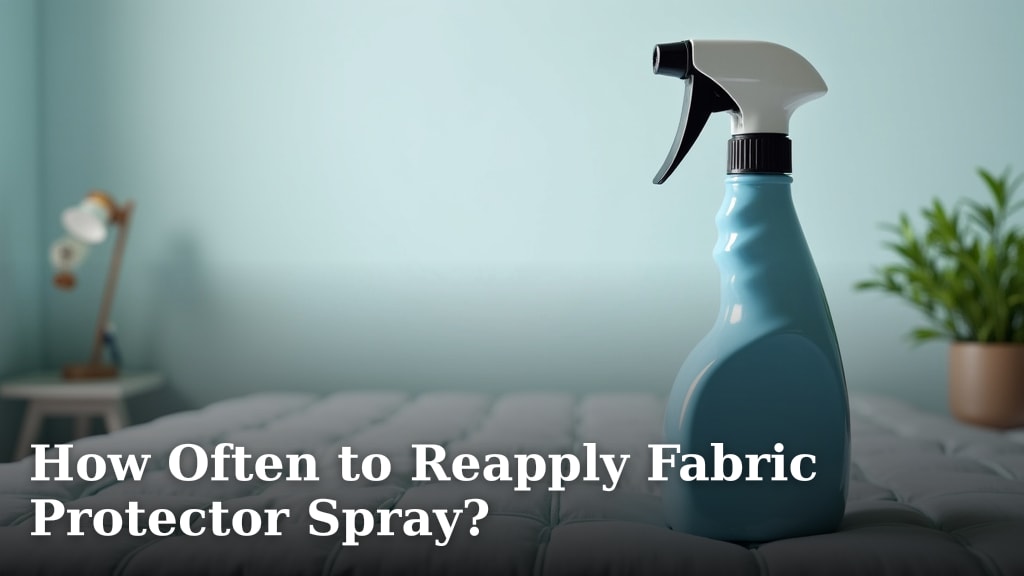
Once dry, give your egg chair a final check. Make sure there are no lingering spots. If you want to add an extra layer of protection, consider using a fabric protector spray designed for outdoor furniture. This can help repel water and stains. Many experts recommend this for extending the life of your outdoor cushions (Good Housekeeping).
Dealing with Specific Stains and Issues
Sometimes, you’ll encounter tougher problems than just general dirt. Don’t worry, there are ways to tackle these. It’s about knowing what to do for different types of messes.
Mildew and Mold Spots
Mildew is a common problem for outdoor furniture. If you see small black or green spots, it’s mold or mildew. For mild cases, try a solution of equal parts white vinegar and water. Apply it to the affected area with a cloth and let it sit for a few minutes. Then, gently scrub and rinse. For stubborn spots, a specialized outdoor furniture cleaner might be needed. Always test any cleaner on an inconspicuous spot first. For stubborn spots, learn how to remove mold from outdoor cushions.
Bird Droppings
Bird droppings are acidic and can stain or damage the finish. Clean these up as soon as possible. Gently wipe them away with a damp cloth. If there’s a mark left, use your mild soap and water solution to clean the spot. Rinse and dry well.
Pollen Buildup
Pollen season can leave a yellowish film on everything. Your egg chair is no exception. A good rinse with plain water might be enough to remove light pollen. For heavier buildup, use your standard soap and water solution. This is especially important before storing your chair for the winter.
Tips for Maintaining Your Egg Chair’s Cleanliness
Keeping your chair clean isn’t a one-time event. A little bit of ongoing care goes a long way. Think of it as preventative medicine for your furniture.
Regular Wipes and Checks
Make it a habit to wipe down your egg chair every few weeks. A quick wipe with a damp cloth can prevent dirt from building up. Also, give it a visual check for any developing issues, like small mold spots. Catching problems early makes them easier to fix.
Consider a Chair Cover
When your chair isn’t in use, especially during bad weather or the off-season, a protective cover is a great idea. Look for breathable, waterproof covers. These keep dust, rain, and UV rays from damaging your chair. Many sources suggest using covers to protect outdoor furniture from the elements (HGTV).
Winter Storage Best Practices
If you live in an area with harsh winters, storing your egg chair is wise. Clean it thoroughly before storing. Make sure it’s completely dry. Store it in a dry, protected place, like a shed or garage. This prevents damage from snow, ice, and extreme cold.
Quick Checklist for a Sparkling Egg Chair
Here’s a handy checklist to keep by your cleaning supplies:
- Gather mild soap, water, soft brush, and cloths.
- Remove loose leaves and debris first.
- Gently scrub the frame and cushions.
- Rinse off all soap residue thoroughly.
- Let the chair air dry completely.
- Protect with a cover or store properly.
Conclusion
You’ve now got the know-how to keep your outdoor egg chair looking its best all season long! Remember, a simple routine of mild soap, water, and thorough drying is your secret weapon. Regular cleaning not only makes your chair more inviting but also extends its lifespan, saving you money and hassle down the road. So, grab your supplies, give that chair some TLC, and get ready to relax in comfort and style!
Frequently Asked Questions
How often should I clean my outdoor egg chair?
We recommend a quick wipe-down every few weeks to prevent dirt buildup. For a more thorough cleaning, aim for once a month, or more often if it’s exposed to heavy pollen or frequent use. Regular maintenance makes the deeper cleans much easier.
Can I use a pressure washer on my egg chair?
It’s generally best to avoid pressure washers. The high pressure can damage the chair’s materials, especially rattan or delicate fabrics, and can force water into places it shouldn’t go. A gentle scrub with a soft brush and hose is much safer and just as effective.
What’s the best way to tackle stubborn stains on the cushion?
For tough stains, try a solution of equal parts white vinegar and water. Apply it with a cloth, let it sit for a few minutes, then gently scrub and rinse. Always test any cleaner on an inconspicuous spot first to ensure it won’t cause discoloration.
Does sunlight damage outdoor egg chairs?
Prolonged, direct sunlight can fade fabrics and potentially degrade some materials over time. While some sun exposure helps with drying, it’s wise to use a protective cover when the chair isn’t in use, especially during the hottest parts of the day or for extended periods.
How do I store my egg chair during the winter?
Before storing, clean your egg chair thoroughly and ensure it is completely dry to prevent mildew. Store it in a dry, protected location like a garage or shed. Using a breathable furniture cover can offer an extra layer of protection against dust and moisture.