How to Choose Cushions for a Wicker Set?
On this page (3 sections)
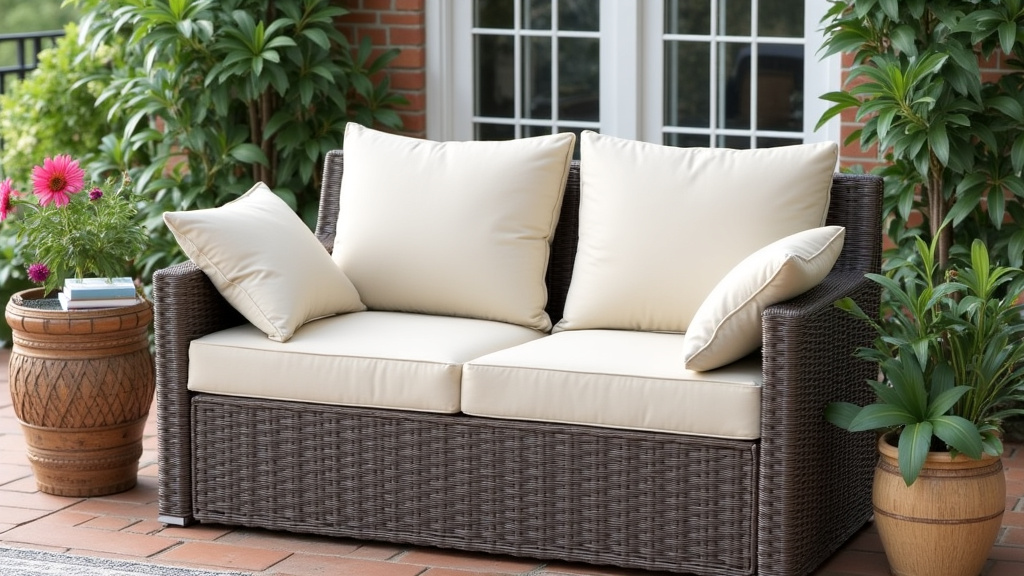
Choosing the right cushions for your wicker set is all about balancing comfort, durability, and style. You want cushions that feel great to sit on and can withstand the elements. Look for fabrics that are water-resistant and UV-protected to keep them looking new.
Wicker furniture offers a charming, relaxed vibe, but it needs the right cushions to truly shine. The best cushions enhance your comfort while complementing the natural look of wicker. Consider the size and shape of your furniture to find a perfect fit. This choice makes a big difference in how you enjoy your outdoor space.
- Measure your wicker furniture first.
- Choose fabrics resistant to sun and rain.
- Think about cushion thickness for comfort.
- Match cushion colors to your outdoor decor.
- Ensure cushions are easy to clean.
Let’s walk through exactly how to pick the perfect cushions that will make your wicker set the most comfortable spot in your home.
Selecting the Perfect Cushions for Your Wicker Furniture
Choosing the right cushions makes all the difference for your wicker set. You want them to be comfortable and stylish. They also need to hold up to outdoor living. Let’s get your wicker set looking and feeling its best!
Measuring Your Wicker Set for the Ideal Fit
This might sound obvious, but accurate measurements are the first step. Wicker furniture comes in many shapes and sizes. You don’t want cushions that are too big or too small. That would look odd and feel awkward. Think of it like tailoring clothes for your furniture.
Seat and Back Cushions
Measure the depth and width of your seat cushions. For back cushions, measure their height and width. Also, note the thickness you prefer. A good cushion feels plush, not flat.
Armrests and Other Pieces
Don’t forget armrests! Some wicker sets have specific cushions for these areas. Measure them too. If you have a wicker ottoman, measure that surface area as well. A perfect fit means better comfort and a cleaner look.
Fabric Choices: Weathering the Storm (Beautifully!)
Since wicker furniture is often outdoors, the fabric is key. You need materials that can handle sun, rain, and maybe even a little dew. Luckily, there are many durable and attractive options available.
Water Resistance and Quick Drying
Look for fabrics labeled as water-resistant or quick-drying. These materials won’t soak up rain like a sponge. They often have a special coating or a tight weave. This means less mildew and faster drying times after a shower. We found that materials like acrylic and polyester blends often perform best here.
UV Protection: Fighting Fading
Sun exposure can fade colors quickly. You want fabrics with UV protection. This helps maintain the vibrant look of your cushions season after season. Many outdoor fabrics are treated to resist fading. Check the product descriptions for UV ratings or “fade-resistant” claims.
Mold and Mildew Resistance
Humid environments can encourage mold and mildew. Choose fabrics designed to resist these issues. Some cushion fillings also help. Look for cushions with mildew-resistant treatments or covers.
Comfort and Cushion Thickness: Sink-In Satisfaction
Beyond durability, how do the cushions feel? This is where thickness and fill come into play. You want to sink into comfort, not onto hard wicker!
Finding Your Perfect Thickness
Cushion thickness can range from about 2 inches to 6 inches or more. A 3-4 inch cushion is often a good balance. It provides enough padding for comfort without making your seat too high. Thicker cushions feel more luxurious. Thinner cushions might be better for certain designs or if you want a sleeker look.
Understanding Cushion Fill Materials
What’s inside matters just as much as the outside. Common fills include:
- Polyester fiberfill: This is a popular and affordable choice. It’s soft and lightweight. It can compress over time.
- Foam: High-density foam offers excellent support and retains its shape. It’s a bit more expensive but lasts longer.
- Blends: Many cushions use a mix of foam and fiberfill. This gives you the best of both worlds – softness and support.
For outdoor use, look for fill materials that drain well. Some are specifically designed to resist moisture.
Style and Color: Complementing Your Outdoor Oasis
Now for the fun part: making your wicker set look amazing! The cushions are your chance to add personality and tie your outdoor space together.
Color Palettes for Wicker
Wicker often has a natural, earthy tone. This makes it versatile. You can go bold or subtle with your cushion colors. Consider:
- Neutrals: Beige, gray, or cream cushions offer a classic, sophisticated look. They are also very forgiving with spills.
- Brights: A pop of turquoise, coral, or yellow can liven up your patio. These colors create a cheerful, inviting atmosphere.
- Patterns: Stripes, florals, or geometric prints can add visual interest. Just make sure the pattern doesn’t overwhelm the furniture itself.
Matching Your Decor
Think about your existing outdoor decor. Do you have colorful flowers, a bright umbrella, or specific accent pieces? Your cushions can either blend in or stand out. Aim for harmony. Your cushions should feel like a natural extension of your outdoor room.
Ease of Maintenance: Keeping Them Looking Fresh
Let’s be realistic. Outdoor cushions will get dirty. You’ll want them to be easy to clean. Nobody wants a weekend project every time a little dirt appears.
Removable and Washable Covers
The best-case scenario is cushions with removable covers. Zippers make it easy to take them off. You can then machine wash them according to the care instructions. This is a huge time-saver.
Spot Cleaning Solutions
Even if the covers aren’t removable, most outdoor fabrics can be spot cleaned. A simple solution of mild soap and water often does the trick. Some manufacturers provide specific cleaning guides. Always check those first!
A Quick Checklist for Your Cushion Hunt
To make sure you don’t miss a thing, keep this handy list:
- Measure your furniture precisely.
- Check for water-resistant and UV-protected fabric.
- Decide on your preferred cushion thickness.
- Choose colors and patterns that match your style.
- Verify that cleaning will be straightforward.
- Consider fill material for long-term comfort.
Considering Cushion Shape and Ties
Don’t forget the little details that make a big difference. The shape and how the cushions attach are important for both looks and function.
Matching Shapes to Your Furniture
Most seat cushions are rectangular, but some wicker chairs have curved seats. Ensure the cushion shape matches the furniture profile. Some back cushions might be square, while others are rectangular or contoured.
The Importance of Ties
Cushions with ties are a lifesaver! These straps help keep cushions in place. They stop them from sliding off when you sit down or when it’s windy. Make sure the ties are sturdy and long enough to secure the cushion firmly to your wicker frame.
A Comparison of Outdoor Fabric Types
Different fabrics offer different benefits. Understanding these can help you make the best choice for your needs and budget.
| Fabric Type | Pros | Cons | Best For |
|---|---|---|---|
| Acrylic (Solution-Dyed) | Excellent fade resistance, good water resistance, soft feel. | Can be more expensive. | High sun exposure, longevity. |
| Polyester | Durable, good water resistance, often more affordable. | Can fade over time if not treated for UV. | Moderate sun, budget-conscious. |
| Olefin | Highly resistant to stains, mold, and mildew; quick-drying. | Can feel a bit stiffer than acrylic. | High moisture areas, ease of cleaning. |
| Cotton Blends | Soft and comfortable. | Prone to mildew and fading; slow to dry. | Shaded areas, decorative use only. |
Many experts suggest that solution-dyed acrylics offer the best overall performance for outdoor cushions (FabricLink.com). While they may cost more upfront, their durability can save you money in the long run.
Conclusion
Choosing the right cushions for your wicker set is all about smart decisions. You’ve learned to measure carefully, select fabrics that can handle the outdoors, and pick thickness for true comfort. Don’t forget style, as your cushions bring your outdoor space to life. By considering these factors, you’re well on your way to creating a cozy and attractive patio. Your next step? Grab your measuring tape and start browsing for cushions that fit your vision and your furniture perfectly.
Frequently Asked Questions
How often should I clean my wicker set cushions?
It’s a good idea to give your cushions a light cleaning every few weeks, especially if they are used regularly. For deeper cleaning, follow the manufacturer’s instructions, which might suggest a good wash once or twice a season. Promptly cleaning up spills will also help maintain their appearance and longevity.
Can I leave my wicker cushions out in the rain?
While many outdoor fabrics are water-resistant, it’s best practice to bring your cushions inside or cover them during prolonged or heavy rain. This helps prevent mildew growth and keeps them looking their best for longer. Quick drying fabrics help, but excess moisture over time can still cause issues.
What if my wicker furniture has an unusual shape?
For uniquely shaped wicker furniture, custom cushions are often the best solution. Many companies offer custom sizing and shaping services. Alternatively, look for modular cushion sets or consider versatile, simple shapes that can adapt well to your furniture’s contours. Measuring precisely is key, even for standard shapes.
Are there eco-friendly cushion options for wicker sets?
Yes, you can find cushions made from recycled materials or organic fabrics that are still designed for outdoor durability. Some manufacturers are focusing on sustainability, using materials like recycled polyester or natural fibers treated for weather resistance. Research brands that highlight their environmental commitment.
What’s the best way to store wicker cushions in the off-season?
Store your cushions in a dry, protected area like a garage, shed, or storage bin. Ensure they are completely dry before storing to prevent mold and mildew. Using breathable cushion storage bags can help protect them from dust and moisture.