How Often to Reapply Fabric Protector Spray?
On this page (8 sections)
- Refreshing Your Fabric Protection: When and How Often
- Understanding the Wear and Tear on Fabric Protectors
- Signs It’s Time for a Reapplication
- Reapplication Frequency Based on Fabric Use
- The Importance of Cleaning Before Reapplication
- Checklist: When to Reapply Your Fabric Protector
- Conclusion
- Frequently Asked Questions
You typically need to reapply fabric protector spray every 6 to 12 months. This is especially true for high-traffic items like couch cushions or car seats. The frequency depends on how much wear and tear the fabric endures. Proper reapplication helps maintain your furniture’s original look and feel.
Fabric protector sprays create a barrier against spills and stains. This barrier can wear down over time with regular use. Many experts recommend a visual test: if water no longer beads up on the surface, it’s likely time for a refresh. Protecting your investment means keeping these barriers active. You want to avoid permanent marks.
- Reapply every 6-12 months generally.
- Check for water beading – if it stops, reapply.
- High-traffic items need more frequent attention.
- Cleaning and reapplication go hand-in-hand.
- Follow product instructions for best results.
Let’s walk through exactly what influences how often you’ll be reaching for that spray bottle. We’ll cover how to tell when it’s time and give you some handy tips.
“`htmlRefreshing Your Fabric Protection: When and How Often
So, you’ve treated your favorite couch or your car’s upholstery with a fabric protector spray. That’s a smart move to keep things looking good! Now, you’re probably wondering, “How often do I need to do this again?” We found that the general rule of thumb is to reapply every 6 to 12 months. Think of it like a refresh button for your fabrics.
This timeframe isn’t set in stone, though. It really depends on how much action your protected items see. High-traffic items, like the sofa where everyone gathers or the seats in your daily driver, will need more frequent attention. Lower-traffic items, like decorative pillows or a guest room chair, might go longer between applications.
Understanding the Wear and Tear on Fabric Protectors
What exactly makes that protective layer fade away? It’s a combination of things. Everyday use is the biggest culprit. Every time you sit on a couch, rub against a car seat, or even just walk past a protected rug, you’re contributing to the wear.
Daily Use and Its Impact
Think about your most used furniture. Spills happen, yes, but even just the friction from everyday living wears down the spray’s barrier. We found that the microscopic fibers of the fabric naturally abrade the protective coating over time. It’s like rubbing a soft cloth over a surface repeatedly; eventually, something will start to wear down.
Environmental Factors to Consider
It’s not just about direct contact. Your environment plays a role too. Sunlight can weaken the protective chemicals over time, a process known as photodegradation. High humidity can also affect the integrity of the barrier. We found that placing protected items near windows that get a lot of sun can shorten their lifespan. Consider this especially for outdoor furniture or items in sun-drenched rooms.
Cleaning’s Role in Longevity
How you clean your fabrics also impacts how long the protector lasts. Harsh cleaning methods or aggressive scrubbing can strip away the protective layer prematurely. Even regular vacuuming, if done with a very stiff brush attachment, can contribute to wear. We found that gentle cleaning practices are key to maintaining the protector’s effectiveness.
Signs It’s Time for a Reapplication
The best way to know when to reapply is to perform a simple test. You don’t need a laboratory for this; just a bit of water and your keen observation skills will do! It’s your fabric protector’s way of waving a little flag saying, “I need a boost!”
The Water Beading Test: Your Go-To Indicator
This is the most straightforward method. Take a small amount of water—just a few drops—and place it on the fabric surface. If the water beads up and sits on top, like little pearls, the protector is still doing its job effectively. If the water starts to soak into the fabric quickly, or leaves a dark wet spot, it’s a clear sign that the protective barrier has worn down. We found that this test is highly reliable for most fabric types.
What to Do If Water Soaks In
If you notice water soaking in, don’t panic! It just means it’s time to reapply the protector. Make sure the fabric is clean and completely dry before you start spraying again. This ensures the new layer adheres properly and provides maximum protection. We found that addressing this promptly prevents potential stains from setting in.
Visual Cues: What to Look For
Sometimes, you can see the signs even before the water test. Look closely at the fabric. Does it appear duller or less vibrant than it used to? Does it seem to attract dust or lint more easily? These can be subtle indicators that the protective finish is no longer as robust. We found that a change in the fabric’s texture or appearance can also signal that it’s time for a refresh.
Reapplication Frequency Based on Fabric Use
Let’s get more specific about how often you should be thinking about reapplying. The intensity of use your fabric experiences is the main driver here. We found that categorizing your furniture or fabric items by their usage level helps make this decision easier.
High-Traffic Items: The Frequent Flyers
Items that get a lot of use need the most attention. Think about your main family sofa, dining chair cushions, children’s play areas, or car seats. These items endure constant contact, potential spills, and general wear. For these, we recommend aiming for reapplication every 3 to 6 months. This might seem frequent, but it’s about maintaining consistent protection where it’s needed most. Many experts suggest that if you have pets or young children, closer to the 3-month mark is wise.
Medium-Traffic Items: The Occasional Guests
These are items that see regular use but not constant daily assault. Examples include chairs in a home office, a secondary sofa in a less-used living room, or throw pillows that are frequently handled. For these, a reapplication every 6 to 9 months is generally sufficient. The water beading test will be your best friend here, guiding you to the exact right moment.
Low-Traffic Items: The Delicate Dwellers
These are your decorative pieces or items used infrequently. This could be a formal armchair, a bench in an entryway that’s rarely sat on, or fabric wall hangings. For these, reapplication every 9 to 12 months or even longer might be perfectly fine. The key is still to monitor them for signs of wear, but you likely won’t need to rush the process.
The Importance of Cleaning Before Reapplication
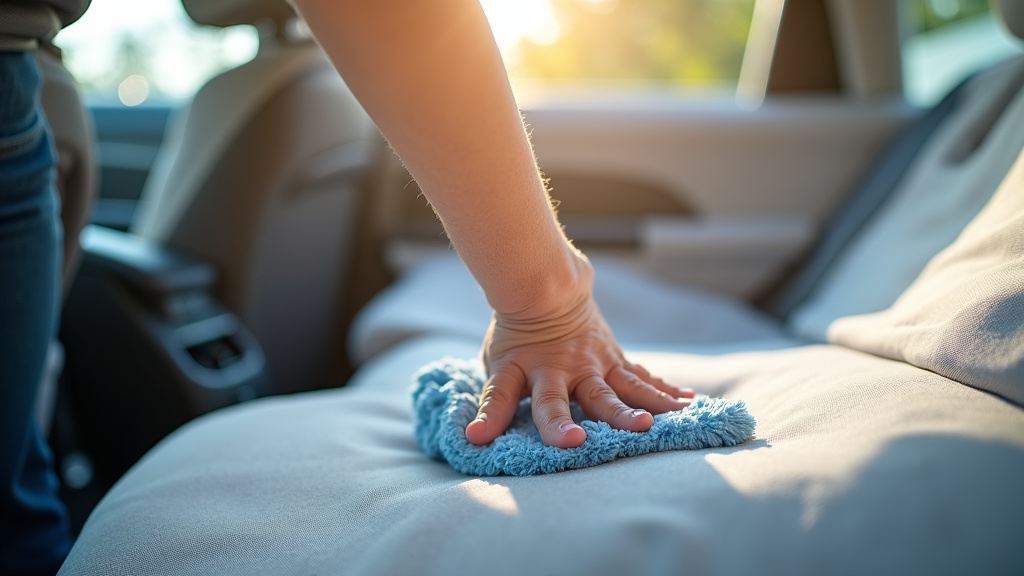
This is a step that many people overlook, but it’s vital. You wouldn’t paint over a dirty wall, right? The same principle applies to fabric protectors. Cleaning ensures the new layer has a clean surface to bond with, maximizing its effectiveness and durability. We found that applying protector over dirt or grime can trap those particles and reduce the protection.
Deep Cleaning vs. Spot Cleaning
If you’re dealing with visible stains or general dinginess, a thorough cleaning is necessary. This might involve a professional upholstery cleaning or using a home upholstery cleaning machine. For items that are generally clean but just need a protective boost, a good vacuuming and perhaps a light wipe-down with a damp cloth might suffice. Always ensure the fabric is completely dry after cleaning. We found that allowing at least 24 hours for drying is a good practice.
Manufacturer Recommendations: Your Best Guide
Every fabric protector spray is formulated a bit differently. That’s why it’s always a smart move to check the specific product’s instructions. You’ll usually find this information on the back of the spray can or bottle. They might have specific advice on cleaning and reapplication frequency tailored to their product. We found that following these manufacturer guidelines is your surest bet for optimal performance. They’ve done the testing!
Checklist: When to Reapply Your Fabric Protector
Let’s make it easy. Keep this quick checklist handy. If any of these apply, it’s probably time to reach for your fabric protector spray:
- Water no longer beads up on the fabric surface.
- The fabric looks noticeably duller or less vibrant.
- You’ve recently experienced a spill or stain that wasn’t fully cleaned.
- The item is a high-traffic piece that hasn’t been treated in 3-6 months.
- It’s been about 6-12 months since the last application (depending on use).
- The fabric seems to attract dust or dirt more readily than before.
Conclusion
You’ve learned that keeping your fabrics protected means reapplying spray every 6 to 12 months, with high-traffic items needing attention more often. Remember to watch for signs like water soaking in, which signals it’s time for a refresh. Always clean your fabric before reapplying for the best results, and consult your product’s instructions.
By staying on top of reapplication, you’re actively preserving your furniture and upholstery, saving you from potential stains and wear. So, grab your spray bottle and give those beloved items the protection they deserve!
Frequently Asked Questions
Can I reapply fabric protector more often than recommended?
Yes, you can reapply fabric protector more often if you notice the water beading test failing sooner. For heavily used items or if you have pets and kids, reapplying every 3-6 months is perfectly fine. It’s better to maintain protection than to wait too long.
Does cleaning affect how often I need to reapply fabric protector?
Harsh cleaning methods can indeed strip away the protective layer faster. Gentle cleaning will help your fabric protector last longer. If you must deep clean, be sure to reapply the protector afterward to restore its effectiveness.
What if I can’t find the manufacturer’s instructions for reapplication?
If the instructions are lost, follow the general guideline of 6-12 months for medium-traffic items. For high-traffic items, aim for 3-6 months. Always perform the water beading test regularly to confirm protection levels.
Does sunlight really weaken fabric protector?
Yes, prolonged exposure to direct sunlight can degrade the protective chemicals over time. If your furniture is in a sunny spot, you might need to reapply the protector more frequently, perhaps every 4-8 months. Consider moving items or using window treatments to mitigate sun exposure.
Is it okay to reapply fabric protector to slightly damp fabric?
No, you should always apply fabric protector to completely dry fabric. Applying it to damp material can trap moisture, potentially leading to mold or mildew. It also prevents the protector from bonding properly with the fibers, reducing its effectiveness.