How Much Does a Gazebo Installation Cost?
On this page (3 sections)
The cost to install a gazebo generally ranges from $4,000 to $10,000 for professional installation. This price often includes both the gazebo kit and the labor involved. Smaller, simpler gazebos might start around $2,000, while larger, custom designs can exceed $15,000.
You’re probably wondering what drives these price differences, right? We found that factors like the gazebo’s size, material choices, and any added features significantly impact the final bill. Whether you choose a cozy cedar nook or a grand vinyl pavilion makes a big difference.
- Average installation cost: $4,000 – $10,000
- Size and materials are key price factors.
- DIY can save money but requires skill.
- Professional installation ensures safety and quality.
- Permits and site prep add to the overall cost.
Let’s break down exactly what goes into the cost of gazebo installation so you can plan your perfect outdoor retreat without any surprises.
Understanding Gazebo Installation Costs
The total cost to install a gazebo generally falls between $4,000 and $10,000. This range includes both the gazebo itself and the labor to put it together. We found that several key factors influence where your project lands within this spectrum.
You’re not just paying for a structure; you’re investing in an outdoor living space. Think about the materials, the size you need, and any special features you dream of. Each choice affects the final price tag.
The Gazebo Itself: Kit vs. Custom Build
Before any installation can happen, you need a gazebo! This is often the largest single cost. You generally have two main options: a pre-fabricated kit or a custom-built structure.
Gazebo Kits
Gazebo kits are a popular choice for homeowners. They come with all the necessary parts, ready for assembly. Prices for kits can vary widely, from a few hundred dollars for small, basic models to several thousand for larger, more elaborate designs.
- Cost: Typically $1,500 to $7,000 for the kit alone.
- Materials: You’ll find kits in wood (cedar, pine, pressure-treated), vinyl, aluminum, or steel. Wood is classic, vinyl is low-maintenance, and metal offers durability.
- Ease of assembly: Many kits are designed for DIY installation. However, larger or more complex kits often benefit from professional help to ensure proper construction and safety.
- Customization: Limited, as you’re working with pre-designed components.
We found that a basic 10×10 pressure-treated pine gazebo kit might cost around $2,000, while a larger 12×16 vinyl kit could easily reach $6,000 or more (Home Depot, Lowe’s pricing reviews).
Custom-Built Gazebos
If you have a unique vision or a specific space that needs a tailored fit, a custom-built gazebo might be your best bet. This option offers maximum flexibility in design, materials, and features.
- Cost: Generally $5,000 to $15,000+. The sky’s the limit depending on your choices.
- Materials: You can choose premium woods like cedar or redwood, composite materials, or even stone accents.
- Design: Fully customizable. Want a specific roof pitch, railing style, or unique footprint? A custom builder can create it.
- Labor: This route involves more skilled labor for design and construction, which naturally increases the cost.
A custom-built gazebo is like getting a tailored suit for your backyard. It fits perfectly and reflects your personal style. However, it requires a larger investment up front.
Labor Costs for Gazebo Installation
Once you have your gazebo, it needs to be installed. Labor costs are a significant portion of the overall expense, especially for professional installation.
Professional Installation
Hiring professionals ensures your gazebo is built correctly, safely, and efficiently. They handle everything from site preparation to final assembly.
- Cost: Typically $1,000 to $4,000, depending on the complexity and size of the gazebo.
- Hourly rates: We found that contractors often charge between $50 to $100 per hour per person. A gazebo might take a team of two 1-3 days to install.
- Benefits: Peace of mind, proper structural integrity, warranty on workmanship, and often faster completion.
- What’s included: Often includes site leveling (minor), assembly of the kit, and anchoring the structure.
Think of it as hiring an expert chef instead of cooking a complicated meal yourself. You pay for their skill and experience, and you get a top-notch result without the stress.
DIY Installation
If you’re handy and have the time, installing a gazebo kit yourself can save you a substantial amount on labor costs.
- Cost: Essentially $0 for labor, but you’ll need tools and potentially help from friends.
- Required skills: Basic carpentry, ability to read instructions, familiarity with power tools, and a good dose of patience.
- Time commitment: This can vary widely. A small gazebo might take a weekend, while a larger one could take several weekends or even longer.
- Potential pitfalls: Mistakes can be costly, requiring replacement parts or professional intervention. Safety is also a key concern when working with heavy materials.
While DIY saves money, it demands your time and effort. Be realistic about your skills and available time. It’s a rewarding project, but not for everyone.
Key Factors Influencing Your Gazebo’s Price Tag
Beyond the basic cost of the gazebo and labor, several other elements can sway your total investment. Understanding these helps you budget more accurately.
Size and Dimensions
It’s simple: bigger gazebos cost more. More materials, more labor, and more complex foundations all add up. A small 8×8 gazebo will be significantly less expensive than a spacious 14×20 pavilion.
We found that costs generally increase proportionally with square footage. So, going from a 100 sq ft gazebo to a 200 sq ft one could roughly double your material and labor costs.
Material Choices
The materials you choose for your gazebo have a huge impact on both appearance and price. Each material offers different benefits and price points.
Here’s a quick look at common materials and their general cost range:
| Material Type | Typical Cost Range (per square foot, installed) | Pros | Cons |
|---|---|---|---|
| Pressure-Treated Pine | $20 – $40 | Affordable, readily available, resistant to rot/insects. | Requires regular maintenance (staining), less durable than cedar. |
| Cedar | $30 – $60 | Naturally beautiful, aromatic, insect/rot resistant, durable. | Higher cost, requires sealing to maintain color. |
| Vinyl/PVC | $40 – $70 | Low maintenance, never needs painting, long lifespan. | Higher initial cost, less natural aesthetic than wood. |
| Aluminum/Steel | $35 – $80 | Extremely durable, rust-resistant, modern look, low maintenance. | Can be more expensive, fewer traditional styles. |
| Composite | $50 – $90+ | Very low maintenance, eco-friendly options, excellent durability. | Highest initial cost, can be heavy. |
Think about your local climate and how much maintenance you’re willing to do. These factors help narrow down the best material for your needs and budget.
Foundation and Site Preparation
Your gazebo needs a stable base. The condition of your chosen site and the type of foundation required will add to the overall cost.
- Leveling: If your yard isn’t perfectly flat, you’ll need to pay for leveling. Minor leveling might be included by installers, but significant earthmoving will be an extra charge ($500-$2,000+).
- Foundation type:
- Gravel Pad: Most common and affordable ($300-$1,000).
- Concrete Slab: More durable and stable, but pricier ($800-$2,500+).
- Deck Footings/Piers: Suitable for elevated gazebos or sloped yards ($500-$2,000).
- Accessibility: If installers have trouble getting materials to the site, it could increase labor costs.
Don’t underestimate site prep. A solid foundation is crucial for your gazebo’s longevity and safety. It’s not a place to cut corners.
Additional Features and Upgrades
Want to make your gazebo truly special? Many homeowners choose to add extra features. These optional upgrades can enhance comfort, functionality, and aesthetic appeal, but they also increase the total cost.
- Screens or Walls: To keep bugs out or provide privacy. Adds $500-$2,500+.
- Electrical Wiring: For lights, fans, or outlets. Costs $500-$2,000+, depending on distance from power.
- Lighting Fixtures: From simple string lights to chandeliers. Adds $100-$1,000+.
- Ceiling Fan: For comfort in warmer months. Costs $150-$500+.
- Built-in Seating or Benches: Custom comfort. Adds $300-$1,500+.
- Roofing Material Upgrade: Beyond standard shingles to metal or cedar shakes. Adds $500-$2,000+.
- Heater or Fire Pit: You can learn more about fire pit table costs to help with your budgeting. For year-round enjoyment. Costs $200-$2,000+.
Each extra is an investment in your enjoyment. Consider what features will make your gazebo truly functional for how you plan to use it.
Permits and Regulations
Before you even break ground, you might need a permit. This is often an overlooked cost, but it’s very important.
Many municipalities require permits for permanent structures like gazebos, especially if they exceed a certain size (e.g., 100 or 120 square feet). Your local building department can tell you their specific requirements.
Permit fees generally range from $50 to $500, but they can be higher for larger, more complex structures or if engineering plans are required. Always check local regulations before starting your project. Failing to obtain a necessary permit can lead to fines or even the forced removal of your gazebo.
Cost Checklist for Your Gazebo Project
To help you visualize the different components that make up the total cost, here’s a handy checklist:
- Gazebo Kit or Custom Build Cost
- Professional Installation Labor
- Site Preparation and Leveling
- Foundation Materials and Installation
- Local Building Permits
- Electrical Wiring (if desired)
- Lighting and Fan Fixtures
- Screens or Walls
- Decorative Upgrades (e.g., custom railings, specialized roofing)
- Delivery Fees for Materials
As you can see, there are many pieces to the puzzle. Planning ahead for each of these items will help you avoid unexpected expenses.
Conclusion
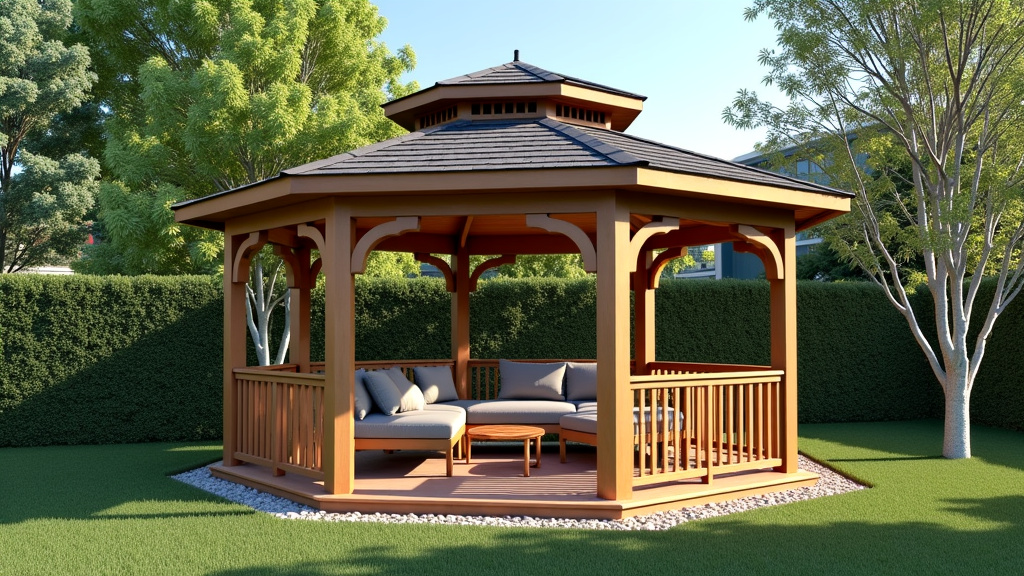
As you plan your outdoor sanctuary, remember that a gazebo installation is an investment in your home and lifestyle. We’ve explored how factors like size, materials, and labor significantly shape your overall cost, typically ranging from $4,000 to $10,000. Don’t forget those crucial elements like site prep, permits, and electrical work that can add to the final price.
By understanding these components, you can confidently budget and make informed decisions. Ready to get started? We recommend gathering quotes from at least three local professionals to compare pricing and find the best fit for your dream gazebo.
Frequently Asked Questions
Is a gazebo a good investment for my home?
Yes, we found that a well-built gazebo can significantly enhance your outdoor living space and increase your property value. It provides a dedicated area for relaxation, entertaining, or simply enjoying your yard, making your home more appealing.
What’s the typical lifespan of a professionally installed gazebo?
The lifespan of a gazebo largely depends on its materials and how well it’s maintained. We’ve seen quality wood gazebos last 15-20 years with proper care, while vinyl or aluminum structures can often last 25 years or more, requiring less maintenance.
Can I add a gazebo to an existing deck or patio?
Absolutely! Many homeowners choose to install gazebos on existing decks or patios. You’ll need to ensure your current structure can support the gazebo’s weight, which might require additional reinforcement, impacting your total cost.
How long does professional gazebo installation usually take?
For a standard gazebo kit, professional installation typically takes 1 to 3 days once all materials are on-site and the foundation is ready. Larger or custom-built gazebos will naturally take longer, sometimes stretching to a week or more.
Are there any ongoing costs associated with owning a gazebo?
Yes, gazebos do have some ongoing costs. You should budget for periodic maintenance like staining or sealing wood, cleaning, and occasional repairs. If you have electrical features, you’ll also have minor utility costs.