
Can You Leave a Fire Pit Table Outside Uncovered?
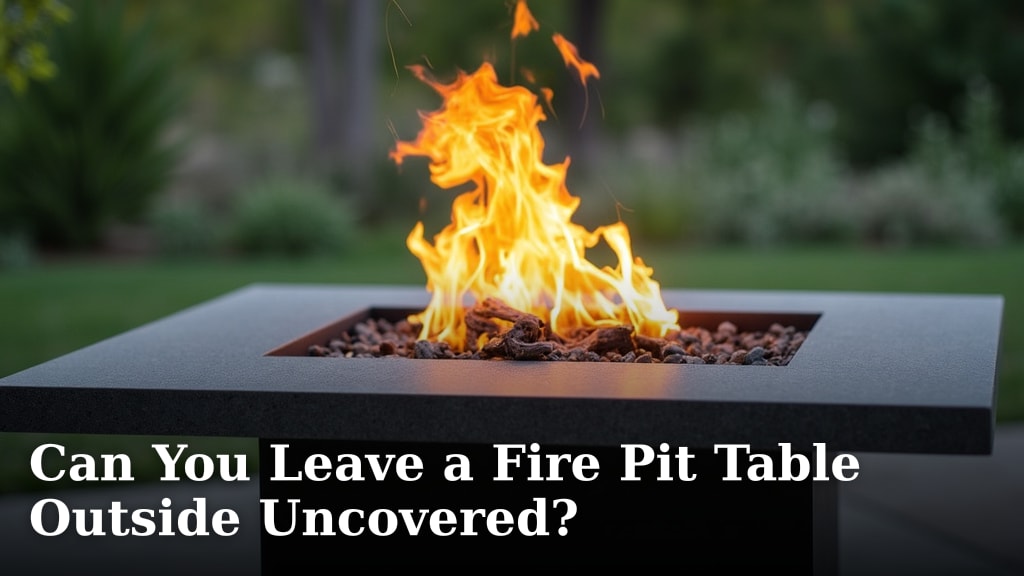
You might be wondering, “Can you leave a fire pit table outside uncovered?” The short answer is generally no, it’s not a good idea to leave your fire pit table outside uncovered long-term. While some materials are more durable than others, constant exposure to the elements can cause damage over time. We’ve found that protection is key for longevity.
Leaving your fire pit table exposed to rain, snow, and sun can lead to rust, corrosion, and fading. Even if it’s designed for outdoor use, moisture can seep into the mechanics. Think of it like leaving your car out in a hailstorm – it might be built tough, but it’s still better to have protection. Your fire pit table deserves the same care to maintain its beauty and function.
- Protection is key for fire pit table longevity.
- Uncovered tables face damage from rain, snow, and sun.
- Moisture can harm the table’s mechanics and materials.
- Using a cover or storing it indoors is highly recommended.
Let’s dive into why this is and what steps you can take to keep your fire pit table looking great for years to come.
Keeping Your Fire Pit Table Safe Outdoors
So, you’ve got a fantastic fire pit table that you love to use. You’re probably wondering if you can just leave it outside uncovered when it’s not in use. While it might seem sturdy, we found that leaving it exposed long-term isn’t the best plan. Protecting your investment will keep it looking great and working perfectly for years.
Think of your fire pit table like any other outdoor furniture. Even the most durable materials can suffer from constant exposure to the elements. Rain, snow, harsh sun, and even dew can take their toll. We recommend taking a few simple steps to ensure its longevity.
Why Covering Your Fire Pit Table Matters
Leaving your fire pit table exposed means it’s taking a beating from nature every single day. This can lead to a variety of issues that might not be immediately obvious but can cause damage over time. We found that preventing these problems is much easier than fixing them later.
The Damage from Moisture
Water is the biggest enemy of most outdoor materials. Rain and snow can seep into the smallest cracks and crevices. If your fire pit table has metal components, this moisture can lead to rust and corrosion. We found that even stainless steel can eventually show signs of wear if constantly wet.
For tables with electronic ignitions or gas components, moisture is particularly problematic. Water can interfere with the wiring or gas lines. This could lead to ignition failures or even create a safety hazard. Many manufacturers advise keeping these sensitive parts dry. We found that a good cover is the simplest way to achieve this.
Sunlight’s Impact
The sun might feel nice, but its UV rays are harsh. Prolonged exposure to direct sunlight can cause colors to fade. This is especially true for tables with painted surfaces or fabric elements. You might notice your once vibrant table starting to look dull and washed out. We found that covering it can preserve its aesthetic appeal.
Beyond just fading, intense sun can also degrade certain materials. Some plastics can become brittle and crack over time. Wood finishes can dry out and become prone to splitting. We found that consistent protection from the sun helps maintain the material’s integrity.
Wind and Debris Concerns
Even if it’s not raining or sunny, wind can cause problems. Strong gusts can blow dust, leaves, and other debris into your fire pit. This can clog burners or simply make your table look messy. You might find yourself cleaning it more often than you’d like. We found that a cover keeps out unwanted guests like leaves and dirt.
In some regions, wind can also carry sand or salt, which can be abrasive. This can scratch surfaces and wear down finishes. Protecting your table means less wear and tear from these airborne particles. We found that a cover acts as a barrier against these elements.
Understanding Fire Pit Table Materials and Durability
Not all fire pit tables are created equal. The materials used play a big role in how well they hold up outdoors. However, even the most durable materials benefit from protection. We found that understanding your table’s construction helps you care for it best.
Metal Fire Pit Tables
Many fire pit tables are made from metal like steel, aluminum, or iron. Steel and iron are prone to rust, especially when exposed to moisture and air. While many are treated with protective coatings, these can eventually wear down. We found that regular sealing or waxing can help, but a cover is more foolproof.
Aluminum is naturally rust-resistant, making it a popular choice. However, it can still oxidize, which is a form of corrosion that can dull its finish. Powder-coated finishes can chip or scratch, leaving the metal exposed. We found that even aluminum tables benefit from a cover to keep them looking their best.
Concrete and Composite Materials
Concrete fire pit tables are quite durable and can withstand outdoor conditions well. However, concrete is porous. It can absorb moisture, which can lead to cracking or spalling (flaking) in freezing temperatures. We found that sealing concrete surfaces is essential if you live in a climate with frost.
Composite materials, often made from recycled plastics and wood fibers, are designed for outdoor use. They are generally resistant to rot and insects. Still, UV exposure can cause some composites to fade or become brittle over time. We found that a cover can extend the life and appearance of these materials too.
Wood Elements and Finishes
Some fire pit tables incorporate wood accents or are made entirely of wood. Wood is beautiful but requires the most maintenance outdoors. Without proper sealing and regular treatment, it can warp, rot, or crack. We found that even treated wood is best protected from constant rain and sun.
The finishes on wood, like stains and varnishes, are crucial barriers. These can break down over time, especially with UV exposure and moisture. We found that regular reapplication of sealants is necessary, but a cover offers simpler, continuous protection.
What Type of Cover Should You Use?
When it comes to protecting your fire pit table, the type of cover you choose matters. You want something that offers good defense against the elements. We found that investing in a quality cover is a smart move.
Key Features of a Good Cover
A great cover is typically made from water-resistant or waterproof material. Look for fabrics like polyester or vinyl that have a protective backing. It should also be breathable to prevent moisture buildup underneath. This helps avoid mildew and rot.
Your cover should fit snugly but not be too tight. It should extend down the sides of the table to offer full protection. Many covers come with adjustable straps or elastic hems to keep them secure, even in windy conditions. We found that a well-fitting cover stays put and provides the best defense.
When a Cover Isn’t Enough
While covers are excellent, there are times when even more protection might be needed. If you live in an area with extreme weather – think heavy snow, hail, or prolonged, intense heat – you might consider additional steps. We found that in harsh climates, storage is often the best option.
Alternative: Storing Your Fire Pit Table
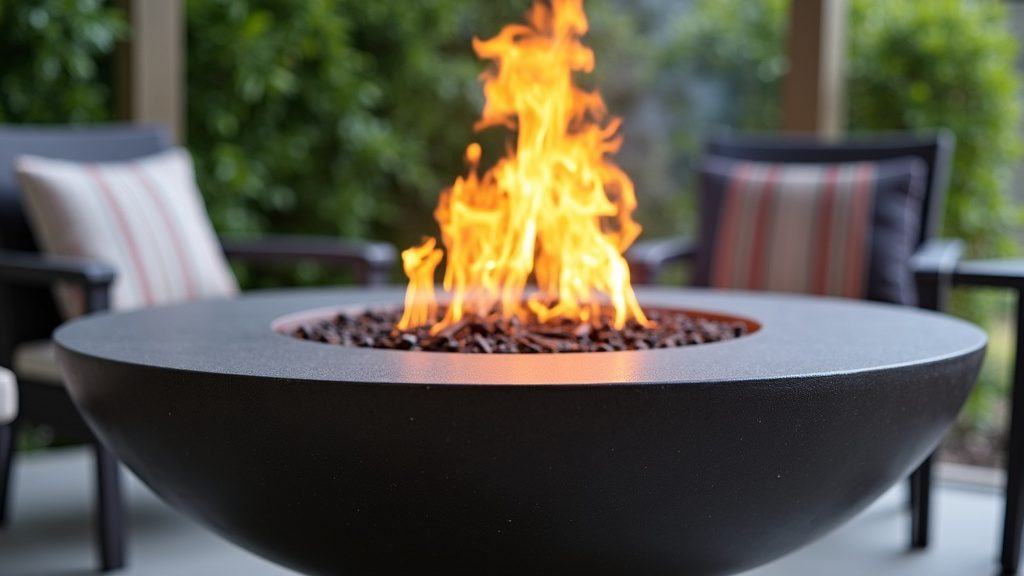
If you live in a climate with harsh winters or frequently experience severe weather, storing your fire pit table might be the ideal solution. Bringing it indoors during off-seasons or periods of bad weather provides the ultimate protection. We found that this is the surest way to keep it in pristine condition.
Where to Store It
A garage, shed, or even a covered porch can be a good place to store your fire pit table. Ensure the area is dry and protected from the elements. If you’re storing it for an extended period, like over winter, it’s wise to clean it thoroughly first. We found that a little prep work makes a big difference.
Make sure there’s adequate ventilation if storing in an enclosed space for a long time. This prevents any lingering moisture from causing problems. We found that keeping it clean and dry before storage is a simple but effective practice.
A Simple Checklist for Protection
Ready to keep your fire pit table looking its best? Here’s a quick rundown of what you can do:
- Always use a cover when the table is not in use.
- Ensure the cover is water-resistant and fits well.
- Check the cover periodically for any tears or damage.
- Clean your table before covering it, especially if storing for long periods.
- Consider storing your table indoors during extreme weather or off-season.
- Periodically inspect your table for any signs of wear, rust, or damage.
Conclusion
You’ve learned that while your fire pit table is built for the outdoors, leaving it uncovered long-term is a recipe for damage. Constant exposure to rain, sun, and debris can lead to rust, fading, and even harm its functional parts. We’ve found that simple protection makes a big difference. Investing in a good quality, well-fitting cover is your best bet for preserving your table’s beauty and ensuring it works for years. If you live in an area with extreme weather, consider storing it indoors during those harsh periods. Take these steps to enjoy countless cozy evenings around your fire pit table.
Frequently Asked Questions
How often should I uncover my fire pit table?
You should uncover your fire pit table whenever you plan to use it. We found that using it regularly is the best way to enjoy your purchase. Just be sure to cover it back up immediately after it has cooled down.
Can a regular tarp protect my fire pit table?
While a tarp can offer some protection, it’s not ideal for long-term use. Tarps can trap moisture underneath, leading to mildew or rust. We recommend using a cover specifically designed for fire pit tables that allows for breathability.
What if my fire pit table is made of metal? Isn’t it rust-proof?
Even metal fire pit tables, especially those made of steel or iron, can rust over time. While aluminum is more resistant, prolonged exposure to moisture can still cause oxidation or damage protective coatings. We found that covering these materials is always a wise choice.
My fire pit table is under a covered porch. Do I still need a cover?
A covered porch offers some protection, but it’s not foolproof. Dew, humidity, and wind-blown rain can still reach your table. We found that using a cover provides an extra layer of defense against these elements, keeping your table drier and cleaner.
How do I clean my fire pit table before covering it for storage?
First, ensure the table is completely cool. Wipe down all surfaces with a damp cloth to remove dust and debris. For metal parts, you might want to use a mild cleaner and dry thoroughly. We found that a clean surface before covering prevents moisture from getting trapped and causing issues.
