
How To Protect Patio Doors From Burglars?
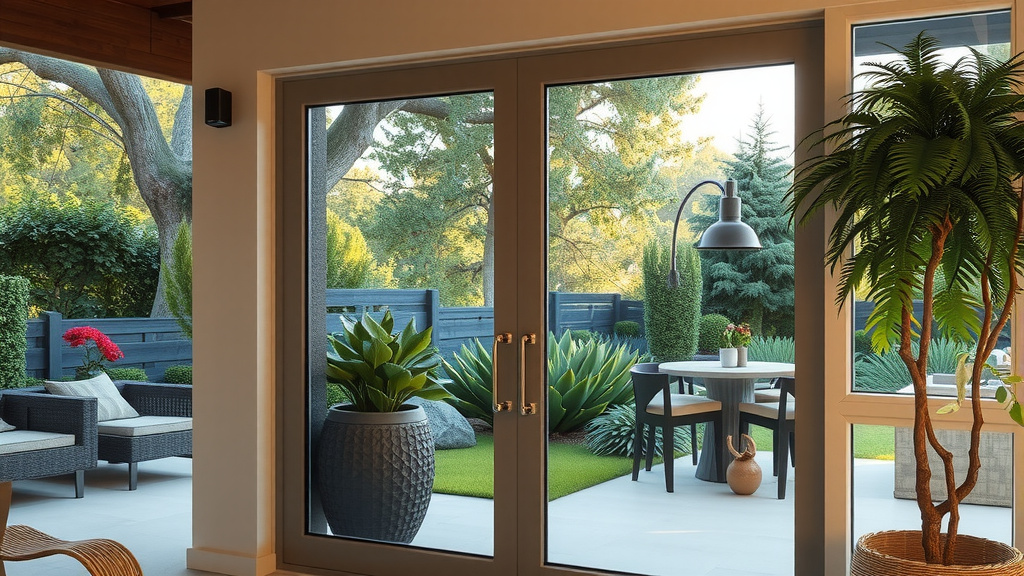
To protect patio doors from burglars, reinforce existing lock mechanisms and add secondary security like a dowel rod or a strong security bar.
Implementing smart home technology and strong exterior lighting also creates a significant deterrent for potential intruders, making your home a less attractive target.
- Reinforce existing locks with auxiliary devices such as foot locks or security bars.
- Install security window film to strengthen glass against breakage.
- Use smart home systems with sensors and cameras to monitor your patio area.
- Enhance outdoor spaces with bright lighting and strategic landscaping to reduce hiding spots.
- Adopt simple daily habits like always locking doors and not signaling your absence to others.
How To Protect Patio Doors From Burglars?
Protecting your patio doors is about layering different security measures. You want to make your home seem less appealing to anyone looking for an easy entry point.
Many experts say combining physical barriers with smart technology creates the strongest defense (Home Security Institute).
Understanding Patio Door Vulnerabilities
Patio doors often look inviting, but they can be a weak spot in home security. Most are designed for looks and easy access, not always maximum intrusion prevention.
Many older patio doors simply have a single latch lock. This type of lock offers minimal resistance to a determined burglar, making it important to upgrade.
Common Weak Spots
Sliding patio doors often rely on a single central lock. This can be easily jiggled, pried open, or even lifted off its track. Burglars look for these simple points of entry.
The glass itself is another concern. Standard glass can shatter easily, allowing quick access. Think about how quickly a pane can break with force.
Quick and Affordable Security Boosts
You don’t need to spend a fortune to make your patio doors safer. There are many cost-effective solutions you can implement right away to deter intruders.
These simple steps can significantly increase the time and effort a burglar needs, often causing them to move on to an easier target instead.
The Dowel Rod Trick
A simple wooden dowel or metal bar placed in the bottom track of a sliding door prevents it from opening. It’s a classic, yet highly effective, physical barrier.
This trick works because it stops the door from sliding past the rod, even if the main lock is compromised. It’s a cheap, easy upgrade for immediate peace of mind.
Security Window Film
Applying a strong security film to your patio door glass makes it much harder to break. The film holds shattered glass together, preventing an instant opening for would-be intruders.
Research shows this film can delay entry by several minutes (National Crime Prevention Council). This extra time is often enough to deter burglars who want a fast entry and exit.
Adding Extra Locks
Beyond the main latch, adding auxiliary locks greatly improves security. Foot locks, pin locks, or specialized patio door bars provide additional layers of defense.
We found that deadbolt-style auxiliary locks are particularly effective. These bolt the door into the frame, preventing it from being lifted or forced open by applying outward pressure.
| Auxiliary Lock Type | Benefit to Security | Installation Effort |
|---|---|---|
| Patio Door Bar | Excellent physical barrier | Very Easy |
| Foot Lock / Bolt | Anchors door to floor/frame | Moderate |
| Keyed Deadbolt | Adds strong, key-operated lock | Professional |
| Sliding Door Pin Lock | Prevents door from lifting | Easy |
Investing in Enhanced Protection
If your budget allows, consider more robust security upgrades. These options provide a higher level of protection and can integrate with your home’s overall security system.
These investments offer long-term peace of mind and significantly reduce the likelihood of a successful break-in through your patio doors, offering stronger deterrents.
Smart Home Security Systems
Modern smart home systems can include sensors on patio doors that alert you and security services instantly if opened. Many also offer integrated cameras for visual monitoring and recording.
These systems can even detect glass breakage before an intruder fully enters. Many experts suggest smart tech provides excellent monitoring and a strong deterrent effect (Security Industry Association).
Physical Security Bars and Grates
For high-risk areas or heightened security needs, consider internal security bars or external grates. These are permanent fixtures that offer robust physical protection.
While not always the most aesthetically pleasing, they provide an undeniable barrier. It sends a clear message that your home is not an easy target for anyone considering a break-in.
Upgrading Glass for Strength
If you’re replacing your patio doors, opt for laminated or tempered glass. These types of glass are far more resistant to impact than standard panes, making them much harder to smash for quick access.
Laminated glass, in particular, stays in place even when shattered, acting as a continued barrier. It’s a significant upgrade that offers superior smash resistance.
Deterring Burglars from the Outside In
Security isn’t just about what’s on the door itself. The environment around your patio doors plays a huge role in whether a burglar will even approach. Think about what they see from the street or yard.
Creating an uninviting exterior can be just as important as reinforcing the door. You want to eliminate hiding spots and make any approach feel exposed and risky for an intruder.
Strategic Outdoor Lighting
Bright, motion-activated lights around your patio doors are a burglar’s worst nightmare. They eliminate shadows and draw attention to anyone trying to approach unnoticed.
We found that proper lighting can significantly deter nighttime break-ins (Police Crime Prevention Guides). Make sure your lights cover the entire patio area and its approaches effectively.
Landscaping as a Barrier
Think about your bushes and trees near the patio. Tall, dense shrubs can provide cover for burglars. Keep landscaping trimmed low to remove potential hiding spots.
Consider planting thorny bushes directly under windows or near your patio. These prickly plants create a natural, uncomfortable barrier for anyone attempting to get too close.
Visible Alarm Signage
Even if you don’t have a full security system, displaying “Protected by Security” signs can be a deterrent. Burglars often prefer targets that appear less risky, and signs signal potential trouble.
We found that simply seeing such signs can cause a burglar to rethink their plans. It suggests your home has security, making it a less appealing choice for a quick, quiet break-in.
Daily Security Habits
Even with the best security tech, your daily habits matter most. A forgotten lock can undo all your efforts. Consistency is truly your best defense.
These small actions take minimal effort but offer maximum impact. They form a crucial layer of security, making your home less vulnerable in the long run by staying alert.
Always Lock Up
This might seem obvious, but always double-check your patio doors, even if you’re just going out for a few minutes. Many burglaries happen because doors were left unlocked.
Make it a routine before leaving or going to bed. This simple habit protects against opportunistic thieves looking for an easy, unlocked target.
Mind Your Home’s Appearance
Don’t leave clues that you’re away on vacation, like an overflowing mailbox or newspaper pile. Ask a neighbor to collect mail and make your home look occupied and active.
Avoid posting about your vacation plans on social media. Many experts say criminals often use social media to identify empty homes (Law Enforcement Agencies). Stay discreet about your travel schedule.
Your Patio Door Security Checklist
- Is a dowel or security bar in place when the door is locked?
- Do all locks, including auxiliary ones, function correctly?
- Is security film applied to the glass or is the glass impact-resistant?
- Are outdoor lights around the patio working and motion-activated?
- Is nearby landscaping trimmed back to eliminate hiding spots?
- Are “protected by security” signs or stickers visible?
- Do you check all patio door locks every time you leave or go to bed?
Conclusion
Protecting your patio doors doesn’t have to be overwhelming. By understanding common vulnerabilities and implementing a few smart strategies, you can significantly enhance your home’s security. Start with the simpler, affordable steps and build up to more advanced systems as your needs and budget allow.
Remember, the goal is to make your home a less attractive target. A combination of strong physical barriers, smart technology, and good daily habits creates a formidable defense against potential burglars. Your peace of mind is worth the effort.
How do burglars typically break through patio doors?
Burglars often target patio doors by forcing or prying open weak locks, lifting sliding doors off their tracks, or smashing standard glass panes. They seek the quickest, quietest entry method available.
Are French patio doors more secure than sliding patio doors?
French patio doors can offer slightly better security if both doors have multi-point locking systems and sturdy deadbolts. Sliding doors, with their single-track design, are often seen as easier to compromise without proper reinforcement.
Can I secure my patio door without calling a professional?
Absolutely! Many effective methods like dowel rods, security bars, and adhesive window films are DIY-friendly. You can significantly boost security without professional help for many basic upgrades.
What is the most effective deterrent for patio door break-ins?
The most effective deterrent is often a layered approach. This includes strong, multi-point locks, reinforced glass, visible security cameras, and motion-activated lighting. Making the entry look difficult and risky is key.
Should I use privacy curtains or blinds on my patio doors?
Yes, privacy curtains or blinds are highly recommended. They prevent potential burglars from seeing valuable items inside your home and assessing your security setup, removing an opportunity for them to plan.
