
How To Make Slipcovers For Patio Furniture?
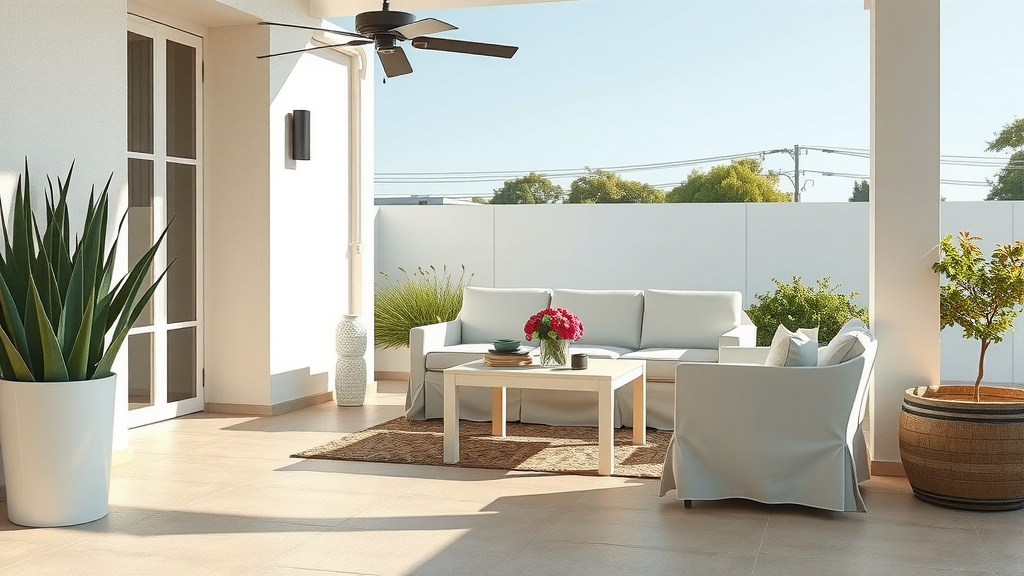
Making slipcovers for patio furniture typically involves measuring your existing cushions, creating a pattern from those measurements, carefully cutting outdoor-grade fabric, and then sewing the pieces together with durable seams and closures like zippers.
You can make slipcovers for patio furniture by following a straightforward process: measure, cut, and sew, using materials like UV-resistant and water-repellent outdoor fabric.
Making your own patio furniture slipcovers can feel like a big project, right? But it’s totally doable and brings so many rewards! Here’s the quick scoop on why and how:
- Save money compared to buying new cushions or professional services.
- Choose exactly the fabric you love for a custom look.
- Extend the life of your existing patio furniture.
- It’s a fun, rewarding DIY project you can brag about.
How To Make Slipcovers For Patio Furniture?
To make slipcovers for patio furniture, you will begin by accurately measuring your cushions, creating a precise pattern, and then skillfully cutting and sewing your chosen outdoor fabric. It’s about taking your time with each step for a great final product.
Why Even Consider Making Your Own Slipcovers?
Have you ever looked at your patio furniture and wished it had a fresh, new look? Or perhaps the old covers are just tired. Making your own slipcovers can truly transform your outdoor space without breaking the bank.
The Budget-Friendly Option
Buying new patio cushions can be quite expensive, can’t it? We found that creating your own slipcovers is often a significantly more affordable solution. You save on labor costs and get to shop for fabric sales.
A Touch of Personal Style
This is where your creativity shines! When you make your own, you’re not limited to what’s in stores. You can pick out patterns, colors, and textures that perfectly match your outdoor decor and personal flair.
Gathering Your Supplies: What You’ll Need
Before you dive into sewing, a little preparation goes a long way. Think of it like cooking; you wouldn’t start without all your ingredients ready. Let’s get everything lined up.
Choosing the Right Fabric
This is perhaps the most critical decision. For patio furniture, you need fabric that can stand up to the elements. Many experts say to look for materials that are UV-resistant and water-repellent (NIH).
Common choices include solution-dyed acrylics, polyester blends, and vinyl-coated fabrics. These are designed to resist fading, mildew, and moisture, keeping your covers looking good longer.
| Fabric Type | Key Properties | Best Use Case |
|---|---|---|
| Solution-Dyed Acrylic | Excellent fade resistance, soft feel | High sun exposure, comfy seating |
| Polyester Blends | Good durability, often water-resistant | Moderate sun, good value |
| Vinyl-Coated Fabric | Very water-resistant, easy to clean | Areas with heavy moisture exposure |
Essential Tools and Notions
You’ll need a few basic sewing tools to get started. Don’t worry, you probably have many of these already. A sturdy sewing machine is key for handling heavier outdoor fabrics.
Here’s a simple checklist to ensure you have everything for your slipcover project:
- Heavy-duty sewing machine
- Sharp fabric scissors or rotary cutter
- Measuring tape and ruler
- Fabric marker or chalk
- Pins or fabric clips
- Matching outdoor-grade thread
- Heavy-duty zippers (for easy removal)
- Seam ripper (because mistakes happen!)
Step-by-Step Guide to Crafting Your Slipcovers
Ready to turn that fabric into fantastic slipcovers? We’ll break it down into manageable steps. Remember, patience is your best friend here, especially for your first set.
Measuring Your Patio Cushions Carefully
This step truly dictates the success of your project. If your measurements are off, your slipcovers won’t fit right. Measure every side of your cushion: length, width, and depth. Write everything down immediately.
Double-check those numbers! Many experts recommend measuring twice to avoid costly fabric errors.
Creating Your Pattern Pieces
If you have the old slipcovers, they make a fantastic pattern! Just carefully take them apart at the seams. If not, you can make a pattern using craft paper or even old bed sheets.
- Measure all six sides of a cushion: top, bottom, front, back, and two sides.
- Add a seam allowance, typically 1/2 to 1 inch, to all edges.
- Cut out your paper pattern pieces for each section.
- Label each pattern piece clearly, like “Top,” “Side Left,” “Front,” etc.
Cutting Your Fabric with Confidence
Lay your fabric flat and smooth. Place your pattern pieces on the fabric, aligning with the fabric grain. Pin them securely to prevent shifting. Use your sharp scissors or rotary cutter to cut out each piece. Precision here means better fitting covers.
The Art of Sewing Your Slipcovers
Now for the fun part! Start by sewing the zipper to the designated edge (usually the back or bottom). Then, assemble the main body pieces, ensuring right sides are together. Use a durable stitch, as these covers will endure outdoor life.
If you plan to add piping for a more tailored look, sew the piping to the edges of your main panels before joining them. This adds a really professional touch to your finished slipcovers.
Finishing Touches and Fitting
Once everything is sewn, trim any excess threads. Give your new slipcovers a good press with an iron if the fabric allows. Then, the moment of truth: slip them onto your cushions! Adjust them, smooth out wrinkles, and admire your handiwork.
Caring for Your New Patio Slipcovers
You’ve put in all that effort, so let’s make sure those beautiful slipcovers last. Proper care is key to their longevity and vibrant appearance.
Extending Their Life Season After Season
Many guidelines point to regular cleaning as a good first step (CDC). Brush off loose dirt frequently. When they need a deeper clean, follow your fabric’s washing instructions carefully. Some fabrics can be machine washed, while others prefer spot cleaning.
During the off-season, remove your slipcovers and store them in a dry, protected area. This keeps them safe from harsh winter elements and ready for spring.
Conclusion
Making slipcovers for your patio furniture is a truly rewarding DIY project. It allows for incredible customization, significant cost savings, and the satisfaction of creating something beautiful and functional with your own hands. By carefully selecting your fabric, taking accurate measurements, and following the sewing steps, you can refresh your outdoor living space and enjoy your unique style for seasons to come. Give it a try; your patio will thank you!
How much fabric do I need for a standard patio chair?
For a standard patio chair cushion set (one seat, one back), you might need approximately 4 to 6 yards of 54-inch wide outdoor fabric. This varies based on cushion size, pattern repeat, and if you’re adding piping or skirts. It’s always smart to buy a little extra, perhaps an additional half-yard, to account for errors or matching patterns.
Can I use regular indoor fabric for patio slipcovers?
While you certainly can, it’s generally not recommended for outdoor exposure. Indoor fabrics lack the specialized treatments that outdoor fabrics have, meaning they will likely fade quickly, degrade from UV rays, and be susceptible to mildew and water damage. Your slipcovers would not last long at all.
What is the best way to clean homemade slipcovers?
The best way to clean your homemade slipcovers depends entirely on the fabric you chose. Always refer to the fabric manufacturer’s care instructions. Generally, solution-dyed acrylics can be machine washed cold on a gentle cycle, while polyester blends might prefer spot cleaning with mild soap and water. Always air dry them to prevent shrinking or heat damage.
Is making slipcovers hard for a beginner?
Making slipcovers can be a moderate challenge for a beginner, but it’s very achievable with patience. The process involves precise measuring and straight sewing lines. Start with simpler cushion shapes, like a basic square or rectangle, to build your confidence. There are many online tutorials and guides that can walk you through each step if you need visual help.
How long do handmade patio slipcovers last?
The lifespan of handmade patio slipcovers largely depends on the quality of your chosen outdoor fabric, the care you provide, and the climate they endure. With high-quality UV-resistant fabric and proper maintenance, including seasonal storage, your slipcovers can easily last anywhere from 3 to 7 years, possibly even longer. Cheaper fabrics will naturally have a shorter life.
