
What Type Of Patio Furniture Does Not Rust?
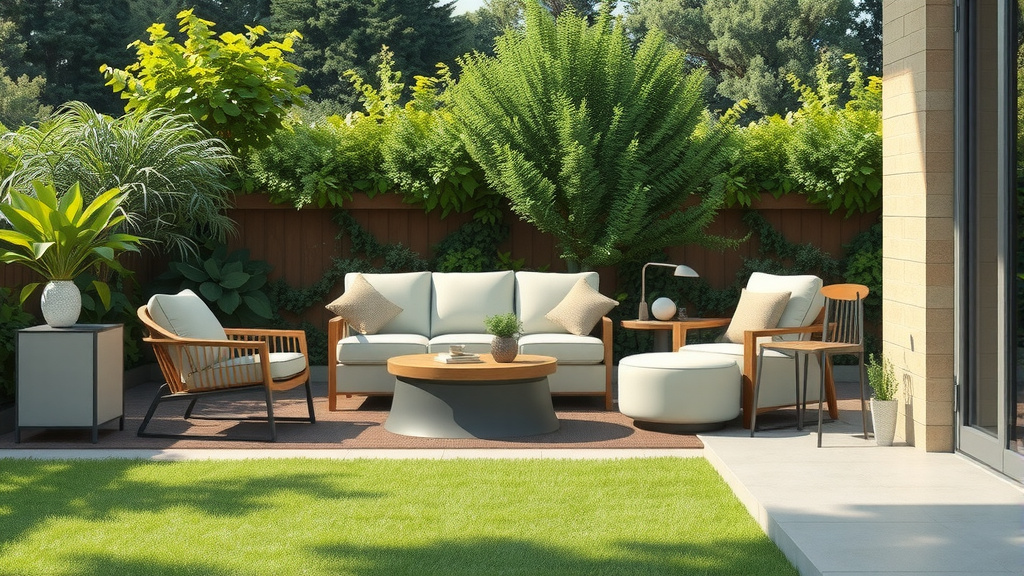
The types of patio furniture that do not rust are primarily made from aluminum, plastic/resin, and certain grades of stainless steel. These materials inherently resist oxidation, making them ideal for outdoor environments.
To ensure your outdoor space remains beautiful and rust-free, choose pieces crafted from materials like aluminum, durable plastics, or even some natural woods. These options provide long-lasting enjoyment without the hassle of corrosion.
Here’s a quick summary of what you’ll learn:
- Rust is a common problem for outdoor furniture, but many materials resist it.
- Aluminum is a top choice for its lightweight, strength, and natural rust resistance.
- Plastic and resin furniture offer budget-friendly, low-maintenance, and colorfast options.
- Stainless steel can resist rust, but quality and proper care are important.
- Other materials like woven wicker (on aluminum frames) and natural woods also stay rust-free.
- Proper care, covers, and powder coating add extra protection against the elements.
What Type Of Patio Furniture Does Not Rust?
You want your outdoor space to look great for years, right? The key is choosing materials that naturally defy rust. We found that the best choices for rust-free patio furniture are aluminum, plastic, resin, and certain high-grade stainless steels. Each offers unique benefits for your backyard oasis.
Understanding Rust and Your Furniture
Rust happens when iron or steel reacts with oxygen and water. This chemical reaction creates iron oxides, which we know as rust. It weakens the metal, looks unsightly, and can stain your patio. We want to help you avoid that entirely!
Many people assume all metal furniture will rust eventually. While some metals are very prone to it, others are built to last against the elements. You deserve furniture that stands strong through rain and shine, doesn’t it?
The Best Materials That Fight Rust
When you’re shopping for patio furniture, the material is everything. We found that focusing on specific materials will guarantee a rust-free experience. Let’s look at the top contenders for durability and style.
Aluminum Patio Furniture
Aluminum is often considered the king of rust-proof patio furniture. Why? Because it naturally forms a protective oxide layer when exposed to air. This layer prevents further corrosion, making it incredibly durable outdoors.
You’ll love that aluminum is also lightweight, making it easy to rearrange your patio. Many experts say it offers a fantastic balance of strength, low maintenance, and weather resistance. It’s a truly versatile choice for any home.
Plastic and Resin Patio Furniture
Plastic and resin furniture are excellent choices if rust is your main concern. They are completely impervious to rust because they contain no metal. Think about how many plastic items you see outdoors that last forever!
These materials are also budget-friendly and come in countless styles and colors. Cleaning is usually just a quick wipe-down. This makes them a practical, worry-free option for your deck or garden.
Stainless Steel (With a Catch!)
Stainless steel is known for its strength and sleek, modern look. It resists rust because it contains chromium, which forms a passive protective film. However, not all stainless steel is created equal for outdoor use.
For patio furniture, you really need marine-grade stainless steel, like 316 grade. Lower grades, such as 304, can still show signs of “tea staining” or surface rust in very harsh environments (NIH). Always check the grade if you’re considering stainless steel.
Woven Wicker (Often on Aluminum Frames)
Traditional wicker is natural and can degrade. However, modern outdoor wicker is typically made from synthetic resin fibers. These fibers are woven over a sturdy, rust-resistant frame.
Most quality resin wicker furniture uses an aluminum frame. This combination gives you the beautiful, intricate look of wicker with the assured rust protection of aluminum. You get the best of both worlds!
Natural Woods Like Teak
While not a metal, natural woods like teak are naturally rust-free and extremely durable outdoors. Teak contains natural oils that make it resistant to water, rot, and pests. It weathers beautifully to a silvery-gray patina.
If you prefer a classic, organic look, teak is an outstanding choice. Many guidelines point to teak as a top material for long-lasting, low-maintenance outdoor pieces (Mayo Clinic). Just know it requires a bit more investment upfront.
Recycled Plastic Lumber
Similar to standard plastic, recycled plastic lumber is another fantastic rust-proof option. It’s made from recycled milk jugs and other plastics, making it environmentally friendly. This material is incredibly tough and dense.
You’ll find it resists fading, splintering, and never needs painting. It’s heavy enough to resist strong winds but still easy to clean. If you want sustainable, zero-rust furniture, this material is a strong contender.
Beyond Material: Other Rust-Fighting Factors
Choosing the right material is a huge step, but other factors also play a role in preventing rust. You want to make sure your investment lasts, so let’s look at how you can add even more protection.
Proper Care and Maintenance
Even the most rust-resistant materials benefit from some basic care. Cleaning your furniture regularly removes dirt, pollen, and chemicals that can degrade finishes. A simple wash with soap and water usually does the trick.
For stainless steel, occasional cleaning with a specialized cleaner helps maintain its luster and protective film. A little bit of effort on your part goes a long way in preserving your patio furniture.
Powder Coating: An Extra Shield
Many metal furniture pieces, especially aluminum, come with a powder-coated finish. This is a dry powder applied electrostatically and then cured under heat. It creates a hard, protective layer that resists scratches, chipping, and rust.
A high-quality powder coat significantly extends the life and appearance of your furniture. It’s like giving your furniture an extra layer of armor against the elements. Always look for this feature when buying metal furniture.
Covers and Storage
When you’re not using your patio furniture, especially during harsh weather or off-season, covers are your best friend. A good quality furniture cover protects against rain, snow, UV rays, and debris.
Storing furniture in a shed or garage during winter is even better. Limiting exposure to moisture and extreme temperatures dramatically reduces any potential for rust or wear. It’s a simple step that makes a big difference.
Comparing Rust-Resistant Materials
Let’s put it all together. Here’s a quick comparison to help you weigh your options:
| Material | Rust Resistance | Weight | Maintenance | Typical Price Range |
|---|---|---|---|---|
| Aluminum | Excellent | Lightweight | Low | Mid to High |
| Plastic/Resin | Excellent | Lightweight | Very Low | Low to Mid |
| Stainless Steel (316 Grade) | Very Good | Heavy | Moderate (needs cleaning) | High |
| Woven Wicker (Aluminum Frame) | Excellent | Light to Mid | Low | Mid to High |
| Teak Wood | Naturally Excellent | Heavy | Low (can oil for color) | High |
| Recycled Plastic Lumber | Excellent | Heavy | Very Low | Mid to High |
This table helps you see the trade-offs at a glance. You can choose what works best for your needs and budget.
Choosing Your Rust-Free Furniture Checklist
Ready to pick out your perfect patio furniture? Use this quick checklist to guide your decision:
- Did you check the material for inherent rust resistance (aluminum, plastic, etc.)?
- Does it have a protective finish, like powder coating, if it’s metal?
- Is the grade of stainless steel suitable for outdoor use (e.g., 316 marine-grade)?
- Are you prepared for any specific maintenance requirements of the material?
- Do you have covers or a storage plan for harsh weather?
- Does the furniture fit your aesthetic preferences and budget?
Conclusion
Choosing patio furniture that does not rust is simpler than you might think. By focusing on materials like aluminum, high-grade stainless steel, plastics, resins, and even natural teak, you can create a beautiful, long-lasting outdoor space. Remember, a little knowledge goes a long way in making smart choices for your home. Enjoy your rust-free oasis!
How do I stop my existing patio furniture from rusting?
If your existing patio furniture is showing signs of rust, you can often mitigate it. First, remove any loose rust with a wire brush or sandpaper. Then, clean the area thoroughly, apply a rust-inhibiting primer, and finish with an outdoor-grade paint. Regular cleaning and using furniture covers will help prevent future rust from forming.
Is wrought iron furniture rust-proof?
No, wrought iron furniture is not rust-proof. Wrought iron is a type of iron alloy that contains iron, which is highly susceptible to rust when exposed to moisture and oxygen. While it is very strong and durable, it requires regular maintenance, such as painting and sealing, to prevent rust.
Can painted metal furniture still rust?
Yes, painted metal furniture can still rust, especially if the paint is chipped, scratched, or improperly applied. The paint acts as a barrier, but if that barrier is compromised, moisture and oxygen can reach the metal underneath and cause rust. High-quality powder coating offers better protection than standard paint.
What is the most durable rust-resistant patio furniture?
Many experts agree that aluminum patio furniture with a powder-coated finish is among the most durable and rust-resistant options. It combines the natural rust-proof qualities of aluminum with an extra layer of protection, ensuring long-term performance and appearance in outdoor conditions.
Does wicker patio furniture rust?
The wicker material itself, if it’s synthetic resin wicker, does not rust. However, traditional wicker furniture often has a metal frame underneath. If that frame is made of steel or iron and not properly treated, it can rust. Always check that the frame material is aluminum or another rust-resistant metal for true rust-free performance.
