
What Is a Pergola Used For?
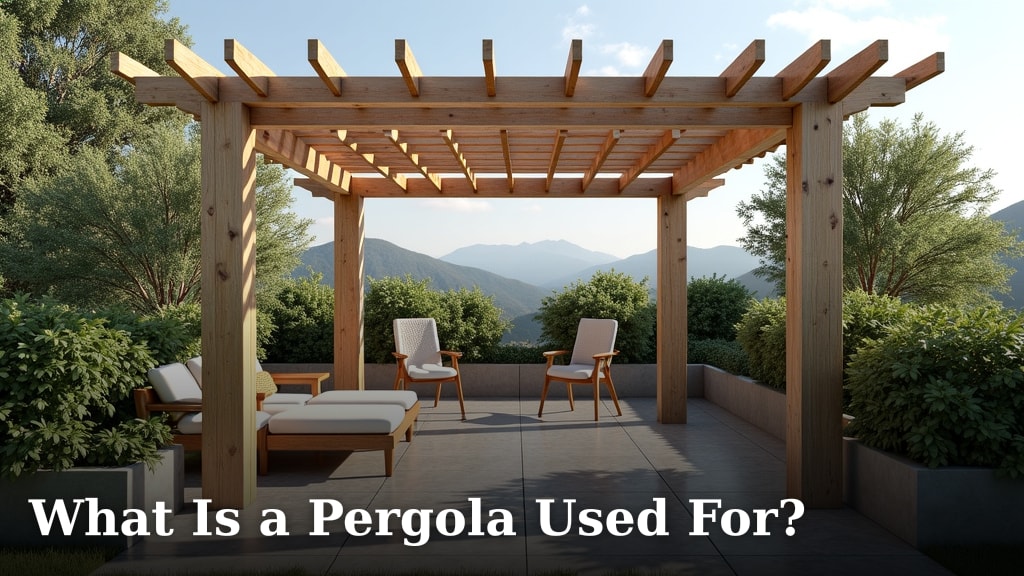
A pergola is an outdoor structure, often found in gardens or patios, designed to provide a shaded area and visual interest. It typically features an open-roofed structure supported by posts or columns, creating a lovely spot for outdoor living. You can use a pergola to define a space, like an outdoor dining room, or to support climbing plants for a more natural feel. It’s a versatile addition to your backyard that offers both functional beauty and aesthetic appeal.
Beyond just shade, pergolas serve a dual purpose in enhancing your outdoor experience. They can be a fantastic way to add architectural style to your property, acting as a focal point. Many homeowners use them to create a transition zone between their indoor living space and the rest of their yard, making your home feel more expansive. They also offer a way to introduce a sense of privacy and enclosure without the need for solid walls, creating a more inviting ambiance.
- Define outdoor spaces like dining or lounging areas.
- Add architectural beauty and a focal point to your yard.
- Support climbing plants for natural shade and beauty.
- Create a sense of enclosure and privacy.
- Enhance your home’s outdoor living experience.
Let’s get into the different ways you can use a pergola to transform your outdoor space.
How Can You Best Utilize a Pergola’s Design?
A pergola is more than just a pretty garden structure. It’s a versatile element that can transform your outdoor living space. Think of it as an architectural frame for your yard. It can define areas, add shade, and even boost your home’s curb appeal. We found that many homeowners use pergolas to create distinct zones. This makes their backyards feel more functional and organized.
Creating Defined Outdoor Rooms
One of the most popular uses for a pergola is to section off your yard. It helps create a sense of purpose for different areas. You might want a cozy spot for morning coffee. Or perhaps a place for alfresco dining. A pergola can clearly mark these spaces. It acts like an invisible wall, guiding you and your guests. This helps establish an outdoor room without feeling closed off. You get definition and flow at the same time.
An Outdoor Dining Area
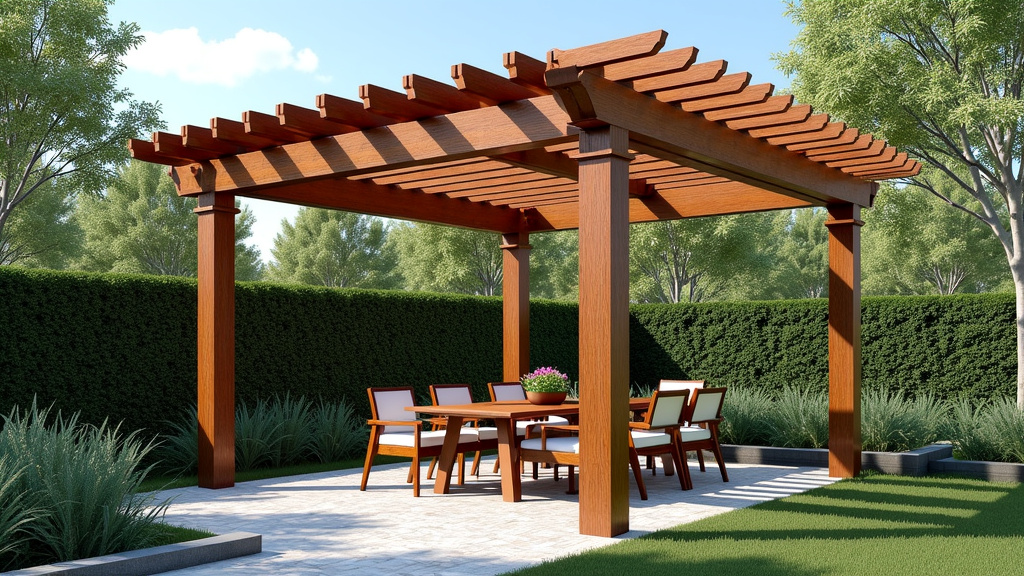
Imagine enjoying dinner under the open sky. A pergola can make this a reality. It’s perfect for placing your dining table and chairs. You can hang lights or decorative elements. This makes the space feel special. Many find that this helps them entertain more often. It’s like adding a new dining room to your house. You can extend your dining season well into the evening.
A Relaxing Lounge Space
Your pergola can also become your personal oasis. Set up comfortable seating, like a sofa or chaise lounges. Add some outdoor rugs and pillows. This creates an inviting spot to unwind. It’s a great place to read a book or chat with friends. We found that a pergola can truly transform a simple patio. It becomes a destination for relaxation. It feels like a secluded retreat.
A Welcoming Entryway
You can even use a pergola to enhance your home’s entrance. Placing one over your front door or walkway adds charm. It creates a grander welcome for visitors. It also provides a touch of shelter. Some research suggests that a well-designed entryway can increase a home’s perceived value. It sets a positive first impression. It’s a beautiful way to greet guests.
Adding Shade and Ambiance
While pergolas have an open roof, they do offer some shade. The beams themselves create a dappled light effect. But you can enhance this significantly. Adding materials to the top allows for more sun protection. This makes your outdoor space more comfortable. You can control how much sun or shade you get.
Natural Shade with Plants
One classic pergola application is to grow climbing plants. Vines like wisteria, clematis, or jasmine can weave through the structure. As they grow, they create a lush, green canopy. This provides beautiful, natural shade. It also adds color and fragrance to your yard. We found that this method offers a unique, organic feel. It connects your outdoor space with nature. Think of it as living architecture.
Many gardening experts suggest choosing plants suited to your climate. Some plants offer denser shade than others. For instance, grapevines can provide good coverage. Leafy annuals or perennials can fill in gaps. The key is to let the plants do their work over time. This can take a season or two to fully establish. But the result is a dynamic, ever-changing canopy.
Adding Fabric or Louvered Covers
If you prefer more immediate shade, consider adding coverings. You can attach fabric canopies or shades to the top beams. These can be retractable for easy adjustment. Louvered roof systems offer another option. They allow you to tilt the slats to control sun and airflow. This gives you maximum flexibility. You can get full shade or let the sun in when you want it. Many homeowners appreciate the control over their comfort.
A fabric cover can add a pop of color. It can also soften the look of the pergola. Louvered roofs offer a more modern and permanent solution. They are often made from durable aluminum or wood. Research from architectural sites indicates these systems can withstand various weather conditions. They are a practical choice for extended use.
Enhancing Your Garden’s Appeal
Pergolas aren’t just for patios. They can be beautiful additions to any garden. They provide a vertical element that draws the eye. This can break up flat landscapes. They also offer support for decorative features.
As a Garden Feature or Arbor
You can install a pergola in a garden bed or lawn. It can stand alone as a focal point. Or it can mark a path. Think of it as a garden room without walls. It guides you through your landscape. Some people use them as a decorative archway. They connect different garden zones. We found that this adds a touch of architectural interest to green spaces.
Supporting Climbing Flowers and Vines
As mentioned earlier, plants love pergolas. They are the perfect trellis for many varieties. This is especially true in gardens. A pergola covered in blooming vines is stunning. It adds layers of texture and color. It can also attract pollinators like bees and butterflies. This supports a healthier garden ecosystem. It’s a beautiful marriage of structure and nature.
Creating a Sense of Privacy and Enclosure
While open-roofed, pergolas can still create a sense of privacy. The posts offer some visual barrier. And the overhead structure provides a defined space. This can make an area feel more intimate.
Defining Boundaries Without Walls
A pergola can act as a partial screen. It separates your yard from neighbors without being a solid fence. This maintains an open feel. But it still provides a psychological boundary. It helps create a more personal outdoor sanctuary. Many find this balances connection and seclusion well.
Adding Curtains or Screens
For enhanced privacy, you can add more elements. Outdoor curtains can be hung from the sides. These can be drawn for extra seclusion. They also offer protection from wind and sun. Some pergolas are designed with built-in screen options. These can be rolled up or down. They provide a physical barrier when needed. This versatility is why pergolas are so popular. They offer customizable privacy solutions.
A Checklist for Maximizing Your Pergola’s Use
Ready to make the most of your pergola? Here’s a quick checklist to get you started:
- Decide on your primary use: dining, lounging, or decorative.
- Consider adding climbing plants for natural shade and beauty.
- Explore options for retractable canopies or louvred roofs for sun control.
- Think about lighting to extend usability into the evening.
- Add comfortable outdoor furniture to enhance the experience.
- Incorporate decorative elements like curtains or planters.
Conclusion
You’ve seen how a pergola can be so much more than just a garden structure. It’s a powerful tool for defining your outdoor spaces, creating cozy dining nooks or serene lounging areas. Whether you embrace natural shade from climbing plants or opt for modern fabric or louvered covers, you gain comfort and ambiance. A pergola adds architectural charm to your yard and can even offer a sense of privacy. Ready to transform your backyard? Start by sketching out where your ideal pergola would fit and what its main purpose will be.
Frequently Asked Questions
Can a pergola really provide enough shade?
Yes, a pergola can provide substantial shade, especially when enhanced. While the beams alone create dappled light, adding climbing plants or fabric/louvered covers significantly increases sun protection. This allows you to control the level of shade for your comfort.
What are the best plants to grow on a pergola for shade?
Many climbing plants work well, with choices like wisteria, clematis, and jasmine being popular for their beauty and fragrance. Grapevines are also excellent for dense shade. Always select plants suited to your local climate for the best results.
How do I make my pergola feel more private?
You can enhance privacy by hanging outdoor curtains or installing retractable screens on the sides. These elements offer adjustable seclusion and can also provide protection from sun and wind, creating a more intimate outdoor sanctuary.
Can a pergola help increase my home’s value?
A well-designed and maintained pergola can enhance your home’s curb appeal and usability. Research suggests that attractive outdoor living spaces, like those created by pergolas, can increase a home’s perceived value and make it more appealing to potential buyers.
What maintenance is typically required for a pergola?
Maintenance varies by material, but generally involves checking the structure for stability, cleaning it periodically, and caring for any plants or coverings. Wooden pergolas may require sealing or staining. Those with metal or composite materials are often lower maintenance.
