
What Is Teak Wood Grade a vs B?
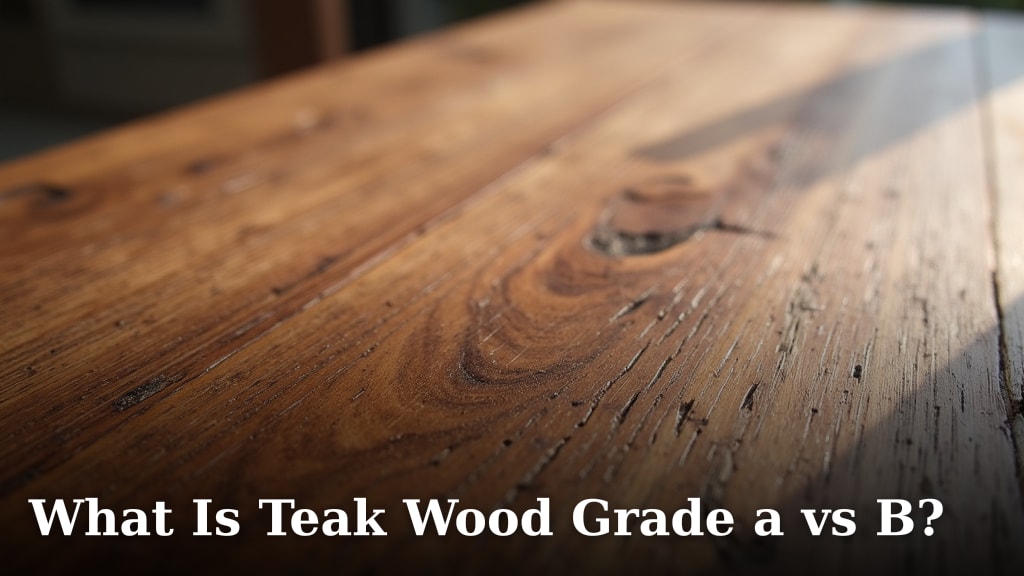
Teak wood grades like A vs. B are all about how much of the heartwood is present, which is the most durable and attractive part of the tree. Grade A teak, also known as 100% heartwood, is the highest quality and the most resistant to decay and insects. Grade B might include some sapwood, which is less dense and more prone to issues over time.
When you’re looking at teak furniture or decking, understanding these grades helps you make a choice that fits your budget and your needs for longevity. The heartwood is where all the natural oils and silica are concentrated. This makes it incredibly weather-resistant, which is why teak is so prized for outdoor use. Many people wonder if the grade really makes a difference, and our research shows it absolutely does for long-term performance.
- Grade A teak is 100% heartwood.
- It’s the most durable and resistant to decay.
- Grade B may contain some sapwood.
- Heartwood has natural oils that protect it.
- Choosing the right grade impacts longevity.
Let’s dive into what makes Grade A and Grade B teak different and how that impacts your purchasing decisions.
Understanding Teak Wood Grades: A vs. B Explained
Teak wood grading might seem a bit technical at first. But understanding it is key to getting the best value for your money. You want teak that lasts and looks great, right? The grade tells you where on the tree the wood came from.
This difference matters for durability and appearance. We’ll break down what makes Grade A different from Grade B. This will help you make informed choices for your furniture or decking projects.
The Heart of the Matter: What is Teak Heartwood?
Teak’s reputation for toughness comes from its heartwood. This is the dense, central part of the tree’s trunk. It’s rich in natural oils and silica. These compounds make the wood naturally resistant to water, rot, and insects. Think of it like the tree’s own built-in shield.
The older a teak tree is, the more heartwood it develops. This is why mature trees yield the highest quality teak. You’ll find the most consistent color and grain in heartwood. Learn how to season teak furniture to maintain its natural beauty and protect it from the elements.
Sapwood vs. Heartwood: The Visible Difference
Sapwood is the outer layer of the tree. It carries nutrients and water from the roots to the leaves. While still wood, it’s less dense and contains fewer protective oils than heartwood. This makes it more susceptible to decay and insect damage.
Visually, sapwood is often lighter in color. It can be creamy white or pale yellow. Heartwood, on the other hand, ranges from golden brown to dark brown. You might also see darker streaks in heartwood.
| Feature | Grade A Teak (Heartwood) | Grade B Teak (Mixed) |
|---|---|---|
| Heartwood Content | 100% | 75% or less |
| Sapwood Content | 0% | 25% or more |
| Durability | Excellent | Good, but less so than Grade A |
| Appearance | Rich, consistent color and grain | Can be less uniform, may have lighter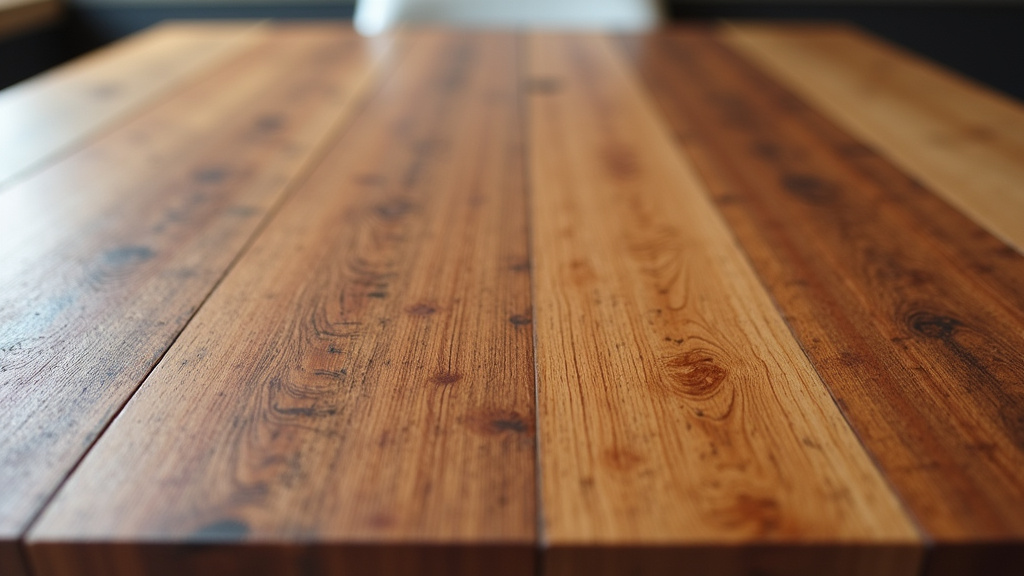 ConclusionUnderstanding teak wood grades is key to making a smart purchase. Grade A is the premium choice, offering 100% heartwood for unmatched durability and beauty. Grade B can be a more budget-friendly option, but it means accepting some sapwood. This difference impacts how well your teak stands up to the elements over time. When you’re ready to buy, look for clear specifications about the heartwood content. This ensures you’re getting the quality you expect for your outdoor furniture or decking project. Frequently Asked QuestionsDoes Grade B teak still last a long time?Yes, Grade B teak can still offer good longevity. It contains less heartwood and more sapwood than Grade A. While it might not be as resistant to decay and insects as 100% heartwood, it’s still a durable wood. Proper care and maintenance will help extend its lifespan. Is Grade A teak worth the extra cost?For many, Grade A teak is worth the investment if you prioritize longevity and appearance. Its 100% heartwood composition provides superior resistance to weather, rot, and pests. This means less worry and potentially lower replacement costs over many years, especially for high-use items like outdoor furniture or decking. How can you tell the difference between Grade A and Grade B teak visually?Visually, Grade A teak will have a rich, consistent golden-brown to dark brown color throughout. Grade B might show lighter streaks or areas, which indicate the presence of sapwood. However, distinguishing between grades can be difficult without clear labeling, as sapwood can be stained. Can sapwood in Grade B teak be treated to be more durable?While you can treat sapwood to offer some protection, it will never be as inherently durable as teak heartwood. The natural oils and silica that make teak so resistant are concentrated in the heartwood. Treatments can help, but they don’t fully replicate the natural defenses of Grade A teak. Where does the grading of teak wood come from? |
