
How to Fix a Wobbly Patio Table?
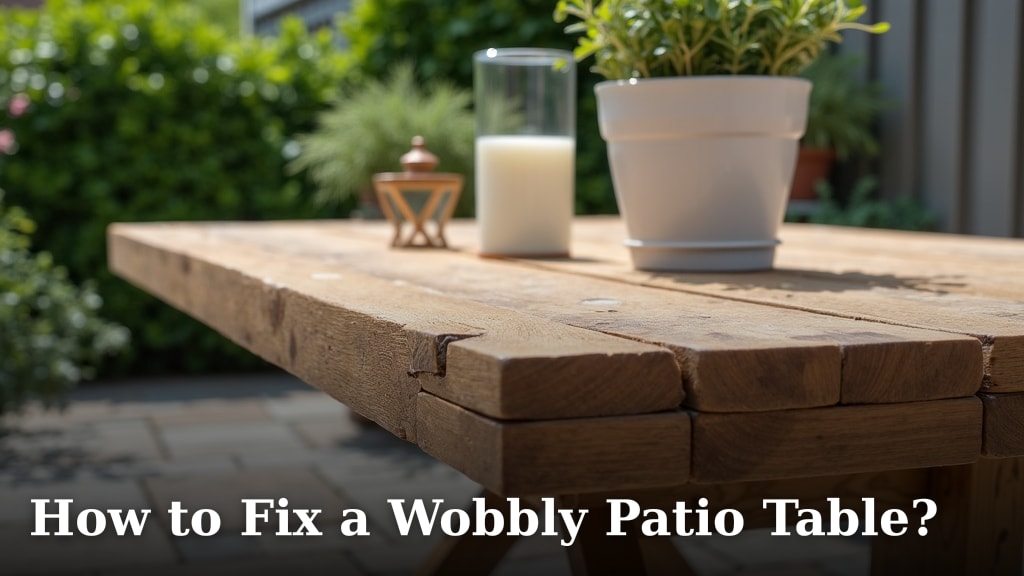
Fixing a wobbly patio table is usually quite simple! Most of the time, a loose leg or uneven ground causes the wobble. You can often fix it by If your table is made of resin wicker, our guide on how to fix resin wicker patio furniture can help.tightening fasteners or using shims to level the table. Don’t let a little wobble ruin your outdoor dining.
A wobbly table can be annoying and even a bit dangerous. We found that many common patio table designs have simple solutions for this problem. Understanding the cause is the first step to enjoying a stable and reliable outdoor space. Fixing it yourself can save you money too.
- Check for loose parts first.
- Tighten any wobbly legs or braces.
- Use shims or wedges to level the table.
- Consider felt pads for minor adjustments.
Ready to get your patio table stable again? Let’s walk through the most common fixes step by step.
Stop the Wobble: Fixing Your Unsteady Patio Table
A wobbly patio table is a common annoyance. You just want to enjoy a meal outside, but your drinks are sloshing and plates are tilting. Fortunately, most wobbly table issues are **easy to fix** yourself. We found that the solutions often involve simple adjustments rather than expensive repairs. Let’s get your patio table stable again so you can relax.
Diagnosing the Wobble: Where’s the Looseness Coming From?
Before you grab any tools, it helps to understand why your table is wobbling. Think of it like a doctor checking your pulse. The first step is always to **figure out the root cause**. We found that most wobbles come from just a few common culprits.
Inspect All Legs and Supports
Gently rock the table from side to side. See which leg seems to be lifting or causing the instability. Look for any visible cracks or damage on the legs. Also, check the connection points where the legs meet the tabletop or frame. Are they loose? Are there bolts, screws, or other fasteners?
Examine the Ground Beneath
Sometimes, the table isn’t the problem at all. The ground it sits on might be uneven. Is your patio slightly sloped? Is there a dip or bump under one of the legs? Even a small difference in ground level can make a sturdy table feel unsteady. You can test this by placing the table on a known flat surface, like a garage floor, to see if the wobble disappears.
Check for Warping or Damage
Materials like wood can warp over time, especially with exposure to sun and rain. Metal can bend. If one part of a leg or a connecting brace is slightly warped, it can throw off the entire balance. This is less common for newer tables but can happen with older ones.
Simple Fixes for Common Patio Table Wobbles
Once you’ve identified the likely cause, you can move on to the fix. We’ve broken down the most effective solutions. Most of these require minimal effort and common household items. Let’s tackle that wobble head-on!
Tighten Loose Fasteners
This is often the quickest fix. If your table has bolts, screws, or nuts holding the legs or frame together, check if they are snug. Many table designs use wing nuts or bolts that can loosen over time due to vibration and weather. Get your screwdriver or wrench and give them a turn. Don’t overtighten, as this can strip the threads or damage the material.
Tools You Might Need
- Screwdriver (Phillips and flathead)
- Adjustable wrench or socket set
- Pliers
- Allen wrench (often included with furniture)
The Tightening Process
Start with the legs. If you see bolts, try to tighten them. For tables with cross braces connecting the legs, check those bolts too. You might need to have someone help you by holding the leg steady while you tighten. We found that tightening the fasteners in an alternating pattern, like on a car tire, can help distribute pressure evenly.
Using Shims for Uneven Ground
If the ground is the culprit, or if tightening fasteners didn’t solve it, shims are your best friend. Shims are thin wedges used to fill gaps and level surfaces. They are perfect for creating a stable base for a wobbly table leg. You can buy purpose-made furniture shims, or even cut your own.
What to Use as a Shim
You can find inexpensive plastic or wooden shims at most hardware stores. If you need a quick fix, even folded-up cardboard, a piece of rubber, or a small flat stone can work in a pinch. The goal is to provide a **solid, level surface** for the offending leg.
How to Shim Effectively
Place the table in its usual spot. Identify the leg that is lifting off the ground. Slide your chosen shim underneath that leg. Start with a thin shim and gradually add thickness if needed. You want the table to sit level without rocking. It might take a few tries to get the height just right. Make sure the shim is secure and won’t slip out easily. We found that shims made of durable material like rubber or dense plastic last longer outdoors.
Adjustable Leg Levelers
Some patio tables come with built-in adjustable leg levelers. These are small, threaded feet that screw into the bottom of the table legs. You can simply twist these levelers up or down to compensate for uneven ground or slight manufacturing imperfections. If your table has these, give them a try first! They are the easiest way to fine-tune the stability.
Checking for Levelers
Flip your table over carefully. Look at the very bottom of each leg. Do you see a plastic or metal piece that looks like it can be turned? It might be round or square. If you have these, they are your magic wands for leveling. If your table doesn’t have them, you can sometimes purchase universal ones that screw into existing holes or attach with adhesive, though this is more involved.
Dealing with Warped or Damaged Parts
If you find a leg is genuinely warped or broken, this is a more serious issue. Minor warping might be manageable with creative shimming, but significant damage often requires replacement parts. Many furniture manufacturers sell replacement legs or frames. You can also sometimes find generic parts that might fit, but it requires careful measurement. For a wooden table, a skilled DIYer might be able to repair minor cracks with wood glue and clamps. However, for significant damage, it might be time to consider if the table is worth repairing or if a new one is in order.
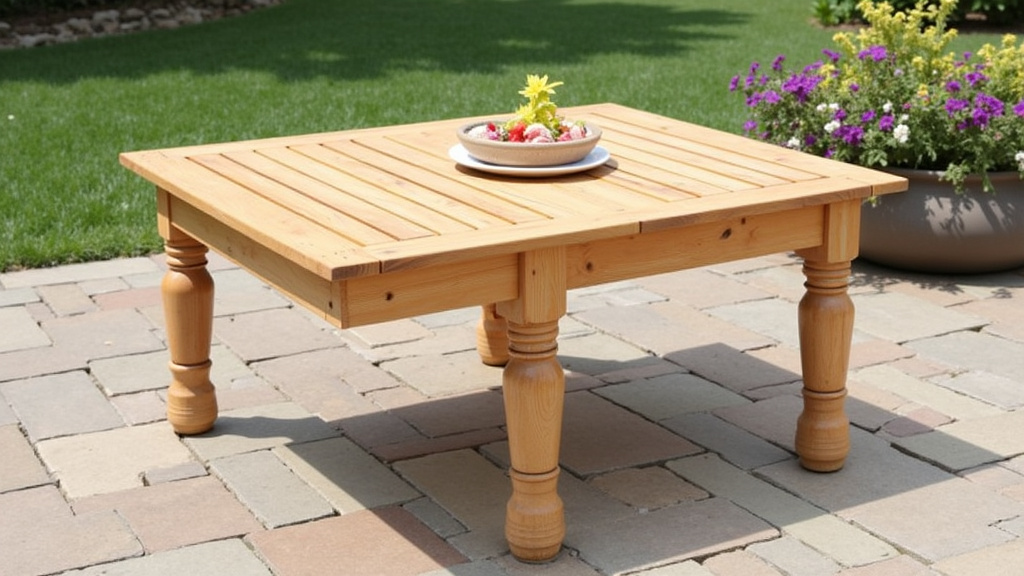
Preventative Measures: Keeping Your Table Stable
Once you’ve got your table sitting steady, you’ll want to keep it that way. A little bit of regular maintenance goes a long way. We found that a few simple habits can prevent future wobbles.
Regularly Check and Tighten
Make it a habit to quickly check your patio table’s stability every few months. Just give it a gentle rock. If you notice any looseness, tighten the fasteners right away. This is much easier than dealing with a full-blown wobble later.
Protect from the Elements
When possible, cover your patio furniture or store it during harsh weather seasons. Excessive moisture and extreme temperatures can accelerate wear and tear, leading to warping or loosening of parts. A good quality patio furniture cover can make a big difference. To maintain stability and prevent damage, consider if you need a cover for patio furniture.
Use Felt Pads
If you’re using shims, consider adding felt pads to the bottom of the legs. This not only protects your patio surface from scratches but can also help the shims grip better. For minor wobbles on a mostly level surface, felt pads alone might even be enough to stabilize your table. They are also great for protecting indoor floors if you bring the table inside during bad weather.
Wobbly Table Checklist: Quick Steps to Stability
Here’s a quick rundown to get your table stable:
- Inspect: Gently rock the table to find the wobbly leg.
- Check Fasteners: Look for and tighten any loose bolts or screws.
- Assess Ground: See if the ground beneath is uneven.
- Shim It: Slide a shim under the low leg to level it.
- Test It: Give the table a good push to ensure it’s stable.
- Maintain: Periodically check and tighten as needed.
You’ve done it! With these steps, your patio table should be standing tall and steady. Enjoy your perfectly balanced outdoor space!
Conclusion
You’ve successfully tackled that wobbly patio table! By inspecting for loose parts, checking your ground, and making simple adjustments like tightening fasteners or using shims, your table should now be wonderfully stable. We found that most wobbles are surprisingly easy fixes that don’t require special skills. Now, you can get back to enjoying relaxed meals and conversations outdoors without the annoyance. Your next step is to perform a quick stability check every few months to keep it perfectly steady.
Frequently Asked Questions
How do I know if the table itself is damaged or just needs tightening?
Gently rock the table to pinpoint the loose leg. Look closely at the leg and where it connects to the tabletop or frame for any visible cracks, bends, or loose screws. If the fasteners are tight and the leg still feels wobbly or detached, there might be underlying damage.
Can I fix a wobbly patio table with a bent leg?
A slightly bent metal leg might be carefully straightened with a rubber mallet on a hard surface, but be cautious not to overdo it. For severely bent or broken legs, especially on wood tables, you’ll likely need to replace the part. Check with the manufacturer for replacement parts or consider a professional repair.
What’s the best material to use for shims outdoors?
For outdoor use, durable materials like rubber, dense plastic, or treated wood are best. These won’t easily degrade from moisture or temperature changes. Avoid thin cardboard or soft wood, as they can break down quickly or become waterlogged, losing their effectiveness.
My patio table has adjustable feet, but it still wobbles. What now?
Ensure you’ve adjusted them evenly on all legs to find a level point. If it still wobbles, the issue might be with the table’s frame or a leg itself, not just the ground. Try tightening any visible screws or bolts on the frame, or consider if a leg is slightly shorter than the others due to damage.
How often should I check my patio table for wobbles?
We recommend doing a quick stability check every couple of months, especially after periods of heavy rain or temperature shifts. A simple gentle rock will tell you if anything has loosened up. Addressing minor issues early prevents them from becoming bigger problems.
