
How Often Should You Oil Teak Furniture?

You should oil your teak furniture about once or twice a year, depending on your climate and how much sun it gets. This simple step helps protect the wood, keeping it looking its best and preventing it from drying out. Proper oiling maintains teak’s beautiful color and natural luster.
Many factors influence how often you’ll need to reach for the oil can. Areas with intense sun or harsh weather might require more frequent attention. We found that consistently oiling teak furniture prevents it from turning that silvery gray, which some people like, but it also signals the wood is drying out. Think of it like moisturizing your skin to keep it healthy!
- Oil teak furniture 1-2 times annually.
- More sun and harsh weather mean more frequent oiling.
- Oiling prevents drying and keeps teak’s rich color.
- It protects your furniture for longer enjoyment.
- Consistency is key for healthy, beautiful teak.
Let’s walk through exactly why oiling is so important and how to do it right to keep your teak looking fantastic for years to come.
When and Why You Should Oil Your Teak Furniture
Knowing how often to oil your teak furniture is key. We found that most experts suggest oiling teak once or twice a year. This routine helps maintain its rich color and prevents the wood from drying out. Oiling acts like a protective shield for your furniture.
Understanding Teak’s Natural Needs
Teak wood is naturally oily. This is what makes it so resistant to moisture and decay. However, when teak furniture is exposed to the elements, these natural oils can leach out. This leaves the wood vulnerable and can lead to drying and cracking over time.
Think of it like your skin. If you don’t moisturize, your skin can become dry and flaky. Teak is similar. Regular oiling helps replenish those lost oils. This keeps the wood supple and looking its best. It’s a simple way to care for your investment.
Factors Influencing Oiling Frequency
Several things can affect how often you need to apply oil. Your climate plays a big role. If you live in a very dry or hot area, the sun can be harsh on the wood. This means you might need to oil your furniture more often than someone in a milder climate.
The amount of sun exposure is also important. Furniture placed in direct sunlight will dry out faster. We found that even a few hours of intense sun each day can make a difference. Shade can help, but doesn’t eliminate the need for oiling entirely.
Rain and humidity also matter. While teak is water-resistant, constant saturation can still affect it. If your furniture is frequently exposed to rain, you’ll want to ensure it’s well-protected. This means checking the oil levels more often.
Climate Considerations
- Hot, Dry Climates: You may need to oil 2-3 times a year. The sun bakes out moisture quickly.
- Humid Climates: Oiling once a year might be enough. Humidity helps keep the wood from drying too fast.
- Moderate Climates: Aim for twice a year. This provides consistent protection.
Sunlight Exposure
We found that furniture that sits in direct sunlight for most of the day needs more attention. Look for signs of dryness, like a lighter color or rough texture. Even shaded furniture can benefit from regular checks.
The Benefits of Regular Teak Oiling
Oiling your teak furniture isn’t just about looks; it’s about preservation. This practice ensures your furniture lasts for years. It keeps the wood healthy and strong against the elements. You’re essentially giving it a spa treatment!
Protecting Against UV Damage
The sun’s ultraviolet (UV) rays are damaging to wood. They can break down the wood fibers over time. This leads to fading and a dull appearance. Teak oil often contains UV inhibitors. These help block the harmful rays. They act like sunscreen for your furniture. We found that this is a key benefit for outdoor pieces.
Preventing Dryness and Cracking
As we mentioned, teak can dry out. When it does, it becomes brittle. This brittleness can lead to small cracks. These cracks can then deepen and spread. Oiling keeps the wood fibers moist and flexible. This prevents them from becoming weak and prone to damage.
Maintaining That Rich Teak Color
Many people love teak for its warm, golden-brown color. Without proper care, teak will turn a silvery-gray over time. This is a natural process called weathering. While some people prefer this look, it’s a sign that the wood is drying out. Consistent oiling helps maintain the rich, natural hue of the teak. It keeps your furniture looking vibrant and new.
Restoring Older Teak Furniture
If your teak furniture has already turned gray, don’t worry! You can often restore its original color with a good cleaning and oiling. We found that specialized teak cleaners can help remove surface grime and mildew. After cleaning, a few coats of teak oil can bring back much of its original warmth and luster. It’s like a comeback for your beloved furniture.
Choosing the Right Teak Oil
Not all oils are created equal. For teak furniture, you want an oil specifically designed for outdoor wood. These oils penetrate the wood effectively. They provide the necessary protection without leaving a sticky residue. We found that many marine-grade oils work very well.
Some oils contain pigments or UV blockers. These can offer extra protection. Others are pure oils, allowing the natural color of the teak to shine through. Consider the look you want for your furniture. Also, think about the level of protection you need based on your environment.
Types of Teak Oil
- Linseed Oil: A traditional choice, it penetrates well. However, it can sometimes darken teak over time. It also takes longer to dry.
- Tung Oil: Offers good water resistance and a natural-looking finish. It’s a bit more expensive but durable.
- Mineral Oil: A food-safe option, often used for indoor teak items like cutting boards. It offers less protection outdoors.
- Commercial Teak Oils: These are specifically formulated for outdoor teak furniture. They often contain a blend of oils, resins, and UV inhibitors.
We found that most commercial teak oils offer a good balance of protection and ease of use. They are designed to be user-friendly for the average homeowner. Always check the product label to ensure it’s suitable for teak.
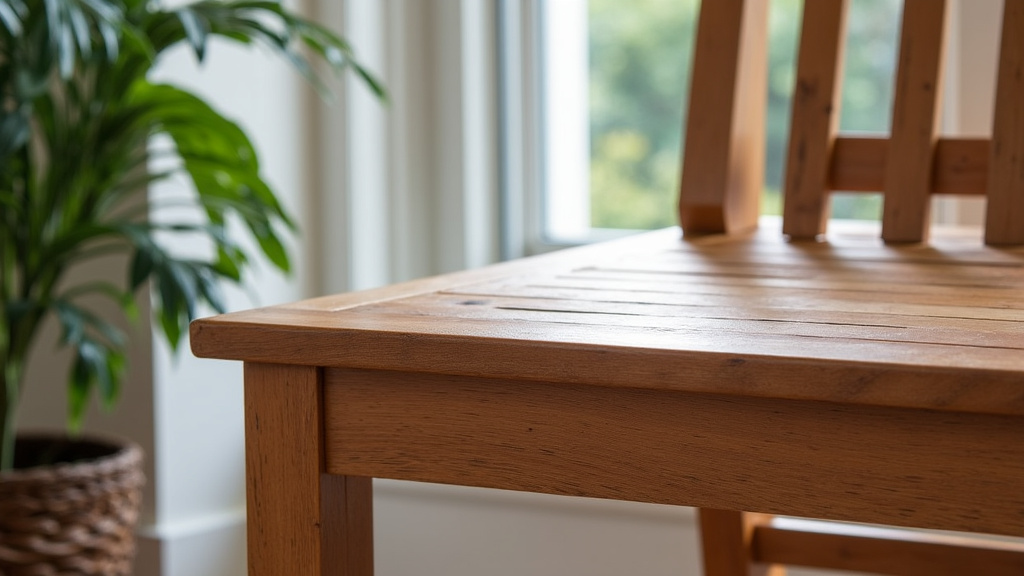
How to Properly Oil Your Teak Furniture: A Simple Checklist
Applying oil to your teak furniture is a straightforward process. Following these steps will ensure you get the best results and protect your investment. We’ve broken it down into a simple checklist.
Preparation Steps
Before you start oiling, you need to prepare the furniture. This ensures the oil can penetrate properly. A clean surface is essential for a good finish. You wouldn’t paint over dirt, and oiling is similar.
- Clean the furniture: Use mild soap and water. Gently scrub away dirt, mildew, and grime. Rinse thoroughly and let it dry completely. For stubborn stains, you might need a specialized teak cleaner. Many sources, like gardening sites, recommend this first step (National Gardening Association).
- Ensure it’s dry: This is very important. If you oil wet wood, the water can get trapped. This can lead to mold or mildew issues. Allow at least 24 hours of dry weather after cleaning.
- Light sanding (optional): If the wood is rough or has a slightly raised grain, a light sanding can help. Use fine-grit sandpaper (150-220 grit). This creates a smoother surface for the oil. Brush away any dust afterwards.
The Oiling Process
Once your furniture is clean and dry, you’re ready to oil. Apply the oil generously. Let it soak into the wood. Then, wipe away any excess.
| Step | Description |
|---|---|
| 1. Apply Oil | Pour some teak oil onto a clean, lint-free cloth. Apply it evenly to the surface of the teak. Work in sections. |
| 2. Let it Soak | Allow the oil to penetrate the wood for about 15-30 minutes. You’ll see it soaking in. This gives the wood time to absorb the oils. |
| 3. Wipe Off Excess | Use a clean cloth to wipe away any oil that hasn’t been absorbed. This prevents a sticky or gummy residue from forming. Make sure to get into crevices. |
| 4. Apply Second Coat (Optional) | For drier wood or extra protection, you can apply a second coat. Follow the same steps. Let it soak and then wipe off any excess. |
| 5. Allow to Cure | Let the furniture dry completely before using it. This can take several hours or even overnight, depending on the oil and humidity. |
Maintenance Tips
After oiling, a little ongoing care goes a long way. Simple tasks can help maintain the finish between oiling sessions. We found that regular wiping down is beneficial.
- Regular Cleaning: Wipe down your furniture with a damp cloth regularly. This removes dust and light debris.
- Protect from Extreme Weather: During harsh winters or prolonged periods of bad weather, consider covering your furniture. You can use furniture covers or store it indoors if possible. This reduces wear and tear.
- Check for Issues: Periodically inspect your furniture for any signs of damage, mold, or dryness. Addressing small issues early can prevent bigger problems.
By following these steps, you ensure your teak furniture remains beautiful and durable. You’re investing in its longevity and its appearance. It’s a rewarding process that pays off with years of enjoyment.
Conclusion
You’ve learned that oiling your teak furniture is a vital step for its longevity and beauty. Remember, consistency is your best friend here. Aim for once or twice a year, adjusting based on your local climate and sun exposure. By understanding teak’s natural needs and following a simple oiling process, you’re protecting your investment from drying out, cracking, and UV damage. This maintenance keeps that gorgeous, rich color vibrant. Ready to give your teak the care it deserves? Grab your teak oil and get started!
Frequently Asked Questions
What happens if I don’t oil my teak furniture?
If you skip oiling, your teak furniture will gradually dry out. This can lead to the wood becoming brittle, potentially causing cracks and a rough texture. It will also naturally weather to a silvery-gray color, which indicates a loss of its natural oils.
Can I use any type of oil on my teak furniture?
No, it’s best to use oils specifically designed for teak or outdoor wood furniture. General household oils might not penetrate properly or could leave a sticky residue. Look for marine-grade or commercial teak oils that contain UV inhibitors for the best protection.
How do I know if my teak furniture needs oiling?
You can tell your teak needs oiling if it starts to look dull or lighter in color. Another sign is if the wood feels dry or rough to the touch. If you notice water no longer beads up on the surface, it’s also a good indicator that the protective oil layer has diminished.
Is it okay to oil teak furniture in direct sunlight?
It’s generally better to avoid oiling teak furniture in direct, hot sunlight. The heat can cause the oil to dry too quickly before it has a chance to penetrate the wood properly. We found that applying oil on a cloudy day or in a shaded area yields the best results.
Will oiling my teak furniture make it sticky?
If you apply too much oil or don’t wipe off the excess properly, your teak furniture can become sticky or gummy. This is why the step of wiping off any unabsorbed oil with a clean cloth is so important. Allow ample drying time after oiling.
