
How to Measure for a Patio Furniture Cover?
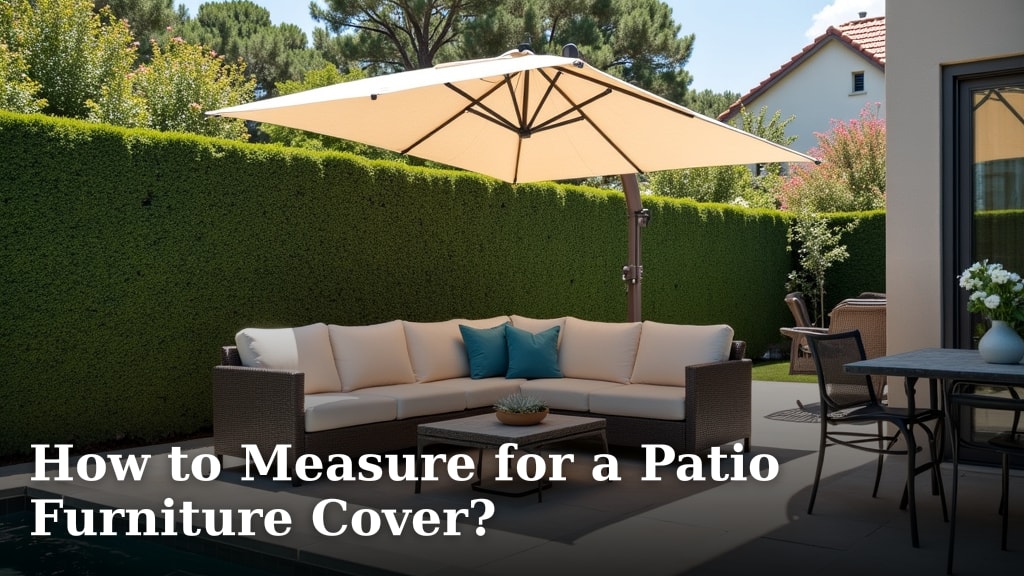
Measuring for a patio furniture cover is simpler than you might think. You need to measure the overall dimensions of your furniture: its width, depth, and height. This ensures you buy a cover that fits snugly and offers the best protection from the elements.
Getting the right size cover prevents water from pooling or wind from lifting it off. We found that a well-fitting cover significantly extends the life of your patio set. It’s a small step that makes a big difference in keeping your furniture looking great. It keeps out rain, snow, UV rays, and dust; a well-fitting cover is crucial for protection.
- Measure width, depth, and height first.
- Don’t forget to account for legs or bases.
- Consider extra inches for a looser fit if needed.
- Check manufacturer’s sizing charts carefully.
Ready to get those perfect measurements? Let’s walk through how to measure each piece of your patio furniture step by step.
Getting the Right Fit: Measuring Your Patio Furniture Covers
Buying the correct patio furniture cover is key to protecting your investment. A cover that’s too small won’t fit. A cover that’s too large can flap in the wind. This can cause damage or let moisture seep underneath. So, how do you measure to get it just right? It’s all about understanding the overall shape and maximum dimensions of each furniture piece.
Why Accurate Measurements Matter So Much
When you’re choosing a cover, thinking about a little extra room is often wise. Many manufacturers recommend adding a few inches to your measurements. This extra space helps ensure the cover isn’t too tight. It allows for easier installation and removal. Plus, it provides better airflow, which can reduce moisture buildup.
We found that a cover with a snug, but not tight, fit is ideal. This prevents wind from getting underneath and lifting the cover. It also helps water run off more easily. A well-fitting cover acts like a second skin for your furniture. It keeps out rain, snow, UV rays, and dust.
Measuring Your Patio Seating: Sofas, Chairs, and Loveseats
Let’s start with your main seating pieces. These are often the largest items you’ll need to cover. Grab your measuring tape and let’s get to it.
Measuring Patio Sofas and Loveseats
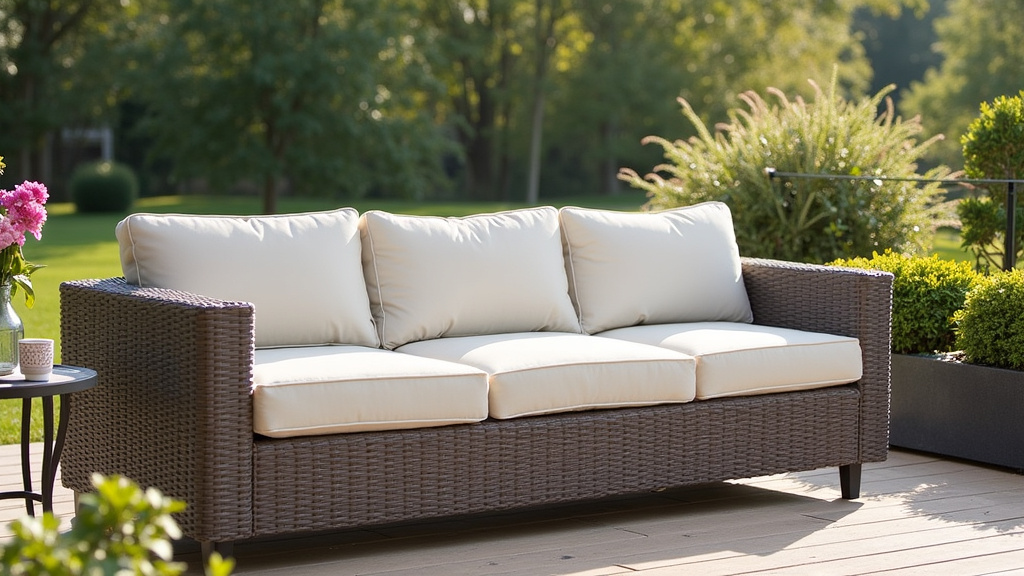
For sofas and loveseats, you need three key measurements. These represent the longest, widest, and tallest points of the furniture.
Width Measurement
First, measure the overall width. Start at the furthest left point of the sofa. Extend the tape measure straight across to the furthest right point. Make sure to include any armrests in this measurement. Don’t just measure the seating area itself. Get the complete outside-to-outside width.
Depth Measurement
Next, measure the overall depth. Begin at the very front of the furniture, usually the edge of the seat cushion. Extend the tape measure straight back to the furthest point. This is typically the back of the frame or the back cushions. Measure from the front of the armrest to the back of the frame.
Height Measurement
Finally, measure the overall height. Start at the ground. Extend the tape measure straight up to the highest point of the furniture. This is often the top of the back cushions or the very top of the frame. If your sofa has decorative finials or tall back legs, measure to the absolute highest point.
Measuring Individual Patio Chairs
Individual chairs follow the same principles as sofas. The goal is to capture the maximum footprint of the chair.
Chair Width
Measure the widest point of the chair. This is usually from one outer armrest to the other. Ensure you’re measuring the full width, including any parts that extend outwards.
Chair Depth
Measure the deepest point of the chair. Start at the very front of the seat. Extend the tape measure straight back to the furthest point of the frame. This often includes the back of the seat cushion or the rear legs.
Chair Height
Measure the tallest point of the chair. Start at the ground. Extend the tape measure straight up to the highest point of the chair. This might be the top of the backrest or any decorative elements. Always measure to the absolute peak.
Measuring Your Patio Tables: Dining, Coffee, and Side Tables
Patio tables come in various shapes and sizes. Measuring them correctly ensures they are fully protected.
Measuring Rectangular and Square Tables
For tables with straight sides, the measurements are straightforward.
Table Width and Length
Measure the width of the table from one side to the opposite side. For square tables, this will be the same as the length. For rectangular tables, measure the length from the remaining side to its opposite. Again, include any overhangs or decorative edges. You want the full external dimensions.
Table Height
Measure the height of the table. Start at the ground. Extend the tape measure straight up to the top surface of the table. For tables with umbrella holes, measure to the highest point of the table surface itself, not the top of the umbrella stand if it’s still attached.
Measuring Round Tables
Round tables require a slightly different approach for width.
Table Diameter
Measure the diameter of the round table. Place one end of the tape measure on one edge of the table. Stretch it across the center to the exact opposite edge. This gives you the full width of the table. For round tables, this single measurement often serves as both width and depth for cover sizing.
Table Height
Measure the height of the round table just as you would a rectangular one. Start at the ground. Extend the tape measure straight up to the tabletop. Ensure this measurement is accurate for selecting the right cover height.
Measuring Other Patio Furniture Pieces
Don’t forget about other items that might need protection. This includes loungers, ottomans, and fire pits.
Measuring Loungers and Chaise Lounges
These long pieces require careful measurement to ensure full coverage.
Lounger Length
Measure the entire length of the lounger. Start at the very head. Extend the tape measure all the way to the foot. This captures the longest dimension.
Lounger Width
Measure the widest point of the lounger. This is typically across the seat or armrests. Ensure you get the full width from side to side.
Lounger Height
Measure the maximum height. Start at the ground. Extend the tape measure straight up to the highest point. This might be the top of the backrest or any protruding parts.
Measuring Ottomans and Footrests
These smaller items are usually simpler but still need accurate sizing.
Ottoman Width and Depth
For square or rectangular ottomans, measure the width and depth across their widest points. For round ottomans, measure the diameter. This gives you the necessary base dimensions.
Ottoman Height
Measure the height from the ground to the top of the ottoman. This ensures the cover will extend down sufficiently.
Measuring Fire Pits and Grill Covers
Fire pits and grills also benefit greatly from covers to prevent rust and debris buildup. Many fire pits are round or square. Measure their diameter or width/length and height similarly to tables. For grills, measure the overall width (including side shelves), depth, and height. Many grill covers are designed with specific shapes in mind, so note any unusual features.
Quick Measurement Checklist for Your Patio Furniture
To make sure you don’t miss a step, here’s a handy checklist for your measuring mission:
- Gather Your Tools: Have a flexible measuring tape ready. A string can help with curved surfaces.
- Measure Furniture Width: Always measure the widest point from edge to edge.
- Measure Furniture Depth: Measure the deepest point from front to back.
- Measure Furniture Height: Measure from the ground to the highest point.
- Account for Protrusions: Include legs, bases, armrests, and decorative elements.
- Add Extra Inches: Consider adding 1-2 inches for a looser fit if recommended.
A Quick Comparison of Cover Fit Styles
When you’re looking at covers, you’ll see different fit descriptions. Understanding these helps match your measurements to the product.
| Cover Fit Style | Description | When to Choose |
|---|---|---|
| Snug Fit | Designed to closely match the furniture’s dimensions. Minimal excess fabric. | For furniture that sits relatively low and has a defined shape. Prevents wind uplift. |
| Loose Fit | Offers a few extra inches in width, depth, and height. More draping. | When furniture has irregular shapes or you want easier on/off. Good for cushions left on. |
| Universal Fit | Designed to fit a range of similar furniture types. May be larger. | When precise measurements aren’t available or for very basic furniture shapes. Always check dimensions listed. |
Always check the manufacturer’s sizing chart. This is usually found on the product page or the packaging. It will tell you what dimensions their covers are designed to fit.
What If Your Furniture is an Irregular Shape?
Some patio furniture has unique shapes that can be tricky. For example, sectional pieces or furniture with rounded arms. In these cases, we found it’s best to measure each section individually if they can be separated. Then, measure the combined footprint if you plan to keep them together. For truly unique shapes, like intricately carved bases, measure the absolute widest, deepest, and tallest points. Then, look for covers that offer a bit more flexibility or have adjustable straps.
Many experts suggest taking photos of your furniture from different angles with the tape measure visible. This can be very helpful when comparing options online. It allows you to visualize how a cover might drape over your specific item. Remember, the goal is to protect, so a little extra room is often better than too little.
Conclusion
You’ve now got the key to protecting your patio furniture investment: accurate measurements! Remember, it’s all about capturing the overall width, depth, and height of each piece. Don’t forget to factor in any protruding elements like legs or armrests. Taking these few minutes now ensures your covers fit perfectly, preventing wind damage and water pooling. This simple step will help your patio set stay looking its best for many seasons to come. Your next step is to grab that tape measure and get started!
Frequently Asked Questions
Do I need to measure my furniture with cushions on or off?
It’s generally best to measure your furniture with the cushions removed. This gives you the true dimensions of the furniture frame itself. If you plan to store cushions separately, this method ensures the cover fits the furniture snugly.
What if my furniture has wheels or casters?
When measuring the height, start from the ground and go up to the highest point of the furniture frame, excluding the wheels or casters. If your cover needs to go over the wheels, consider the height of the wheels in your final measurement, but most covers are designed to cover the base of the furniture, not necessarily the wheels themselves.
Should I add extra inches to my measurements for a looser fit?
Yes, it’s often recommended to add a few extra inches (usually 1-2 inches) to your measurements. This provides a little extra room for easier installation and removal, better airflow, and prevents the cover from being too tight, which can lead to tears or difficulty fitting.
How do I measure furniture that has an odd or irregular shape?
For irregularly shaped items, measure the absolute widest, deepest, and tallest points. If parts of the furniture are separate (like modular sectionals), measure each piece individually. You can also use string to measure curved edges, then lay the string flat to get a linear measurement.
What’s the difference between a “snug fit” and a “loose fit” cover?
A snug fit cover is designed to closely match your furniture’s exact dimensions, offering minimal excess fabric to prevent wind uplift. A loose fit cover includes extra inches, providing more draping and making it easier to put on and take off, especially useful if you’re leaving smaller cushions on.
