
Can You Use a Adirondack Chair in Winter?
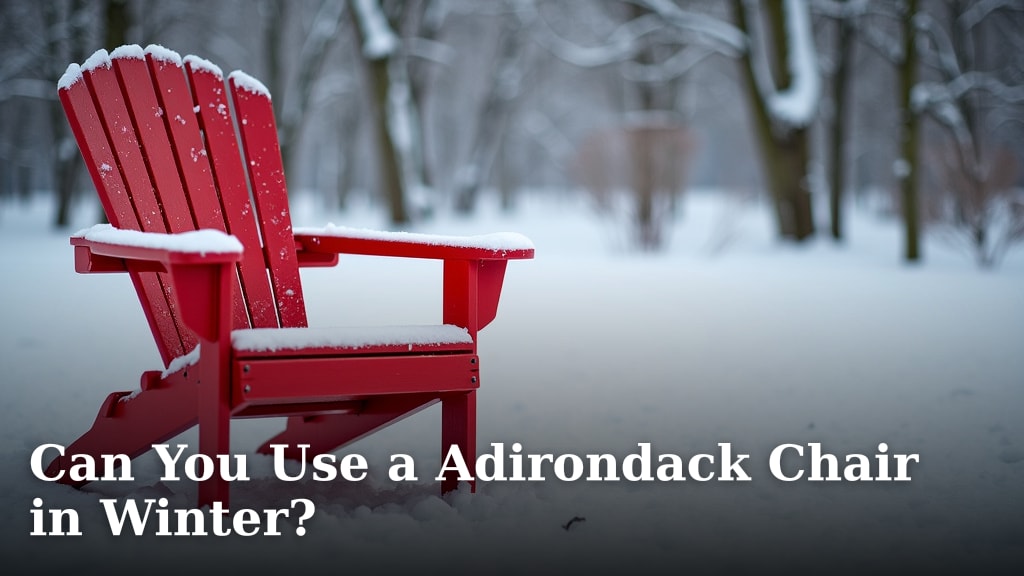
Yes, you can absolutely use an Adirondack chair in winter, but with a few key considerations. While they are built for the outdoors, extreme cold and harsh weather can impact their durability and comfort. Protecting your chair will help it last longer.
Many people love the look of their Adirondack chairs year-round. Leaving them out in the snow might seem like a simple choice. However, we found that certain materials can become brittle in freezing temperatures. Proper care ensures your chair remains a cozy spot, even when Jack Frost visits.
- You can use Adirondack chairs in winter.
- Consider the material for cold weather.
- Protection can extend the chair’s lifespan.
- Enjoying your chair outdoors in winter is possible with preparation.
Ready to learn how to keep your Adirondack chair cozy and safe through the cold months? Let’s break down what you need to know.
Enjoying Your Adirondack Chair Through the Seasons
Thinking about leaving your Adirondack chair out all year? It’s a common question for many chair owners. The good news is, yes, you can enjoy your Adirondack chair in winter. They are designed for outdoor use, after all. But “use” can mean different things. Are you planning on sitting in it by a crackling fire pit, or just letting it brave the elements? Both are possible, but preparation makes a big difference.
Many people love the iconic look of an Adirondack chair. It often becomes a beloved piece of outdoor decor, a familiar sight on a porch or patio. The idea of tucking it away for months might feel wrong. Fortunately, with a little care, your chair can remain a welcoming fixture, even when snow blankets your yard.
We understand you want your furniture to last. That’s why we’ve gathered information to help you make the best choices. Let’s look at what winter can do to your chair and how you can protect it.
Material Matters: How Winter Affects Your Chair’s Build
The material your Adirondack chair is made from plays a huge role. Think of it like your own clothing. A light sweater won’t do much against a blizzard. Certain materials are more sensitive to freezing temperatures and harsh weather than others. The material your Adirondack chair is made from plays a huge role in its winter durability; our guide on leaving patio furniture outside in winter discusses common materials.
Wood Chairs: The Natural Choice and Its Challenges
Wooden Adirondack chairs are beautiful and classic. They bring a natural warmth to any outdoor space. However, wood can be susceptible to winter’s embrace. When exposed to constant moisture and freezing temperatures, wood can undergo changes.
Moisture and Freezing
Water is wood’s enemy in winter. Rain, snow, and ice can seep into the wood’s pores. When this water freezes, it expands. This expansion can cause tiny cracks to form and existing ones to widen. Over time, this can lead to splintering and warping.
UV Rays and Fading
Even in winter, the sun’s ultraviolet (UV) rays are present. These rays can break down the wood’s natural lignin. This causes the wood to fade and become chalky. It might not be as obvious as summer sun, but it’s still happening.
Pests and Rot
Damp wood can also attract insects and foster rot. While many pests are less active in winter, the conditions can set the stage for their return. Rot can weaken the structural integrity of your chair, making it unsafe.
Plastic and Resin Chairs: Durability in Cold
Plastic and resin chairs are often seen as more low-maintenance. They don’t absorb water and are generally resistant to rot and pests. But how do they fare in the cold? Many modern plastics are engineered for outdoor resilience.
Brittleness in Low Temperatures
The main concern with plastic is its potential to become brittle in extreme cold. Some types of plastic can lose their flexibility when temperatures plummet. This makes them more prone to cracking if bumped or stressed.
UV Resistance
Look for chairs specifically advertised with UV-resistant properties. This is important year-round. Even in winter, prolonged exposure to sunlight can degrade certain plastics, causing them to fade or become brittle over time.
Metal Chairs: Strength with Caveats
Metal Adirondack chairs, often made from aluminum or wrought iron, are quite durable. They can withstand a lot of weather. However, there are a couple of things to watch out for.
Rust and Corrosion
Wrought iron, in particular, can rust if the protective coating is damaged. Aluminum is more resistant to corrosion but can still be affected by salt or harsh chemicals if you live in a coastal or treated area.
Temperature Transfer
Metal gets very cold in winter. Sitting on a freezing metal chair is, well, chilly! It’s not comfortable without adding layers of protection, like thick cushions.
Winterizing Your Adirondack Chair: Essential Steps
So, you’ve decided to keep your chair out. Smart move! A little effort now means enjoying it for years to come. Winterizing is all about protecting your investment from the harsh elements.
Cleaning Before Storage or Protection
Before you do anything else, give your chair a good cleaning. Think of it as tucking your chair into a clean bed. Remove any dirt, leaves, or grime that has accumulated. This prevents mold and mildew from taking hold.
- For wood chairs, use a mild soap and water. Rinse thoroughly and let it dry completely.
- Plastic and metal chairs can usually be wiped down with a damp cloth.
The Importance of Covers
Using a cover is one of the best ways to protect your chair. Think of it as a warm, waterproof blanket for your furniture. A good quality outdoor cover will shield your chair from snow, ice, rain, and damaging UV rays.
Choosing the Right Cover
Look for covers made from durable, waterproof, and breathable materials. Breathability is key to prevent moisture buildup, which can lead to mold and mildew, especially on wood.
Make sure the cover fits snugly. You don’t want wind catching it and tearing it off. Many covers have straps or drawstrings for a secure fit. Ensure it covers the entire chair.
Where to Store Your Chair (If Possible)
If you have the space, storing your chair indoors during winter is the ultimate protection. A garage, shed, or even a corner of your basement can make a world of difference.
Storing indoors protects it from extreme temperature fluctuations and moisture. It also keeps it out of the way, giving you more space on your patio or deck. If you choose to store it, make sure it’s clean and dry before putting it away. This prevents pests and mold from becoming an issue in storage.
Protective Coatings for Wood
For wooden Adirondack chairs, applying a fresh coat of sealant or paint before winter is a great idea. This acts as a barrier against moisture and UV rays.
Research the best type of finish for your wood. Some people prefer a natural look with a sealant, while others opt for paint for maximum protection and color. Ensure the finish is fully cured before exposing the chair to winter weather. Many wood finishing experts recommend resealing or repainting every 1-3 years, depending on the climate.
Can You Sit in It? Comfort in Winter Conditions
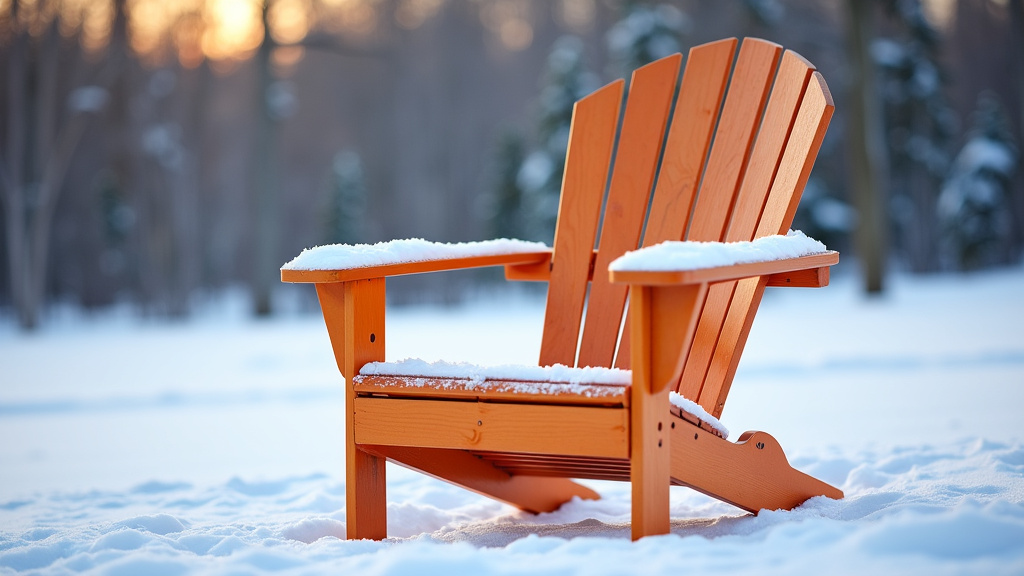
Beyond protecting the chair itself, you might be wondering if it’s actually enjoyable to *use* your Adirondack chair in winter. The answer is yes, with a few smart additions! You can absolutely enjoy your Adirondack chair through the winter months, and our guide on using outdoor sectionals in winter offers tips for preparing furniture for cold weather.
The Chill Factor: Staying Warm
Let’s be honest, sitting outside in winter can be cold. Your Adirondack chair might be sturdy, but it won’t magically generate heat. To make your winter seating experience comfortable, you’ll need some warmth.
Cushions and Throws
Invest in outdoor-rated cushions that can withstand the cold and moisture. Even better, have a cozy blanket or throw ready to wrap yourself in. Thick wool or fleece throws are excellent choices.
Heating Elements
For the truly dedicated, consider adding a small outdoor heater nearby. A portable fire pit or a patio heater can create a warm oasis. Always follow safety guidelines for any heating devices you use.
Strategic Placement for Winter Enjoyment
Where you place your chair can significantly impact your winter comfort. Think about what you want to see and how the elements might affect you.
Positioning your chair to block the prevailing wind can make a big difference. Facing a sunny spot, even in winter, can provide some natural warmth. If you have an outdoor fireplace or fire pit, placing your chair within its cozy radius is ideal for chilly evenings.
Material Comfort in Winter
Some materials are naturally more comfortable in cooler weather. For instance, wood can feel less cold to the touch than metal. If you plan on sitting in your chair often during colder months, consider how the material itself feels.
While plastic can get cold, a thick cushion can make it perfectly inviting. Ultimately, comfort is subjective and can be achieved with the right accessories.
| Material | Winter Prep Steps | Comfort Additions |
|---|---|---|
| Wood | Clean thoroughly, dry completely, apply sealant/paint, use breathable cover or store indoors. | Outdoor cushions, warm throws, strategic placement. |
| Plastic/Resin | Clean, check for cracks, use UV-resistant cover or store indoors. | Outdoor cushions, warm throws. |
| Metal | Clean, check for rust/damage, apply protective coating if needed, use cover or store indoors. | Thick outdoor cushions, warm throws, consider nearby heat source. |
Making Your Chair a Year-Round Fixture
Your Adirondack chair doesn’t have to hibernate. With the right approach, you can make it a welcoming spot through all four seasons.
Think about the aesthetic. Some people love the look of a snow-covered Adirondack chair. If that’s you, ensure it’s made of a weather-resistant material. Plastic or treated metal chairs often hold up better visually under snow than unsealed wood.
Consider how much you plan to use it. If it’s purely decorative, simple protection might suffice. If you want to sit in it, even occasionally, then comfort and added protection are essential.
We found that many owners enjoy their chairs right through the fall and into early spring. This transition period is when a well-prepared chair truly shines. It offers a quiet spot for reflection on a crisp morning or a cozy nook for a warm drink on a cool evening.
Your Adirondack chair is more than just furniture; it’s an invitation to relax outdoors. By understanding its needs during the winter months, you can ensure it remains a cherished part of your home, ready for you to enjoy whenever the mood strikes.
Conclusion
You can absolutely enjoy your Adirondack chair through the winter months. We found that protecting your chair is key to its longevity. By considering the material, cleaning it thoroughly, and using covers or indoor storage, you safeguard your investment. Even sitting in it is possible with the right cushions and throws. So, take these steps to ensure your chair remains a cozy, welcoming fixture in your yard all year long. Your next step? Decide on the best protection method for your specific chair and prepare it for the cold!
Frequently Asked Questions
How do I protect my wooden Adirondack chair from snow and ice?
For wooden chairs, applying a fresh coat of sealant or paint before winter is your best defense. This creates a barrier against moisture, which is crucial for preventing rot and splintering. If you can, using a breathable cover or storing it indoors offers the ultimate protection against the elements.
Can plastic Adirondack chairs crack in the cold?
Yes, some types of plastic can become brittle in extreme cold and may crack if bumped. To prevent this, look for chairs made from UV-resistant and cold-weather-tested plastic. Using a cover can also offer a layer of insulation and prevent direct impact from freezing elements.
Is it uncomfortable to sit in an Adirondack chair in winter?
Sitting directly on a cold chair can be uncomfortable, but it’s easily fixed. We recommend using thick, outdoor-rated cushions designed to withstand the cold. Adding a warm throw or blanket will make your winter seating experience much cozier.
Should I leave my Adirondack chair outside all winter?
You can leave it outside, but it’s best to prepare it first. Cleaning it, applying protective finishes (for wood), and using a good quality, weather-resistant cover will help it withstand winter conditions. For maximum longevity, storing it indoors in a garage or shed is the safest option.
What’s the best way to clean an Adirondack chair before winter?
Start by brushing off loose debris like leaves and dirt. For most materials, a mild soap and water solution works well, followed by a thorough rinse and complete drying. Ensure the chair is completely dry before covering it or storing it to prevent mold and mildew growth.
