
How to Clean a Outdoor Bench?
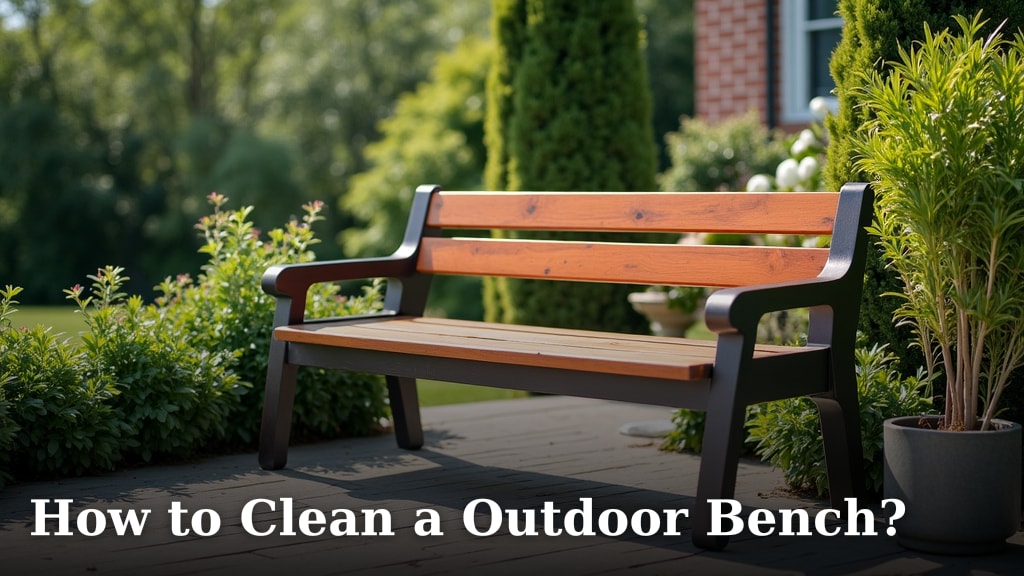
The easiest way to clean an outdoor bench is to hose it down and use a gentle soap and brush. This method works well for most bench materials, including wood, plastic, and metal. You can restore its look with simple household items. Many people find this process surprisingly quick and effective.
Keeping your outdoor bench clean protects it from the elements and prolongs its life. Dirt, mildew, and bird droppings can cause lasting damage if left untreated. A clean bench also makes your patio or garden area look much more inviting. It’s a small task with a big impact on your outdoor space.
- Hose down the bench first.
- Use mild soap and a soft brush.
- Rinse thoroughly.
- Let it air dry completely.
- Address stubborn stains with specific cleaners if needed.
Let’s walk through the simple steps to get your outdoor bench looking like new again.
Keeping Your Outdoor Bench Looking Its Best
Your outdoor bench is more than just a place to sit. It’s a spot for morning coffee, an evening chat, or just enjoying the fresh air. So, keeping it clean makes it a more enjoyable part of your home. Let’s get your bench looking spick and span. We’ll cover everything from a basic clean to tackling tougher spots.
Gathering Your Cleaning Supplies
Before you start, having the right tools makes the job much easier. You don’t need fancy cleaners. Most of what you’ll need is probably already in your home.
Essential Cleaning Tools
You’ll want a few key items. A garden hose is your best friend for rinsing. Next, grab a bucket for your cleaning solution. A soft-bristled brush or a sponge is perfect for scrubbing. For tougher jobs, you might need a scrub brush with slightly firmer bristles, but always test it on an inconspicuous spot first.
Don’t forget some old towels or a microfiber cloth for drying. If you’re dealing with wood, a soft cloth is best for applying protective finishes later.
Choosing Your Cleaning Solution
For most benches, a simple solution works wonders. A bit of mild dish soap mixed with warm water is usually enough. Just a tablespoon or two in a bucket of water should do the trick.
If you notice any mildew or stubborn dirt, you can step it up slightly. A solution of one part white vinegar to three parts water is a great natural cleaner. Many sources suggest vinegar’s acidity helps break down grime and kill mold spores (Environmental Protection Agency). Make sure to rinse very well after using vinegar.
Cleaning Different Bench Materials
The best way to clean your bench often depends on what it’s made of. Different materials need different care to avoid damage.
Wood Benches: Gentle Care for Natural Beauty
Wood benches are beautiful but can be sensitive. Start with your mild soap and water. A soft brush is perfect for cleaning between the slats.
If your wood bench has a finish, be gentle. Harsh scrubbing can remove the protective coating. For deeper cleaning, a specialized wood cleaner might be needed. Always follow the product’s instructions. After cleaning, rinse thoroughly with plain water.
Allowing wood to dry completely is key. Moisture can lead to rot or mold if trapped. You might even want to apply a wood sealer or stain once it’s dry, especially if it’s unfinished or the finish is worn. This protects it from sun and rain.
Plastic and Resin Benches: Easy Does It
Plastic and resin benches are usually the easiest to clean. They are non-porous and resist most stains.
Your hose and mild soap solution will work perfectly here. You can use a bit more elbow grease if needed. For very stubborn marks, like scuffs or paint transfer, a magic eraser sponge can sometimes work wonders. However, test this in a hidden spot first. Some magic erasers can be abrasive and dull the finish of some plastics.
Rinse well and let it air dry. These materials dry very quickly, which is a nice bonus.
Metal Benches: Rust and Shine
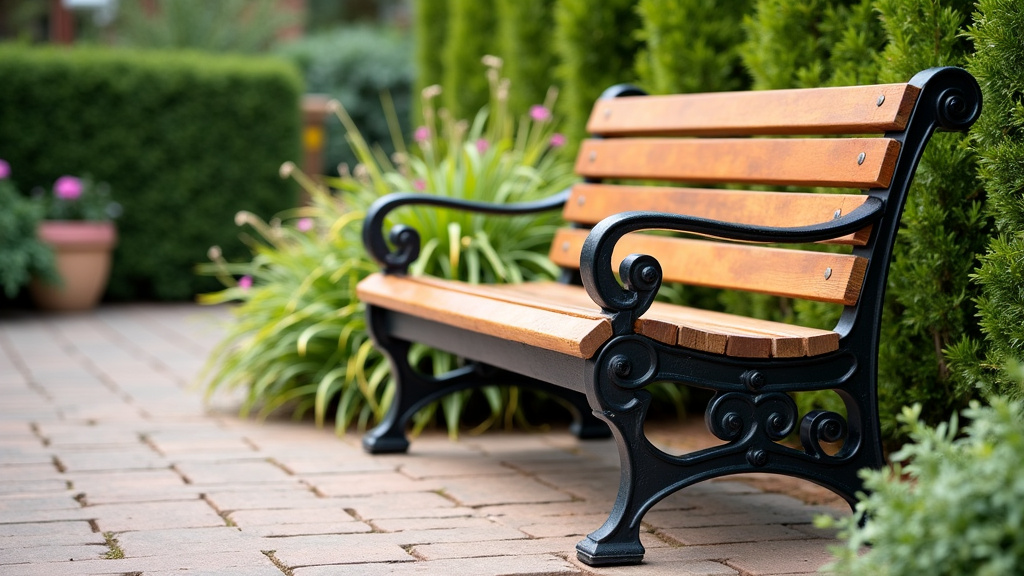
Metal benches, like wrought iron or aluminum, can be durable. The main enemy here is often rust.
For general cleaning, use soap and water. If you see rust spots, you’ll need to tackle them. For light rust, a bit of steel wool (grade #0000 is usually fine) can often remove it. Apply a bit of mineral oil to the steel wool to help. After removing the rust, wipe the area clean. You may need to touch up the paint or apply a rust inhibitor to prevent it from returning.
Aluminum benches are generally rust-resistant but can get oxidized or chalky. A good scrub with soap and water should do the trick. For tougher oxidation, a metal polish might be necessary.
Wicker and Rattan Benches: Getting into the Gaps
These benches often have a lot of texture and nooks. A soft brush is your best tool here.
A damp cloth or sponge with mild soap works well. You can use a toothbrush to get into the tightest weaves. Be sure not to oversaturate these materials, as excess moisture can weaken them over time.
For outdoor wicker, many are treated to be weather-resistant. A gentle cleaning is usually all that’s needed. If you find mildew, a diluted vinegar solution can help, but rinse and dry it thoroughly.
The Step-by-Step Cleaning Process
Now that you know what to use and for which material, let’s walk through the actual cleaning steps. It’s a simple routine that makes a big difference.
Step 1: Clear and Prepare
First, remove any cushions, plants, or decorations from the bench. This gives you clear access to the entire surface. If possible, move the bench to an area where water runoff won’t cause problems, like a lawn or a gravel path.
Step 2: The Initial Rinse
Use your garden hose to give the bench a good rinse. This washes away loose dirt, dust, and debris. It’s like giving your bench a pre-wash. This makes the scrubbing step much more effective. Get into all the crevices you can.
Step 3: Apply Cleaning Solution and Scrub
Dampen your brush or sponge with your chosen cleaning solution (mild soap and water or the vinegar mix). Start scrubbing the bench. Work in sections, applying gentle pressure. For wood, scrub with the grain. Pay attention to any dirty areas, like bird droppings or mildew spots.
Don’t scrub too hard, especially on wood or painted surfaces. You don’t want to damage the material. Remember that patience here means a better-looking bench later.
Step 4: Rinse Thoroughly
This is a crucial step. Use your hose to rinse off all the soap or cleaning solution. Make sure no residue is left behind. Soap can make surfaces slippery and attract dirt faster. For vinegar solutions, rinsing well is important to remove the smell.
Ensure you rinse every nook and cranny. Look for suds that might be hiding in joints or under the seat. A good rinse ensures a clean finish and prevents potential damage.
Step 5: Dry the Bench
Allow the bench to air dry completely. This might take a few hours, depending on the weather. You can speed up the process by wiping it down with a dry towel or microfiber cloth. Pay special attention to any wooden parts to prevent water from soaking in.
Ensuring the bench is fully dry is important, especially before applying any protective finishes to wood or metal. Trapped moisture can cause issues down the line.
Tackling Stubborn Stains and Issues
Sometimes, a basic clean isn’t quite enough. You might have some tough spots or recurring problems.
Dealing with Mold and Mildew
Mold and mildew love damp, shady spots. If you see black or greenish patches, it’s time to get serious.
A solution of 1 part bleach to 10 parts water can be effective for stubborn mold. However, bleach can damage some materials and finishes. Always test it in a hidden area first. Apply the solution with a sponge or cloth, let it sit for a few minutes, then scrub gently. Rinse very, very thoroughly. Many guidelines recommend good ventilation when using bleach (Centers for Disease Control and Prevention).
The diluted vinegar solution (1 part vinegar to 3 parts water) is a gentler option that often works well too. It kills mold spores without being as harsh as bleach.
Removing Grease and Oil Stains
Grease stains can be tricky. For wood, you can try making a paste of baking soda and water. Apply it to the stain, let it dry, then brush it off. This can help lift the oil. For other materials, a good degreasing dish soap might be needed.
Addressing Paint or Scuff Marks
On plastic or metal, a non-abrasive cleaner or even a bit of rubbing alcohol on a cloth can often remove scuff marks. For wood, very fine-grit sandpaper might be needed for tough marks, but this requires refinishing the area afterward.
Protecting Your Bench for Longevity
A clean bench is great, but a protected bench lasts longer. Think of it as giving your bench a shield.
Wood Protection
For wood benches, consider applying a sealant, stain, or paint. This protects against UV rays and moisture. Reapply as needed, usually every year or two. Many experts suggest this adds years to the life of outdoor wood furniture (U.S. Forest Products Laboratory).
Metal Protection
For metal, a coat of clear sealant or a fresh coat of paint can prevent rust and corrosion. Ensure the metal is completely dry and free of rust before applying.
Plastic and Resin Care
While durable, UV rays can make plastic brittle over time. Using a protectant spray designed for outdoor plastics can help maintain flexibility and color.
Quick Bench Cleaning Checklist
Here’s a quick reminder of the essential steps to keep your bench looking its best:
- Clear bench of all items.
- Rinse thoroughly with a hose.
- Scrub with mild soap and water.
- Rinse all residue away.
- Allow to air dry completely.
- Apply protective finish if needed.
Conclusion
You’ve learned how simple it is to keep your outdoor bench looking its best. From a quick hose-down to tackling stubborn stains, the process is straightforward. Remember that different materials need slightly different care. By using mild soap and water, or a gentle vinegar solution, you can refresh most benches effectively. Don’t forget to let your bench dry completely before use or protective treatments. Take a few moments this week to give your bench the cleaning it deserves, and you’ll enjoy your outdoor space even more!
Frequently Asked Questions
How often should I clean my outdoor bench?
You should aim to clean your outdoor bench at least twice a year, ideally in the spring and fall. More frequent cleanings might be necessary if your bench is in a high-traffic area or exposed to harsh weather conditions like heavy rain or excessive sun.
Can I use a pressure washer on my outdoor bench?
Generally, it’s best to avoid pressure washers on most outdoor bench materials. High pressure can damage wood finishes, force water into seams, and even etch plastic or metal. A garden hose and a soft brush are usually sufficient and much safer.
What’s the best way to remove moss or algae?
For moss and algae, a diluted vinegar solution (one part vinegar to three parts water) can be effective and is gentler than bleach. Apply it with a brush, let it sit for a few minutes, scrub gently, and then rinse thoroughly with plain water.
Will cleaning remove the stain or finish from my wooden bench?
Mild soap and water are usually safe for wooden benches with existing finishes. However, aggressive scrubbing or harsh cleaners can remove protective coatings. Always test any cleaning solution in an inconspicuous spot first, and consider reapplying a sealant or stain after cleaning if needed.
How do I prevent my metal bench from rusting?
Keep your metal bench clean and dry to prevent rust. After cleaning, ensure it’s completely dry. For iron or steel benches, applying a coat of rust-inhibiting primer and then a suitable outdoor paint can provide excellent protection against the elements.
