
Is a Patio Heater Worth It in Winter?
Making the Most of Your Outdoor Space in Winter
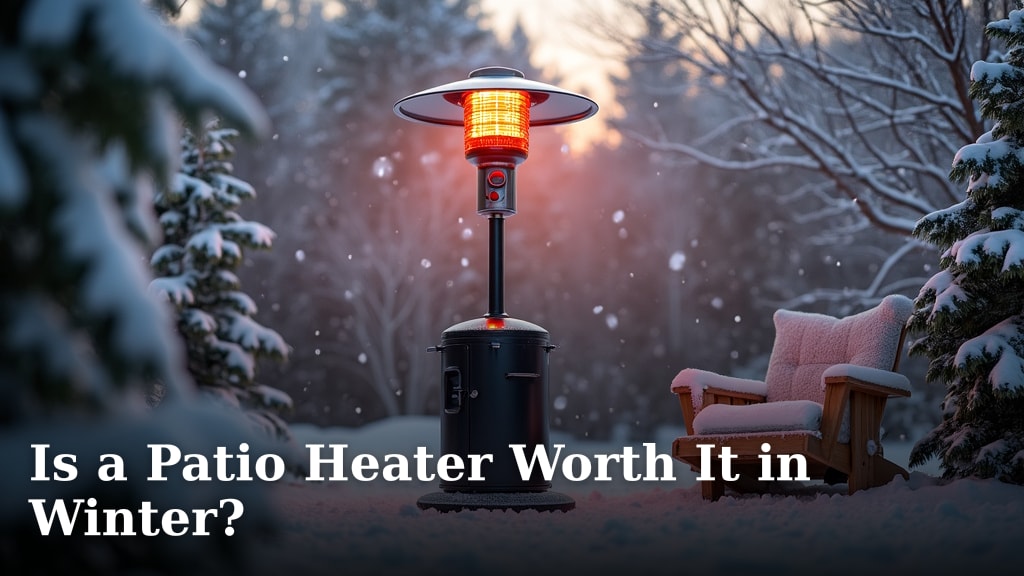
You’re probably wondering if adding a patio heater to your outdoor setup is a smart move for those colder months. The short answer is yes, it absolutely is if you want to extend your outdoor enjoyment. We found that a good patio heater can transform a chilly, unused patio into a cozy gathering spot. It’s about more than just warmth; it’s about creating an inviting atmosphere that keeps your outdoor fun going, even when the thermometer drops.
Understanding How Patio Heaters Work
So, how do these magical warmth-givers actually function? Patio heaters primarily use
Radiant Heat vs. Convection Heat
This distinction is key for outdoor comfort.
The Benefits of Owning a Patio Heater
Beyond just warmth, what else does a patio heater bring to the table? We found several compelling reasons why homeowners love having one.
Extended Outdoor Living Season: This is perhaps the biggest draw. A patio heater lets you use your patio, deck, or outdoor dining area
well into fall and even winter , depending on your climate. No more packing away the patio furniture after Labor Day.Enhanced Comfort for Guests: Hosting outdoors becomes much more appealing when you can guarantee warmth. Your guests will appreciate being able to
stay comfortable without bundling up in multiple layers.Increased Property Value & Appeal: A well-appointed outdoor space, complete with heating, can
add to your home’s attractiveness . It signals a thoughtful and functional outdoor living area, which many buyers appreciate.Versatile Entertainment Options: From casual family dinners to festive holiday gatherings, a warm patio
opens up new possibilities for entertaining. You can enjoy stargazing, cozy conversations, or even an outdoor movie night.Better Air Quality Than Indoors: Sometimes, a breath of fresh air is all you need. Rather than being cooped up inside, a patio heater allows you to
enjoy the outdoors comfortably even when it’s chilly.
Factors to Consider Before Buying
Before you jump in and buy the first patio heater you see, there are a few important things to think about. Your specific needs will help you choose the best type of heater for your home.
Your Local Climate and Average Winter Temperatures
Where do you live? This is a crucial question. If your winters are mild with occasional chilly evenings, many standard heaters will do the trick. However, if you experience
Size and Layout of Your Patio or Outdoor Space
Is your patio a sprawling deck or a cozy balcony? The size of your outdoor area directly influences the
Fuel Types and Their Running Costs
This is where things can get a bit technical, but it’s important for your wallet. Patio heaters typically run on propane, natural gas, or electricity. Each has its
| Fuel Type | Pros | Cons | Typical Running Cost (Hourly) |
|---|---|---|---|
| Propane | Portable, easy setup, no installation | Requires tank refills, tanks can be heavy | $1.50 – $3.00 |
| Natural Gas | Consistent heat, never runs out, lower cost per hour | Requires professional line installation, not portable | $0.50 – $1.00 |
| Electric | Quiet, no emissions, easy to turn on/off | Requires outdoor outlet, less powerful than gas, higher cost | $0.25 – $0.75 |
We found that while electric heaters can have a lower hourly cost, they often provide less heat than gas options for the same coverage area. Natural gas is usually the cheapest to run over time if you have a line available.
Safety Features and Certifications
Your safety is paramount. Always look for heaters with important safety features. Many experts emphasize the importance of
Types of Patio Heaters Available
With so many options on the market, it can feel a bit overwhelming. But understanding the main types can simplify your decision.
Propane Patio Heaters: These are the most common type you see. They’re
portable and powerful , typically using a 20-pound propane tank hidden in their base. Great for flexibility.Natural Gas Patio Heaters: If you have a natural gas line on your patio, these are a
convenient and cost-effective choice for fixed heating. They offer endless heat without tank refills.Electric Patio Heaters: These are generally
smaller, quieter, and don’t produce emissions . They can be freestanding, tabletop, or mounted on a wall or ceiling. Great for enclosed patios or smaller spaces.Fire Pits & Outdoor Fireplaces: While not strictly “heaters,” these offer
ambiance and warmth . They’re fantastic for gathering around but less efficient for heating a broad area evenly. We found fire pits are more about the experience than broad heating.
Making Your Patio Heater Worth Every Penny: A Checklist
To truly get the most value out of your patio heater this winter, follow these simple steps:
Choose the Right Size and Power: Ensure the heater’s heat output (BTU/wattage) matches your patio size. Don’t undersize it!
Strategic Placement: Position heaters where people will be sitting or standing. Avoid placing them too far from your seating areas.
Consider Wind Breaks: Even radiant heat can be less effective in strong winds. Add screens or plants for wind protection.
Use Covers When Not in Use: Protect your investment from rain, snow, and dust with a good quality cover.
Perform Regular Maintenance: Clean burners, check connections, and ensure tanks are filled (for propane) or lines are clear (for natural gas).
Conclusion
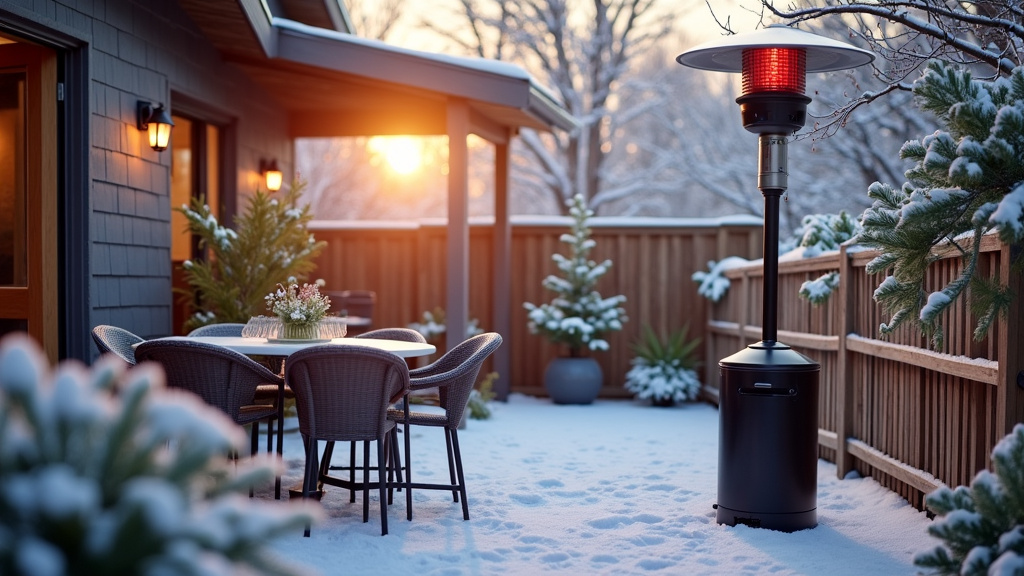
So, is a patio heater worth it in winter? Absolutely, if you want to reclaim your outdoor space. We found that choosing the right heater transforms chilly evenings into cozy gatherings. Consider your climate, patio size, and fuel preference carefully. By prioritizing safety and strategic placement, you’ll extend your enjoyment of the fresh air all season long. Go ahead, make your patio a year-round haven!
Frequently Asked Questions
How much does it cost to run a patio heater for an entire winter season?
The total cost depends on your heater’s fuel type, how often you use it, and local utility prices. Propane models require tank refills, while electric units add to your power bill. Natural gas is generally the most cost-effective over a full winter.
Can I leave my patio heater outside in the snow or rain?
While many outdoor heaters are built to withstand some weather, we recommend using a weather-resistant cover when not in use. This protects components from moisture and extends your heater’s lifespan. Always store propane tanks in a safe, upright position.
Are electric patio heaters effective in very cold temperatures?
Electric patio heaters work best in less extreme cold or in more enclosed outdoor spaces. They provide direct, radiant heat. For very cold climates or large, open patios, gas heaters typically offer more powerful warmth and a larger heating radius.
What is the best way to clean and maintain my patio heater?
Regular maintenance ensures optimal performance and safety. For gas heaters, periodically check hoses and connections for leaks. For all types, keep the burner and heating elements free of debris and dust. Always consult your owner’s manual for specific cleaning instructions.
Will a patio heater dry out my skin or cause discomfort?
Unlike some indoor heaters that dry the air, patio heaters use radiant heat, which warms objects and people directly. You shouldn’t experience significant skin dryness from a patio heater. Always maintain a safe distance from the heat source for comfort and safety.
