
How to Remove Mildew from Patio Furniture?
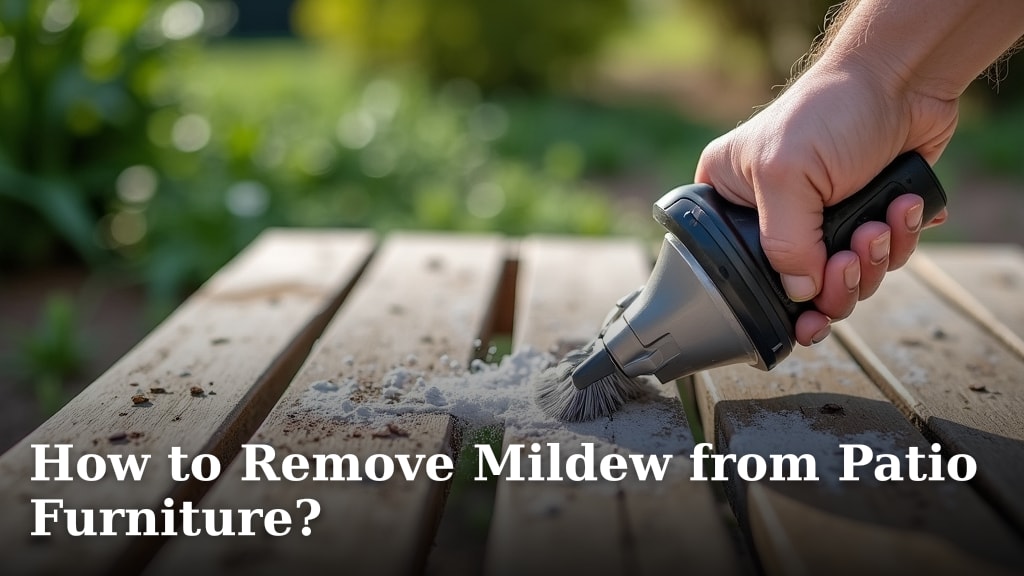
The easiest way to remove mildew from patio furniture is to use a simple mixture of warm water, mild dish soap, and white vinegar. This combination effectively breaks down mildew without harsh chemicals. You can restore your outdoor living space quickly.
Nobody likes seeing unsightly mildew on their patio furniture. It’s a common problem, especially in humid areas, and can make your beautiful outdoor space look neglected. Thankfully, you don’t need expensive cleaners to get rid of it. We found that common household items work best for a safe and effective clean.
TL;DR:
- Gather your supplies: warm water, dish soap, white vinegar, and a scrub brush.
- Mix a cleaning solution.
- Apply the solution to the mildewed areas.
- Scrub thoroughly and rinse well.
- Let your furniture dry in the sun.
Ready to make your patio furniture sparkle again? Let’s walk through exactly how to remove mildew from patio furniture, step by step.
Getting Started: Your Mildew-Fighting Toolkit
Before you tackle that stubborn mildew, let’s gather your arsenal. Having everything ready makes the cleaning process much smoother. You won’t be running back and forth. We found that a few simple household items are all you really need.
The Essential Supplies You’ll Need
Think of this as your mission briefing. These are the tools you’ll use for a safe and effective clean.
- Warm water: The base for your cleaning solution.
- Mild dish soap: Look for a gentle, all-purpose liquid soap.
- White vinegar: A natural mildew killer and odor neutralizer.
- Stiff-bristled scrub brush: Essential for dislodging tough mildew.
- Soft cloths or sponges: For wiping and rinsing.
- Bucket or spray bottle: To mix and apply your solution.
- Garden hose or rinse bucket: For thorough rinsing.
- Rubber gloves: To protect your hands.
- Safety glasses (optional but recommended): Protect your eyes from splashes.
Prepping Your Patio Furniture for Cleaning
A little preparation goes a long way. This step ensures you get the best results. You want to give your cleaning solution direct access to the mildew.
- Clear the area: Move furniture away from other items. This prevents accidental splashes.
- Remove cushions and decorative items: These usually require separate cleaning. We’ll touch on cushion care later.
- Brush off loose debris: Use a dry brush to remove dirt, leaves, or cobwebs. This prevents mud when wet.
Crafting Your Homemade Mildew Remover
You don’t need harsh chemicals to banish mildew. A simple, homemade solution works wonders. We found this method to be incredibly effective and safe. It’s also much more budget-friendly.
The Power of Vinegar and Soap
Why this combination? White vinegar is a natural acid. It breaks down mildew and kills spores. Mild dish soap helps lift grime and allows the vinegar to penetrate. Together, they form a powerful team.
Mixing Your Cleaning Solution
This is where the magic happens. The ratio is important for effectiveness. Too weak, and it won’t work. Too strong, and it’s unnecessary.
In your bucket or spray bottle, combine:
- 1 part white vinegar
- 2 parts warm water
- A few drops of mild dish soap
For example, if you use 1 cup of vinegar, add 2 cups of warm water. Then, add a squirt or two of dish soap. Gently stir or shake to mix. You want bubbles, but not an excessive amount. This mixture is surprisingly potent (CDC advises vinegar for some cleaning tasks).
Why Avoid Bleach on Most Patio Furniture?
You might think of bleach for mold and mildew. However, for most patio furniture, we recommend caution. Bleach can cause discoloration. It can also weaken certain materials, like plastics or fabrics. It’s a harsh chemical that isn’t always necessary. We found better, gentler options.
Furthermore, bleach fumes can be strong. Good ventilation is always needed when using bleach. Our vinegar solution is much milder and safer for you and your furniture.
The Step-by-Step Cleaning Process
Now that you have your supplies and solution, it’s time to get cleaning. Follow these steps for the best results. You’ll be amazed at the transformation.
Applying the Solution to Mildewed Areas
Don’t be shy. Get that solution onto the mildew. You want it to soak in and start working.
- Spray or apply: Generously spray the solution onto the mildewed furniture. If using a bucket, use a sponge to wipe it on.
- Let it sit: Allow the solution to dwell for 10-15 minutes. This gives the vinegar time to break down the mildew. For very stubborn spots, you might extend this to 20 minutes.
Scrubbing Away the Mildew
This is where your elbow grease comes in. The scrub brush is your best friend here. Focus on the areas with visible mildew growth.
- Use your scrub brush: Firmly scrub the mildewed surfaces. You should see the mildew start to lift away.
- Work in small sections: This ensures thorough cleaning. Don’t try to do the whole piece at once.
- Reapply if needed: If the mildew is really tough, spray more solution. Let it sit again, then continue scrubbing.
- Gentle for delicate surfaces: For wicker or painted furniture, use a softer brush. Always test a small, inconspicuous area first. We found this prevents accidental damage.
Rinsing and Drying for a Clean Finish
Rinsing is crucial. You want to remove all traces of mildew and cleaning solution. Proper drying prevents re-growth.
- Rinse thoroughly: Use a garden hose to rinse the furniture. Make sure all soap residue is gone. High pressure isn’t usually needed.
- Check for remaining mildew: Inspect the furniture closely. Did you miss any spots? If so, repeat the cleaning process.
- Air dry in the sun: Sunshine is a natural disinfectant. It helps kill any remaining spores. Position your furniture in a sunny spot.
- Wipe down if necessary: For quick drying, you can use a clean, dry cloth to wipe off excess water.
Tackling Different Furniture Materials
While the general method works, different materials need slightly different approaches. You want to protect your investment. We’ve compiled specific tips for common patio furniture types.
Plastic and Resin Furniture
These are often the easiest to clean. They are generally non-porous. The vinegar solution works exceptionally well.
Apply the solution directly. Scrub with a stiff brush. Rinse thoroughly. It’s usually that simple. For deep stains, a paste of baking soda and water can be gently scrubbed on. We found this to be a great booster.
Wicker and Rattan Furniture
Wicker requires a gentler touch. The woven texture can trap mildew. Avoid overly stiff brushes here.
Use a soft-bristled brush or an old toothbrush for crevices. Don’t oversaturate the material. Rinse carefully with a hose, avoiding high pressure. Ensure it dries completely in the sun to prevent warping (NIH advises proper drying for all materials).
Metal Furniture (Aluminum, Wrought Iron)
Metal furniture can also develop mildew, especially in crevices. Rust can be a concern with some metals. Aluminum is less prone to rust.
Clean with your vinegar solution and a soft brush. For wrought iron, check for rust. If rust is present, address that separately after mildew removal. Ensure thorough drying to prevent rust formation.
Wood Furniture (Teak, Cedar, etc.)
Wood is porous and can be a mildew magnet. Always test your solution in an inconspicuous area first. Some woods may react differently.
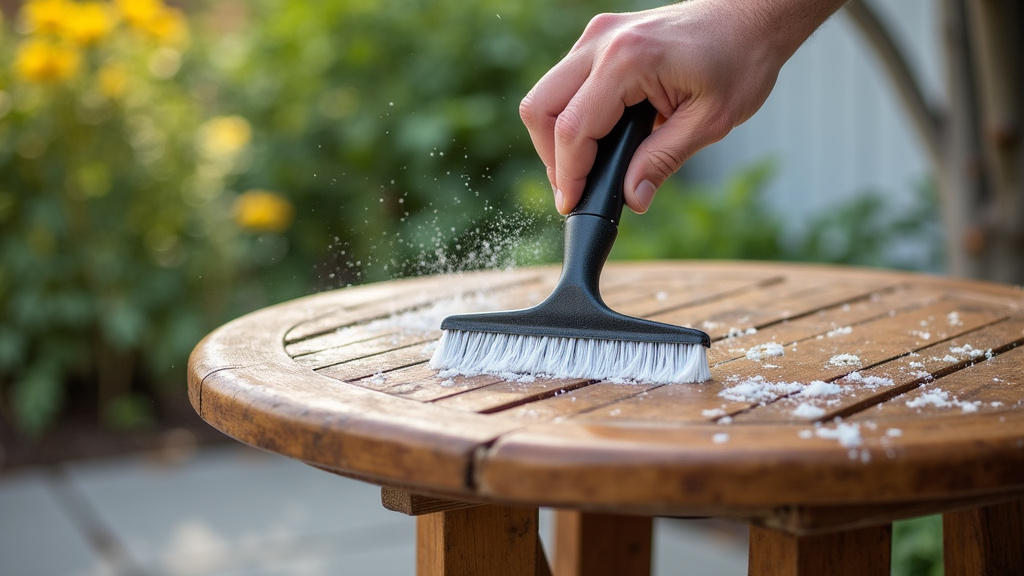
Use a soft-bristled brush or sponge. Scrub gently along the grain of the wood. Rinse quickly and thoroughly. Allow to dry completely. You might consider re-oiling or sealing wood furniture after cleaning. This protects it from future mildew growth.
| Material Type | Cleaning Considerations | Drying Tips |
|---|---|---|
| Plastic/Resin | Stiff brush OK, baking soda for tough stains. | Air dry, can wipe for speed. |
| Wicker/Rattan | Soft brush, toothbrush for crevices, avoid oversaturation. | Thoroughly dry in sun to prevent warping. |
| Metal | Soft brush, check for rust, avoid abrasive pads. | Ensure complete drying to prevent rust. |
| Wood | Test area first, soft brush, scrub with grain. | Dry completely, consider re-sealing/oiling. |
What About Mildewed Patio Cushions and Fabric?
Cushions and fabric are a different beast. Mildew loves to grow in damp fabric. Don’t put them back on clean furniture if they’re still mildewy. You’ll just spread the problem again.
For most outdoor fabrics, a similar vinegar and soap solution can work. However, always check the care label first. Some fabrics are machine washable. For others, spot cleaning is best. A stiff brush is usually too harsh for fabric. Use a soft brush or sponge instead. Rinse thoroughly and allow to air dry completely in the sun.
Your Mildew Removal Checklist
Use this quick list to make sure you’ve covered all your bases for a sparkling clean patio. It’s a handy reminder for you.
- Gathered all necessary cleaning supplies?
- Prepared furniture by moving and brushing off debris?
- Mixed your vinegar, water, and soap solution correctly?
- Applied solution generously and let it dwell?
- Scrubbed thoroughly with the appropriate brush?
- Rinsed all furniture pieces completely?
- Allowed everything to air dry fully in the sun?
Conclusion
You now have all the tools to banish mildew and restore your patio furniture’s beauty. Remember, a simple mix of vinegar, water, and dish soap is incredibly effective. It’s safe for most materials and much gentler than harsh chemicals. By following these steps and giving your furniture the right care, you can enjoy a clean, inviting outdoor space. Don’t let mildew detract from your relaxation; take action today and reclaim your patio oasis!
Frequently Asked Questions
How often should I clean my patio furniture to prevent mildew?
We found that cleaning your patio furniture every few months, or at least once per season, helps prevent mildew buildup. In humid climates, you might need to clean more frequently. Regular spot cleaning when you see early signs can also keep it at bay.
Can I use this cleaning solution on all types of outdoor fabrics, including umbrellas?
Yes, our vinegar and soap solution is generally safe for most outdoor fabrics, including umbrella canopies. Always test a small, inconspicuous area first to ensure no discoloration. Rinse thoroughly and allow to air dry completely to avoid water spots or new mildew growth.
What’s the best way to store patio furniture to avoid mildew?
Proper storage is key. Always clean and thoroughly dry your furniture before storing it. Use breathable covers rather than airtight plastic, which can trap moisture. Storing furniture in a dry, well-ventilated area like a garage or shed will significantly reduce mildew risk.
Will vinegar harm plants or my lawn if it drips during cleaning?
While diluted vinegar is generally safe, it’s best to rinse your furniture away from delicate plants or directly over your lawn. A concentrated exposure could temporarily affect plant health. For added precaution, you can place a tarp underneath your furniture during cleaning.
My mildew stains are really stubborn. What else can I try?
For very stubborn mildew, you can try making a paste with baking soda and a small amount of your vinegar solution. Apply it to the stain, let it sit for 30 minutes, then scrub gently. This provides extra abrasive power. Always rinse very thoroughly afterward.
