
How to Remove Mold from Outdoor Cushions?
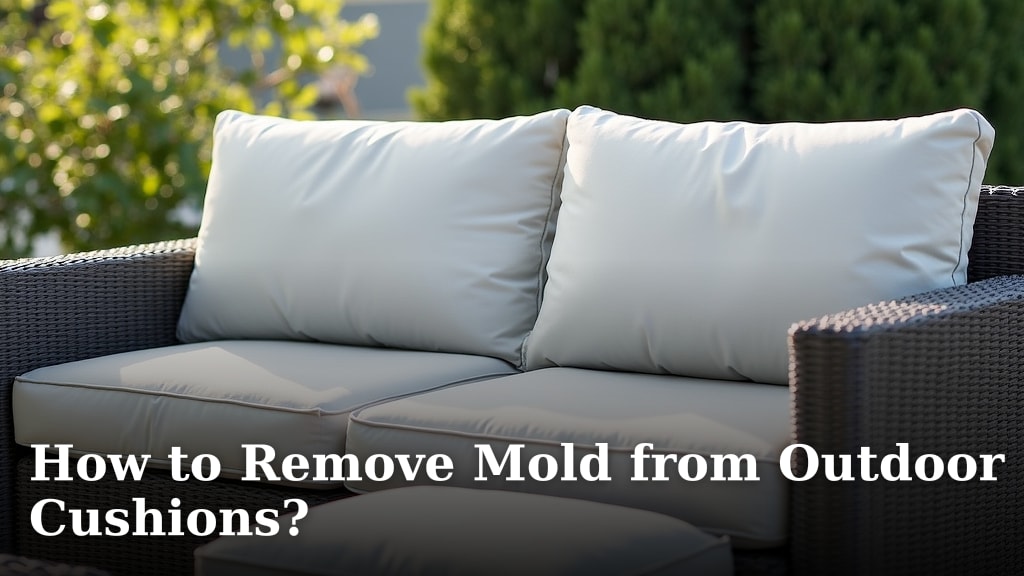
The easiest way to remove mold from outdoor cushions is by using a simple cleaning solution of distilled white vinegar and water, or a specialized fabric cleaner. You can effectively restore your cushions and make them look new again. This method tackles mold growth without damaging your outdoor fabric.
Nobody wants moldy cushions greeting them on the patio. It’s unsightly, can smell bad, and might even be a health concern. We found that regular cleaning and proper storage are key to preventing mold. But if you already have mold, don’t worry, it’s surprisingly easy to fix.
- Use a vinegar-based solution for tough mold.
- Alternatively, try commercial fabric cleaners.
- Always test cleaners on a small, hidden spot first.
- Rinse thoroughly and allow cushions to dry completely.
- Learn tips to prevent mold from returning.
Let’s walk through exactly how to remove mold from outdoor cushions, step by step, so you can enjoy your clean outdoor space.
Cleaning Mold from Outdoor Cushions
You can get rid of mold on your outdoor cushions. It takes a little effort, but the results are worth it. We found that the right tools make the job much easier.
Gather Your Cleaning Supplies
Before you begin, gather everything you’ll need. This saves you time and trips back and forth. Having your supplies ready helps the cleaning process go smoothly.
- Stiff brush or scrub brush (not wire)
- Bucket
- Garden hose with a spray nozzle
- Distilled white vinegar
- Dish soap (mild, like Dawn)
- Optional: Oxygen bleach or commercial fabric cleaner
- Clean towels or old rags
- Rubber gloves
- Safety goggles
Prepare Your Work Area
Choose a good spot to clean your cushions. A concrete patio or driveway works well. You want an area that can get wet and is easy to rinse. We found that a sunny day is best for drying.
Lay down a tarp or old sheets if you’re worried about staining your surface. Keep your pets away from the cleaning area. Some cleaners can be harmful to them.
Step-by-Step Mold Removal Process
Let’s get down to business. Following these steps will help you tackle that mold. You’ll be surprised how quickly your cushions can look fresh again.
Initial Brush-Off and Pre-Rinse
Start by getting rid of loose mold and debris. This first step is important for effective cleaning. Don’t skip it!
- Put on your rubber gloves and safety goggles.
- Take your cushions outside.
- Use a stiff brush to gently brush off any dry, loose mold. Do this away from your face.
- Rinse the cushions thoroughly with a garden hose. This helps remove surface dirt.
- Pay attention to any visible mold patches during the rinse.
You’re not trying to remove all the mold yet. You’re just preparing the surface. This makes the cleaning solution more effective.
Choosing Your Cleaning Solution
There are a few options for your cleaning solution. We recommend starting with the gentlest method first. You can always move to stronger solutions if needed.
Vinegar and Dish Soap Solution (Recommended)
This is often the most effective and safest method. Vinegar is a natural mold killer (CDC). It won’t typically harm your fabric.
- Mix one part distilled white vinegar with one part warm water in your bucket.
- Add a few drops of mild dish soap. This helps break down oils and stains.
- Stir the mixture gently.
You’ve just made a powerful, yet gentle, cleaner. This solution is usually all you need for most mold problems.
Oxygen Bleach Solution (For Tough Stains)
If vinegar doesn’t quite do the trick, oxygen bleach is a good next step. It’s gentler than chlorine bleach. It’s safe for most colored fabrics.
- Follow the package directions for mixing oxygen bleach with water.
- Usually, it’s about 2-4 scoops per gallon of water.
- Make sure to dissolve the powder completely.
Always test this solution on a hidden part of the cushion first. You want to be sure it won’t bleach or damage the fabric. Wait a few minutes to see the result.
Commercial Fabric Cleaner
Many brands offer cleaners specifically for outdoor fabrics. These are often very effective. Always read and follow the instructions on the product label. We found that some cleaners work better on certain fabric types.
Applying the Cleaner
Now it’s time to apply your chosen solution. Be thorough and work it into the fabric. Patience is key here.
- Dip your scrub brush into the cleaning solution.
- Apply the solution to the moldy areas.
- Scrub firmly in circular motions. Work from the outside of the mold inward.
- Don’t be afraid to apply a little pressure.
- For stubborn spots, let the solution sit for 10-15 minutes. This gives it time to work.
- If using oxygen bleach, you might see the mold fade as it sits.
You might need to reapply and scrub a few times. Keep working until you see the mold disappear. You’re doing great!
Rinsing and Drying Your Cushions
Proper rinsing and drying are just as important as cleaning. If you don’t rinse well, you can leave behind residue. If you don’t dry properly, mold can come right back.
Thorough Rinsing
Once you’ve scrubbed away the mold, it’s time to rinse. You want to remove all traces of the cleaning solution.
- Use your garden hose with a strong spray.
- Rinse each cushion thoroughly.
- Rinse until no more suds or cleaning solution runs off.
- Squeeze excess water out of the cushions if possible.
You can even stand them on their side to help water drain. Think of it like rinsing your hair. You want it completely clean.
Proper Drying Techniques
This is a critical step for preventing future mold growth. Don’t rush it!
- Prop the cushions up on their sides or edges. This helps air circulate.
- Place them in a sunny, well-ventilated area. Sunlight helps to kill any remaining mold spores.
- Allow them to dry completely. This can take 24-48 hours, or even longer in humid conditions.
- Turn the cushions periodically to ensure all sides dry evenly.
- Bring them inside if rain is expected.
You don’t want any dampness left behind. A slightly damp cushion is an invitation for mold to return. Many sources, like textile care guides, stress the importance of complete drying.
Prevention is Key: Stop Mold Before It Starts
You’ve done the hard work of cleaning. Now, let’s make sure you don’t have to do it again soon. Preventing mold is much easier than removing it.
Here’s a quick checklist to keep your cushions mold-free:
- Store cushions indoors during bad weather.
- Use waterproof covers when cushions are not in use.
- Clean spills immediately to prevent moisture buildup.
- Allow cushions to air dry fully after rain.
- Regularly brush off dirt and debris.
- Elevate cushions slightly to improve airflow.
Storage Solutions for Outdoor Cushions
Where and how you store your cushions makes a huge difference. You want to keep them dry and protected.
Consider a storage box designed for outdoor use. Many are waterproof and ventilated. You can also stack them neatly in a shed or garage. Just be sure the area is dry and has good airflow.
We found that leaving cushions exposed to constant dampness is the biggest culprit for mold. A little proactive care goes a long way in preserving your outdoor investment.
Regular Maintenance Tips
Don’t wait until mold appears to clean your cushions. A little routine maintenance can prevent major problems.
Brush off loose dirt weekly. Wipe down any spills with a damp cloth right away. Every few months, give them a light cleaning with just soap and water. This keeps them fresh and makes deep cleaning less frequent.
Think of it like brushing your teeth. A little effort every day prevents bigger issues later. Your cushions will thank you!
Conclusion
You now have all the tools to banish mold from your outdoor cushions. We’ve walked through effective cleaning solutions, from simple vinegar to tougher oxygen bleach. Remember, a thorough rinse and complete drying are just as important as the scrubbing. By taking these steps, you not only restore your cushions but also extend their life. Make prevention a priority with proper storage and routine care. Your outdoor space will look better, smell fresher, and be ready for you to enjoy whenever you wish!
Frequently Asked Questions
Can I use bleach on all outdoor cushions?
No, chlorine bleach can damage certain fabrics and fade colors. It’s best to stick to oxygen bleach or a vinegar solution. Always test any cleaner on an inconspicuous spot first to ensure it won’t harm your cushion material.
How often should I clean my outdoor cushions?
It depends on your climate and usage. For general maintenance, a light cleaning every few months is good. If you live in a humid area or use them frequently, inspect them monthly for any signs of mold and clean as needed.
Will mold on cushions affect my health?
For some people, mold can trigger allergies or respiratory issues. It’s always best to remove mold promptly to avoid potential health concerns. Wear gloves and goggles during cleaning to protect yourself from spores.
What if the mold stains don’t come out completely?
Stubborn mold stains might require a second cleaning application or a stronger solution like oxygen bleach. If the stains persist, the fabric might be permanently discolored. At that point, you might consider cushion covers or replacement.
Is it better to store cushions flat or upright?
Storing cushions on their sides or edges allows for better airflow, which helps prevent moisture buildup. If stacked flat, moisture can get trapped between them, creating a perfect environment for mold to grow. Ensure they are completely dry before storing.
